
This Great Fire Forced the UK to Change Regulations
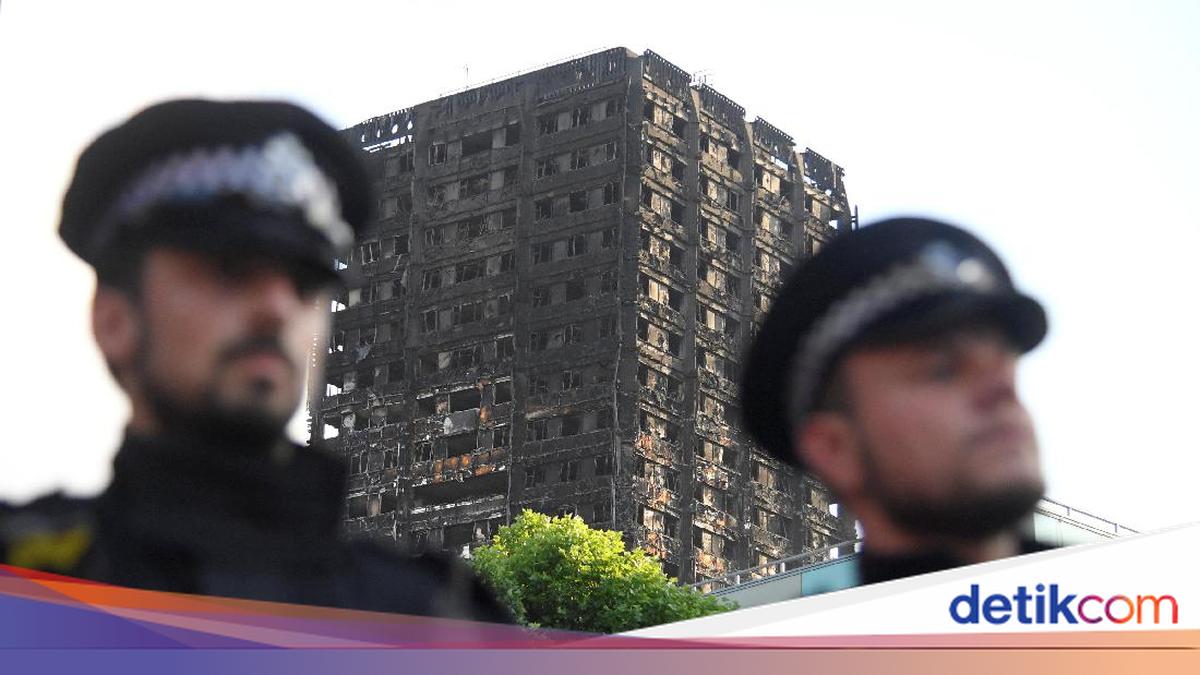
The fire that occurred at Grenfell Tower, North Kensington, West London, in 2017 remains one of the worst tragedies in British history. This devastating fire even triggered changes to the regulations regarding the construction of high-rise buildings in the country.
According to the official UK Government website, the incident took place on 14 June 2017. The fire first appeared in Flat 16, located on the fourth floor of Grenfell Tower. The blaze was triggered by a short circuit in a household appliance in the unit’s kitchen.
Shortly thereafter, the fire spread from inside Flat 16 to the exterior of the building. The use of cladding panels and flammable insulation on the building’s outer walls caused the fire to spread at an extremely high speed. The flames climbed upwards and spread across all sides of the structure.
Within just a few hours, the fire had consumed almost the entire high-rise apartment building. The fire also resulted in many fatalities; 72 people lost their lives in the disaster, 18 of whom were children.
Investigation Results
The investigation revealed the primary cause of the fire’s rapid expansion: the use of flammable materials. During renovations, contractors used Aluminium Composite Material (ACM) cladding panels with a polyethylene core (Reynobond 55 PE) and polymer-based insulation that was highly flammable.
It was also revealed that the architects initially intended to use zinc panels, which are far safer. However, the building management was reluctant to use them in order to reduce renovation costs. ACM panels were ultimately chosen because they were significantly cheaper.
This tragedy prompted the United Kingdom to undertake a massive overhaul of building construction regulations. Key changes include:
Contractors are now legally required to declare full responsibility for building safety.
The implementation of special licensing for main contractors.
The obligation to provide honest and transparent information regarding construction.
The implementation of a blacklisting system for non-transparent contractors.
This high-rise fire serves as a valuable lesson for the UK. Ultimately, a building is constructed not merely to pursue profit, but for the safety of its residents.