
This Asian Nation Faces Doctor Shortage Crisis, with 6 Job Vacancies Unfilled
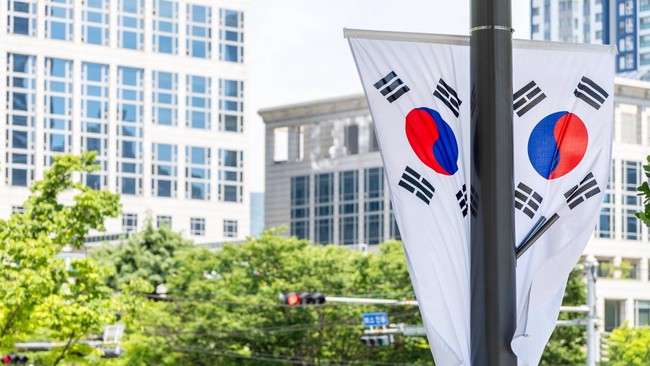
South Korea is facing a shortage of doctors within the public healthcare sector. Several community health centres in Seoul have had to repeatedly advertise doctor vacancies because they have failed to attract any applicants.
According to VN Express International, the Mapo District health centre is one such example. A contract doctor position was advertised six times between January and June, yet no qualified doctors applied. “There were no applicants, so we are preparing to advertise it again,” said a health centre official.
A similar situation is occurring at the Guro District Community Health Centre. The centre has reopened applications for an internal medicine specialist position on a two-year contract from 21–23 September. This opening marks the sixth attempt at recruitment after five previous efforts since February failed to secure a doctor. One of the two specialist positions remains vacant, forcing the remaining doctor to handle the workload of two people.
In the Jongno District, the shortage is also evident. The district only managed to recruit a doctor in August 2026, after nine separate recruitment attempts. Data shows that the number of doctors in Seoul’s community health centres, excluding directors, fell by 13.5%, from 156 in 2022 to 135 in 2025. This is despite Seoul having a relatively high number of doctors compared to other regions in South Korea. According to National Health Insurance Service data reported by Kyunghyang Shinmun, Seoul had 479 doctors per 100,000 insured residents in 2023, the highest in the country.
Salary as a Major Issue
A primary reason why doctor vacancies in public health centres remain unfilled is the salary level. Guro District offers approximately 83.6 million Korean won (around US$61,600) per year, which is roughly 120% of the minimum salary for a fifth-grade contract civil servant. If local governments wish to offer more than 120%, a special review by the local personnel committee is required, and they must also consider parity with other contract officials.
This amount is considered uncompetitive against the much higher salaries offered by private hospitals and clinics in Seoul. Consequently, doctors lack the incentive to accept positions in public health centres paying around 80 million won per year. In contrast, several rural areas lacking private clinics and public health doctors have begun offering much higher pay. Some regions have increased annual salaries to between 300–400 million won by combining central government subsidies for recruiting senior doctors with local budgets. For instance, Sinan County only managed to fill a position on 1 September after tripling the monthly salary offer to 33 million won.
In Seoul, some have proposed recruiting retired university hospital professors to fill these roles. However, this presents another problem, as those serving as health centre officials on fixed contracts would lose their entire civil service or private school pensions during their tenure. This doctor shortage directly impacts the workload of the remaining medical staff. “Even when our remaining doctors complain that they cannot take annual leave, there is nothing we can do,” said a health centre official. “We know it is difficult to recruit doctors with the current salary system, but we have no choice but to keep posting the same advertisements.”
Public health centres play a vital role, ranging from infectious disease prevention and health programmes for children, women, the elderly, and the disabled, to home visit services. Most users of these services are individuals aged 65 and above and basic livelihood beneficiaries. Lee Yong-kyun, an adjunct professor at the Yonsei University Graduate School of Public Health, stated that doctors in public health centres do not only handle vulnerable patients and those with chronic illnesses; they also manage administrative tasks, including infectious disease control and disaster response. “The demand for medical services is increasing rapidly while supply is insufficient, meaning the public sector, which is the weakest link, is the first to collapse,” he said.
Experts are now urging the central government to establish specific salary standards for doctors in public health centres and to expand incentives, such as length-of-service allowances. Such steps are deemed necessary to prevent districts from repeating the pattern of multiple failed recruitment attempts. Additionally, there are proposals for the government to recalculate the required number of doctors in each region for public health work and to allow local governments to share medical personnel according to need.
Source: jawawa.id (https://jawawa.id/newsitem/this-asian-nation-faces-doctor-shortage-crisis-with-6-job-vacancies-unfilled-1790513567)
Originally published by CNBC Indonesia (https://www.cnbcindonesia.com/news/20260927174030-4-771258/negara-asia-ini-dilanda-fenomena-krisis-dokter-6-loker-kosong-pelamar), translated from Indonesian