
These Are the 11 Largest Food Suppliers in the World, Including Indonesia!
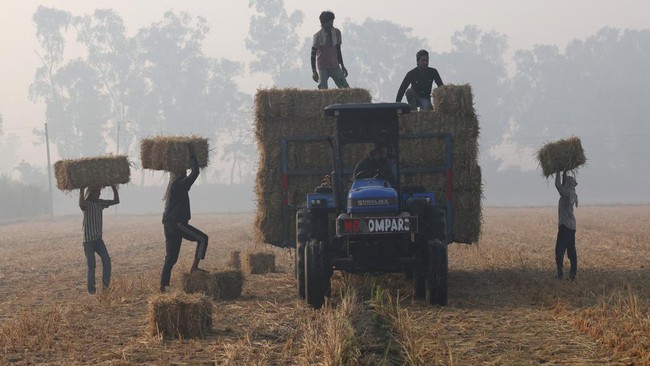
The global food structure is unbalanced. Only a few countries serve as the main suppliers worldwide, dominating the production and export of strategic commodities such as wheat, corn, and soybeans. This dependency makes the global food system prone to fragility. When a major producing country experiences disruptions, the effects do not stop domestically but immediately spread to global prices and supplies. Here are the countries that supply the most food in the world. 1. United States The United States is a major force in the global food system due to its scale of production, advanced technology, and highly developed distribution networks. This country dominates world exports of corn and soybeans, while also being a major player in beef, chicken, and dairy products. With agricultural export value of US$170 billion in 2025, the US is the world’s largest agricultural exporter, with main markets in Mexico, Canada, the European Union, and China. Efficient logistics infrastructure and agricultural policy support enable the US to maintain global supply stability, so many countries rely on food exports from here. 2. Brazil Brazil has developed into the world’s largest soybean exporter, with about 60% of the global market share and serving as the main supplier for livestock farming in China, the US, and the European Union. In addition, Brazil is also strong in exporting sugar, coffee, and other tropical agricultural products. The advantages of vast land and supportive climate make this country a primary supplier of food and animal feed worldwide, especially for Asian countries. 3. China China has a unique role as the world’s largest food producer and importer. With its agricultural output reaching US$1.65 trillion in 2025, China produces large quantities of various commodities such as rice, wheat, and vegetables. However, high domestic consumption means this country still relies on imports, particularly soybeans, which affects the global demand balance. 4. India India is the world’s largest rice exporter and plays a crucial role in maintaining food supplies for developing countries. Besides rice, India also has large production in the dairy, wheat, and spices sectors. India’s export policies often directly impact global prices, especially when the government restricts exports to maintain domestic stability. 5. Russia Russia has become the world’s number one wheat exporter in recent years. Large production and competitive prices make Russia the main supplier for countries in the Middle East and Africa. This position makes Russia highly strategic; any production disruptions or export policies can trigger global price volatility. 6. Ukraine Ukraine is known as the breadbasket due to its contributions to wheat, corn, and sunflower oil exports. Before geopolitical conflicts, Ukraine was one of the main suppliers to global markets. Disruptions in production or distribution from this country have proven capable of causing spikes in international food prices. 7. Canada Canada plays an important role as an exporter of high-quality wheat and canola (raw material for vegetable oil). In addition, Canada is also a major supplier of pulses such as lentils and peas. Modern farming systems and high quality standards make Canadian products highly sought after in global markets. 8. Australia Australia has a highly export-oriented agricultural model, with most of its production shipped abroad. This country is strong in wheat, beef, and sugar. Its proximity to Asian markets makes Australia a strategic supplier for developing countries in the region. 9. Indonesia Indonesia holds a vital role in the production of palm oil, which is one of the most widely used vegetable oils in the world. This product is a key ingredient in processed foods, cosmetics, and biofuels. Due to its dominance, Indonesia’s export policies have a significant influence on global vegetable oil prices. This country is also a major exporter of coffee, cocoa, seafood, spices, and tropical fruits, with main markets including China, India, and the US. This broad export base makes it a vital player in global supply chains. Climate change is the main risk, with Indonesia being more vulnerable to its adverse impacts than many other countries. 10. Netherlands The Netherlands demonstrates that a country’s size is not a determinant of food power. With advanced agricultural technology, high efficiency, and modern logistics systems, the Netherlands is one of the world’s largest agricultural product exporters. This country excels in horticultural products, dairy, and agricultural seeds. 11. Morocco Morocco is one of the world’s major exporters of fruits and vegetables, with main markets in Europe. Geographical proximity to the European Union and supportive climate enable Morocco to supply horticultural products consistently throughout the year. Beyond food, Morocco also holds a strategic position in the global agricultural supply chain through its vast phosphate reserves. Phosphate is a key ingredient in fertiliser production, making Morocco’s role crucial for global agricultural productivity.
Source: jawawa.id (https://jawawa.id/newsitem/these-are-the-11-largest-food-suppliers-in-the-world-including-indonesia-1777463589)
Originally published by CNBC Indonesia (https://www.cnbcindonesia.com/research/20260429160947-128-730992/ini-11-negara-pemasok-bahan-pangan-terbesar-di-dunia-ada-indonesia), translated from Indonesian