
These 14 Points in Iran's New Peace Proposal to the US: Will the War End Soon?
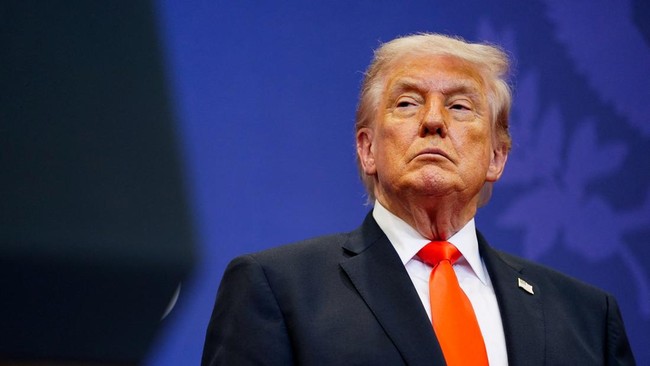
The United States is examining Iran’s latest peace proposal, which contains 14 points aimed at ending the protracted conflict in the region. However, the chasm of distrust between the two parties remains the primary barrier to achieving an agreement.
US President Donald Trump has stated that he is studying the proposal but is not confident that an agreement can be reached. “I’m reviewing the concept. But it’s not certain we can agree,” he told reporters in Florida, as quoted by Al Jazeera on Monday (4/5/2026).
The proposal was sent by Tehran through Pakistan in response to a previous nine-point peace plan supported by Washington. Unlike the US approach, which focuses on extending a two-month ceasefire, Iran is now pushing for a permanent resolution to the conflict within 30 days.
What are the full details of these 14 points? Here is a summary!
Based on reports from Iranian media, here are the main points proposed by Tehran:
Permanent end to the war within 30 days
Guarantees of no future attacks on Iran
Withdrawal of US troops from areas surrounding Iran
Lifting of all economic sanctions against Iran
Release of Iran’s frozen assets (worth billions of US dollars)
Payment of war reparations
Recognition of Iran’s right to enrich uranium in accordance with international agreements
Cessation of all hostilities in the region, including in Lebanon
Ending the blockade of Iranian ports
New mechanism for managing the Strait of Hormuz
Guarantees of freedom of navigation in that global energy route
Cessation of military operations and sabotage against Iran’s nuclear facilities
Halting of seizures and interceptions of ships by both parties
Establishment of a joint monitoring mechanism to maintain regional stability
Iran’s Deputy Foreign Minister Kazem Gharibabadi emphasised that the decision now lies with Washington. “Now the ball is in the United States’ court, whether to choose the path of diplomacy or confrontation,” he said.
Is Iran Starting to Soften?
Meanwhile, observers assess that Iran is beginning to soften its stance, although core differences remain sharp. Professor Paul Musgrave from Georgetown University noted indications of flexibility in this latest proposal.
“There appears to be some softening, particularly regarding the preconditions for the blockade in the Strait of Hormuz,” he said.
However, two crucial issues remain stumbling blocks. These are Iran’s nuclear programme and control over that strategic global energy route.
On the other hand, analyst Kenneth Katzman from the Soufan Center believes the biggest problem is trust. Iran does not truly trust Trump and the US.
“That is the main barrier to negotiations,” he said.