
The World’s Most Poisonous Birds Roam in Indonesia
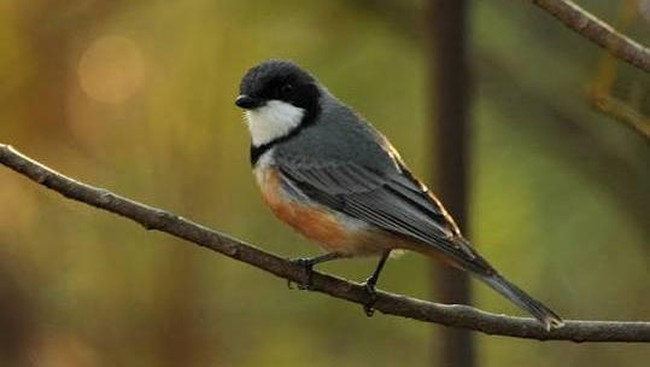
Jakarta, CNBC Indonesia — The world’s most poisonous bird has left researchers in tears. Kasun Bodawatta, a researcher at the University of Copenhagen, described his experience collecting samples from a Pitohui bird.
He said his eyes began watering after he was exposed to the toxin, leading local residents to mistake his reaction for sadness. “People thought I was sad and distressed during the expedition because they saw me crying. My nose was also running,” Bodawatta said, as quoted by IFLScience on Friday (2 October 2026).
“But I was just sitting there taking samples from a Pitohui, the most poisonous bird on the planet,” he added.
Pitohuis are found in Papua’s forests and are also known as regent whistlers (Pachycephala schlegelii). Rufous-naped bellbirds (Aleadryas rufinucha) found in the region have also been found to contain toxins.
Both species carry batrachotoxin, a highly dangerous neurotoxin. Neurotoxins can cause people’s eyes to water, much like the effect of chopping onions.
Researchers say the batrachotoxin found in the two Papua bird species comes from food they eat in the forest. The birds themselves are not affected, but people who come into contact with parts of their bodies may be.
The birds do not become ill or die after eating the toxin. It enters their feathers and remains there, but consuming it can be fatal to humans.
Local residents say that eating the meat of either species, or even simply touching the birds, can make the body feel as though it is burning.
The toxin may therefore act as a defence against predators. People encountering Pitohuis or rufous-naped bellbirds in Papua should take care.
Source: jawawa.id (https://jawawa.id/newsitem/the-worlds-most-poisonous-birds-roam-in-indonesia-1791463866)
Originally published by CNBC Indonesia (https://www.cnbcindonesia.com/tech/20261008134144-37-774410/burung-paling-beracun-di-dunia-berkeliaran-di-indonesia), translated from Indonesian