
The World Must Prepare: El Niño Storm Set to Trigger New Energy Crisis
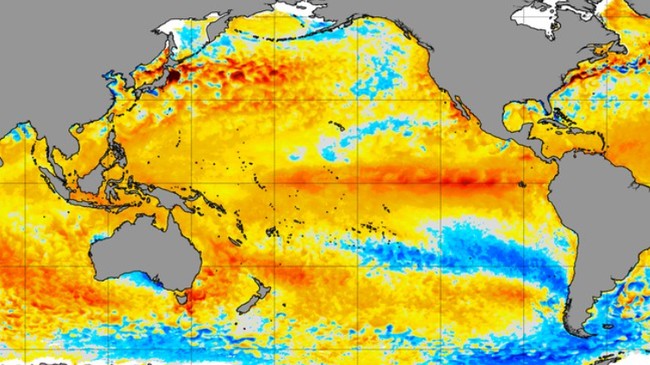
The global oil and gas shipping routes remain shaken following the closure of the Strait of Hormuz and damage to energy infrastructure in the Middle East. Just as markets have yet to stabilise, another threat emerges from the skies. El Niño is poised to intensify starting next month. If this weather pattern materialises, pressure on global electricity, coal, and gas prices could mount simultaneously. Reuters reports that most major meteorological agencies now forecast a strong El Niño phase forming in May. The World Meteorological Organisation (WMO) states that current climate models are aligning and provide high confidence that El Niño will emerge and strengthen in the coming months. Sea surface temperatures in the Pacific have even surpassed 21 degrees Celsius, one of the highest levels since recordings began in the 1980s. For energy markets, El Niño has a track record of driving heatwaves in Asia, disrupting rainfall, and suppressing the monsoon season. As temperatures rise, electricity consumption surges due to air conditioners operating longer. Asia is the most critical hotspot, absorbing around 53% of global electricity needs, according to energy think tank Ember. The issue is that Asia’s power generation is still heavily reliant on coal. Reuters notes that coal-fired plants supply about 70% of electricity in India and 55% in China. Regionally, the proportion remains dominant. Thus, when temperatures climb and air conditioning use explodes, coal demand is likely to rise accordingly. As the world’s largest coal exporter, Indonesia could benefit from heightened demand from Asia. Throughout 2026, Indonesia’s coal exports to Asian countries fell by about 7% compared to the same period last year. The cause was a combination of rising clean energy adoption and weak industrial consumption, such as in cement. However, if El Niño brings a prolonged hot season, that trend could quickly reverse. Liquefied natural gas (LNG) could also see increased demand. Yet current prices are far more expensive than coal. Reuters reports that Asian LNG has surged from around US$550 per metric tonne before the Iran conflict to about US$868 per tonne. By comparison, Indonesia’s benchmark coal export price is around US$104 per tonne, while Australian coal is about US$126 per tonne. With such a wide gap, many Asian power plants are expected to stick with coal for cost efficiency. Europe faces a different story. Countries like Spain and Italy often experience heatwaves during El Niño. If temperatures soar, LNG imports could rise to maintain electricity supply. Italy is in the spotlight, as nearly half its electricity still comes from gas. North America, conversely, could be cooler than normal. If so, summer electricity consumption might be lower, leaving more gas available for export. Latin America and Africa must also stay vigilant, as El Niño frequently disrupts rainfall and curbs hydroelectric production, forcing those countries to seek alternative electricity sources.