
The Virtues of Arafah Fasting: Reasons and Observance for Muslims in Indonesia
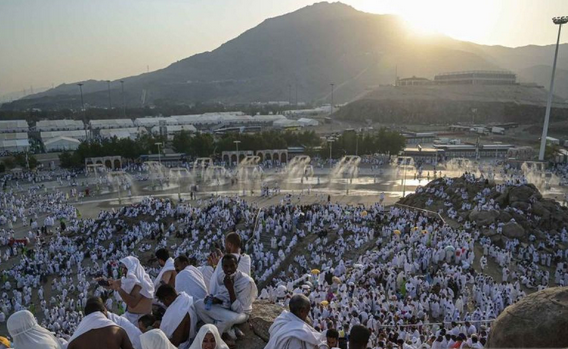
The fast of Arafah is one of the most highly recommended (sunna mu’akkadah) acts of worship for Muslims not performing Hajj. It is observed on the 9th of Dhu al-Hijjah, coinciding with the day pilgrims stand in prayer at Arafat Plain.
Among Indonesian Muslims, this fast is a highly anticipated annual spiritual event. But what are the key reasons behind its strong recommendation and how is it practised in the country?
There are fundamental reasons why Muslims are strongly encouraged to observe the Arafah fast, both theologically and in terms of its virtues:
The primary motivation is the promise of forgiveness. According to a hadith narrated by Imam Muslim, the Prophet Muhammad (SAW) stated that fasting on Arafah expiates the sins of the previous year and the coming year. This represents a significant spiritual investment for a single day’s worship.
Arafah Day is known as the day when Allah most liberates His servants from Hellfire. By fasting, Muslims remain pure and mindful, increasing the likelihood of their prayers being answered.
Even without being in the holy land, those fasting on Arafah feel the spiritual resonance of the pilgrims’ rituals. As Hajj pilgrims stand in prayer at Arafat with humility, Muslims at home abstain from food and drink as a symbol of global Muslim unity.
Yes, the majority of Indonesian Muslims observe the Arafah fast. This act of worship has become a deeply ingrained religious tradition across all societal layers, from urban to rural areas.
The Arafah fast is a golden opportunity for Muslims to seek widespread forgiveness and self-improvement. For Indonesian Muslims, it is more than just abstaining from food; it symbolises obedience and solidarity with Hajj pilgrims worldwide. Despite occasional differences in determining the exact date, the essence remains the same: drawing closer to the Creator on the most sacred day.