
The Virtues of Arafah Fasting: Cleansing Two Years of Sin for Muslims Not Performing Hajj
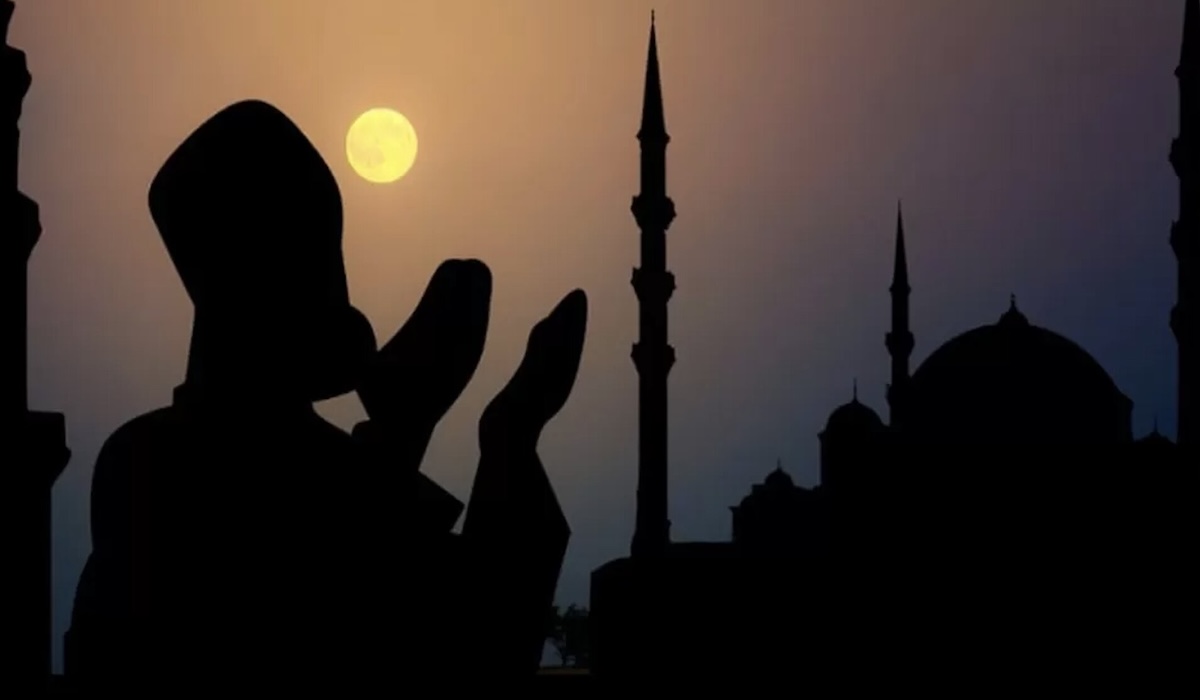
Millions of Muslims worldwide converge on a single location simultaneously.
Arafah fasting is one of the most anticipated voluntary acts of worship for Muslims worldwide, particularly those not performing Hajj. Observed on the 9th of Dhu al-Hijjah, this ritual holds deep spiritual significance as a form of inner solidarity with pilgrims performing wuquf at Arafat.
A key virtue of Arafah fasting is the promise of sin forgiveness. According to Islamic tradition, this single day of fasting is believed to expiate minor sins for two years—covering the past and coming year.
This presents a prime opportunity for Muslims to spiritually cleanse themselves.
The essence of this sin forgiveness is not merely mechanical ritual but a call for deep reflection on past mistakes and a commitment to self-improvement. For those not physically present at the holy sites, Arafah fasting serves as a spiritual bridge to experience the sanctity of wuquf.
Even when not physically at Arafat, fasting Muslims are encouraged to embrace the meaning of submission and servitude. Following are key spiritual aspects of Arafah fasting: Editor’s Note: Arafah fasting is highly recommended (sunah muakkad) for Muslims not performing Hajj. It coincides with the wuquf timing of Hajj pilgrims at Arafat according to local calendars or religious authorities’ decrees.
Arafah fasting also serves as spiritual preparation for Eid al-Adha. A purified soul after fasting allows for a more sincere appreciation of the sacrifice central to Eid al-Adha.
This worship affirms that closeness to the Creator can be achieved through obedience, even when geographically distant from the Kaaba and Arafat.
Understanding the significance of this fast, Arafah fasting transcends mere abstinence from food and drink—it is a brief yet profoundly meaningful spiritual journey to attain divine pleasure and forgiveness. (Z-10)
The Hajj peak at Arafat, Muzdalifah, and Mina in 2024 concluded smoothly and successfully.
Indonesian Hajj pilgrims prayed for Palestinian independence during the wuquf ceremony at Arafat on Saturday, 9 Dhu al-Hijjah (15 June).
As the Hajj peak approached, some Indonesian pilgrims were receiving treatment at the Indonesian Hajj Health Office (KKHI) clinic in Mecca.
Director of Foreign Hajj Services at the Ministry of Religious Affairs, Subhan Cholid, stated the government does not facilitate Hajj pilgrims performing tarwiyah.
Indonesian Hajj pilgrims have begun arriving in Makkah Al-Mukarramah, having stayed in Madinah for approximately nine days.
Source: jawawa.id (https://jawawa.id/newsitem/the-virtues-of-arafah-fasting-cleansing-two-years-of-sin-for-muslims-not-performing-hajj-1780161083)
Originally published by Media Indonesia (https://mediaindonesia.com/humaniora/893592/keutamaan-puasa-arafah-menghapus-dosa-2-tahun-bagi-non-jamaah-haji), translated from Indonesian