
The Urgency of the Bengkulu Industrial Estate
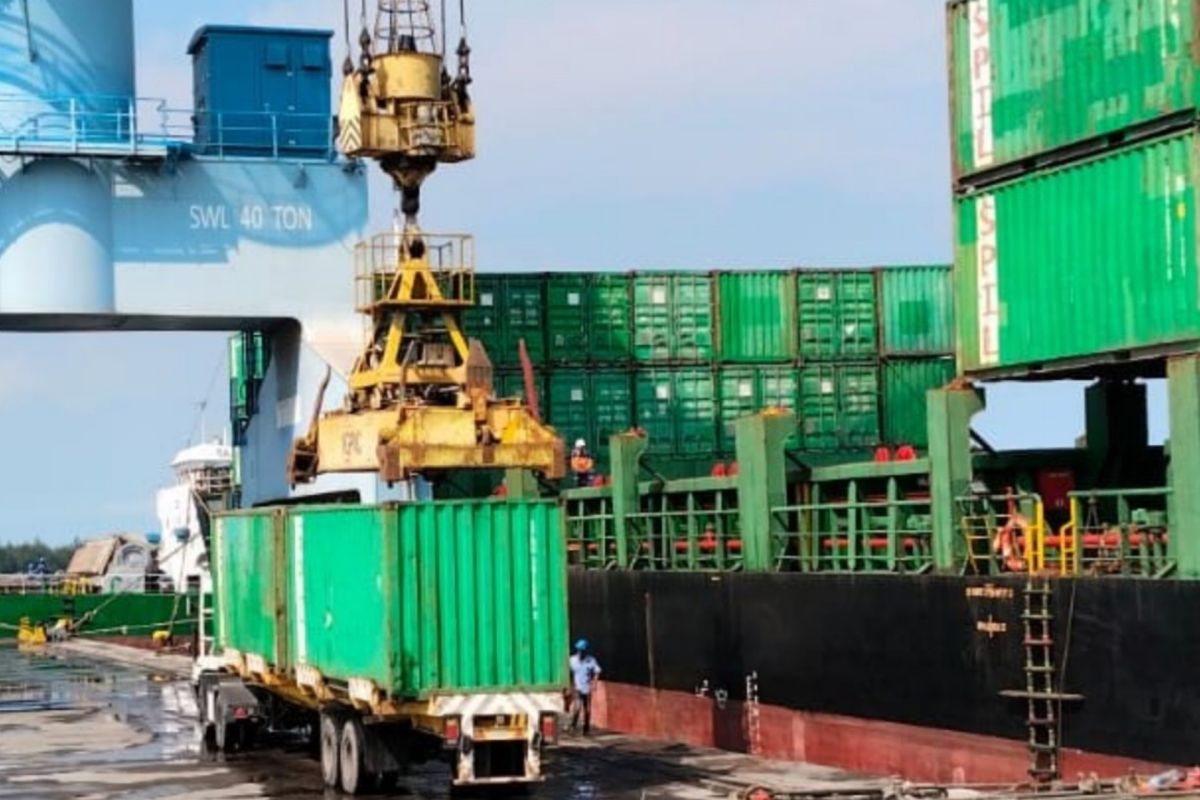
Bengkulu is currently establishing a new foundation for its economy through the planned development of the Bengkulu Industrial Estate (KIB).
The local government is working towards completing the revision of the Bengkulu City Regional Spatial Plan (RTRW), which serves as a necessary legal basis before the industrial estate can be constructed.
This plan warrants further examination, as the presence of the KIB is not merely about physical construction. Its existence could serve as an instrument to transform how the region builds and develops its economy.
To date, Bengkula has relied on agriculture and plantations as the backbone of its regional economy. Agricultural activities in the region still largely follow traditional patterns and have yet to embrace modern farming techniques. Consequently, the added value generated has not yet provided an optimal impact on the local community and the regional economy.
While the region, known as ‘Bumi Merah Putih’, depends on the agricultural sector, this does not mean the sector must remain the sole foundation, nor should it be abandoned when the industrial estate arrives.
The agricultural and plantation sectors will remain primary pillars. In fact, they will serve as the source of raw materials for industrial activities as they move towards longer production chains through downstreaming.
When a region relies too heavily on a single economic sector, the direct impact is felt by the community whenever disruptions occur.
Therefore, Bengkulu requires a diversification of economic growth sources without abandoning its existing strengths. The region simply needs to add new growth bases, such as commodity processing and industrial activities.
The choice of an industrial estate as a new source of economic growth is worth noting. This sector can play a role in production, raw material provision, downstream industrial chains, and the processing and distribution of products, all integrated within a single interconnected ecosystem.
As a result, the industrial estate can act as a catalyst for various other economic sectors. This is because industrial activities require transport, warehousing, housing, food and beverages, hospitality, trade, services, and various other necessities. The presence of industrial zones and activities creates space for other businesses outside the estate to grow.
SMEs also have the opportunity to enter these supply chains, both through the provision of goods and services. Industrial activity stimulates new demand in the SME sector, with a potential scale much larger than the growth seen prior to the formation of the industrial estate.
Such a chain reaction is vital for the region, especially for Bengkulu, which has a relatively small population. The existence of industrial activities can create jobs, increase economic activity, and expand markets for various types of businesses.