
The Urgency of Reducing Oil and Gas Methane Emissions in Indonesia
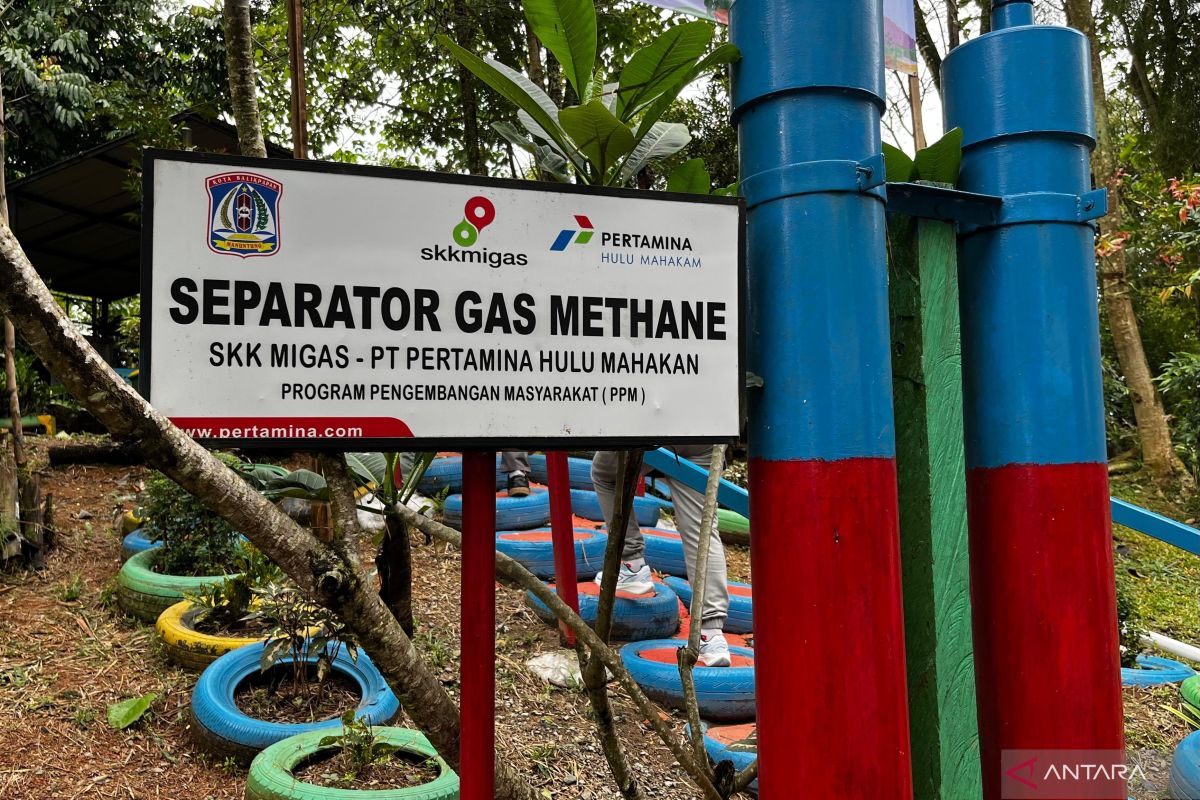
There is one type of loss in Indonesia’s oil and gas industry that is not visible from afar: methane leaks. Methane escapes from ageing oil and gas wells and infrastructure leaks. Over a 20-year period, methane warms the atmosphere approximately 84 times more powerfully than carbon dioxide.
The figures concerning methane are also quite noteworthy. The MAESTRO Dashboard from the ASEAN Centre for Energy places Indonesia at the top in Southeast Asia for oil and gas sector methane emissions, accounting for roughly half of the region’s total oil and gas methane emissions. A 2024 Stanford University study in the United States found that methane emissions from oil and gas facilities were, on average, three times higher than official government figures, a pattern of underreporting commonly found across countries.
Globally, the International Energy Agency estimates that energy sector methane emissions are about 80 percent higher than those reported by governments to the UNFCCC. An independent study by the think tank EMBER found a similar pattern in the coal sector, with estimates up to eight times larger. If the data forming the basis of policy cannot be accounted for, how can we evaluate the results?
Equally important is the fact that, to this day, Indonesia does not yet have a specific regulation on methane. What currently exists is Minister of Energy and Mineral Resources Regulation No. 17/2021 concerning flare gas management, a regulation that focuses on flaring, not on the entire methane emission cycle. Furthermore, Indonesia has signed the Global Methane Pledge at the country level, whilst Pertamina has joined the Oil and Gas Methane Partnership 2.0 at the corporate level.
However, all these collective commitments remain voluntary. Compare this with other nations that have moved earlier. Vietnam has issued an Action Plan for Methane Emissions Reduction with clear sectoral targets for oil and gas, coal, agriculture, and waste. The European Union, through Regulation 2024/1787, governs the gas supply chain from upstream to the import side, mandating routine Leak Detection and Repair, verified annual reporting, a ban on routine flaring and venting, and financial sanctions for non-compliance. Canada, through regulation SOR/2018-66 which targeted a 40-45 percent reduction in methane by 2025, is now tightening the target to 75 percent by 2030 through amendments, accompanied by enforcement mechanisms and administrative sanctions. All three have moved from voluntary commitments to binding, science-based frameworks.
Source: jawawa.id (https://jawawa.id/newsitem/the-urgency-of-reducing-oil-and-gas-methane-emissions-in-indonesia-1786258360)
Originally published by Antara (Indonesian) (https://www.antaranews.com/berita/5686412/ruang-urgensi-pengurangan-metana-minyak-dan-gas-di-indonesia), translated from Indonesian