
The Transformation of Sanur: From Fishing Village to Tourist Destination
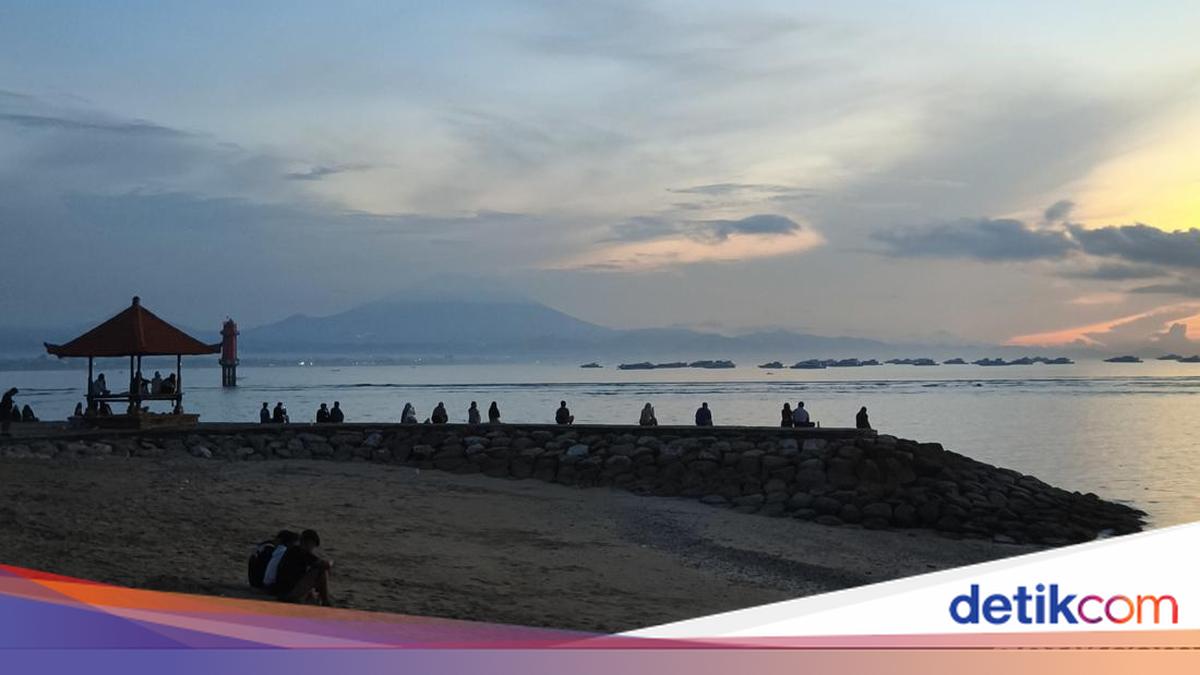
Sanur is not always synonymous with the hotels, restaurants, resorts, and rows of accommodation that now line its coastline. Long before its current tourism-centric face, this area was a living space for a community that relied on the sea and the land for their livelihoods.
This change arrived gradually. As tourism grew and new buildings emerged, parts of Sanur’s old identity began to shift. However, amidst the surge of development, several aspects of old Sanur still endure.
Ade Angga Bhargawa, a history enthusiast and founder of the Sanur Archive, views this transformation as part of Sanur’s long journey. “Sanur itself became a tourism site around the 1970s and 80s, and changes are still occurring even now. Fortunately, the local community is still able to strive to maintain what we have despite the onslaught of civilisation,” he said on Saturday (26/9/2026).
When the Bali Beach Hotel was Established
A significant turning point in Sanur’s transformation occurred with the construction of the Bali Beach Hotel on Jalan Hang Tuah. Inaugurated during the era of President Sukarno in 1966, the hotel served as a milestone for the development of modern tourism in Sanlar.
“The Bali Beach Hotel was essentially the starting point for tourism. It remains the only building of its height in Bali to this day, as it was built in the 1960s and inaugurated in 1966. It was the only relatively large hotel at that time,” Angga explained.
The construction of the hotel was closely linked to the role of President Sukarno. At the time, Sukarno is said to have successfully negotiated with Japan to obtain war reparations funds, as well as receiving assistance from the Soviet Union for the hotel’s construction.
As to why Sanur was chosen as the location, Angga is not entirely certain. However, he suspects the proximity of Sanur to several sites significant to Sukarno was a key consideration. “Perhaps, firstly, because he had the Tampaksiring Palace. Tampaksiring and Sanur, Gianyar and Sanur, are not far apart when passing through. Secondly, he also liked visiting the house of the Sanur painter, Le Mayeur. He visited Sanur several times,” he added.
From that point, Sanur’s face gradually changed. Following the establishment of the Bali Beach Hotel, tourism development expanded further. Hotels, resorts, and restaurants began to emerge in Sanur and other parts of Bali in the early 1970s.
From Fishermen and Farmers
Before the arrival of tourist accommodation, Sanur was a region inhabited largely by fishing and farming communities. The sea and the land were integral to the daily lives of its people. “Sanur was actually a fishing area. There were groups of fishermen, farmers, and various other livelihoods,” he stated.
The growth of tourism eventually transformed the community’s way of life. It was not just livelihoods that changed; Sanur’s environment also underwent a transformation.
Nevertheless, these changes have not entirely erased the character of the Sanur community. To this day, certain elements of the social structure remain resilient amidst tourism development. One such element is the existence of the ‘banjar’ (traditional community units) in Sanur. The locations of the banjars have remained unchanged, as has the social structure within each banjar.
“The positions of all Banjars in Sanur have coincidentally not changed, and the residents are still the original members of those Banjars. The population has not decreased due to transmigration or similar factors; rather, it has increased due to a healthy birth rate,” he continued.
The Disappearing Coconut Trees
Sanur’s transformation is also visible in the vegetation that was once common along the coast. Coconut trees, for instance, were abundant in the Sanur area during the late 1970s and 1980s. However, by the early 2000s, their numbers began to dwindle, with development becoming more massive between 2005 and 2010.
It was not just coconut trees; other vegetation, such as sea pine and sea pandanus, also began to decline. “The loss of vegetation, including many coconut trees along the beach, is due to the changes brought by tourism itself. It is because of new hotels, the increase in accommodation, and the proliferation of restaurants,” Angga noted.
Sanur continues to move forward. From a region where life was closely tied to the sea and agriculture, it has evolved into one of Bali’s premier tourist destinations. Amidst this change, parts of old Sanur are still being preserved. The banjars remain a part of community life, while the memory of Sanur as a village of fishermen and farmers remains part of the area’s history.
However, change is difficult to avoid when a region continues to develop. “Indeed, change exists. It cannot be avoided. Whether we like it or not, it must happen. That is my view,” he concluded.
Source: jawawa.id (https://jawawa.id/newsitem/the-transformation-of-sanur-from-fishing-village-to-tourist-destination-1790420058)
Originally published by detikBali (https://www.detik.com/bali/wisata/d-8680356/sanur-yang-berubah-dari-kampung-nelayan-hingga-destinasi-wisata), translated from Indonesian