
The Trail of the Rupiah in Pasar Baru: Ancient Currency Traders Become an Informal History Museum
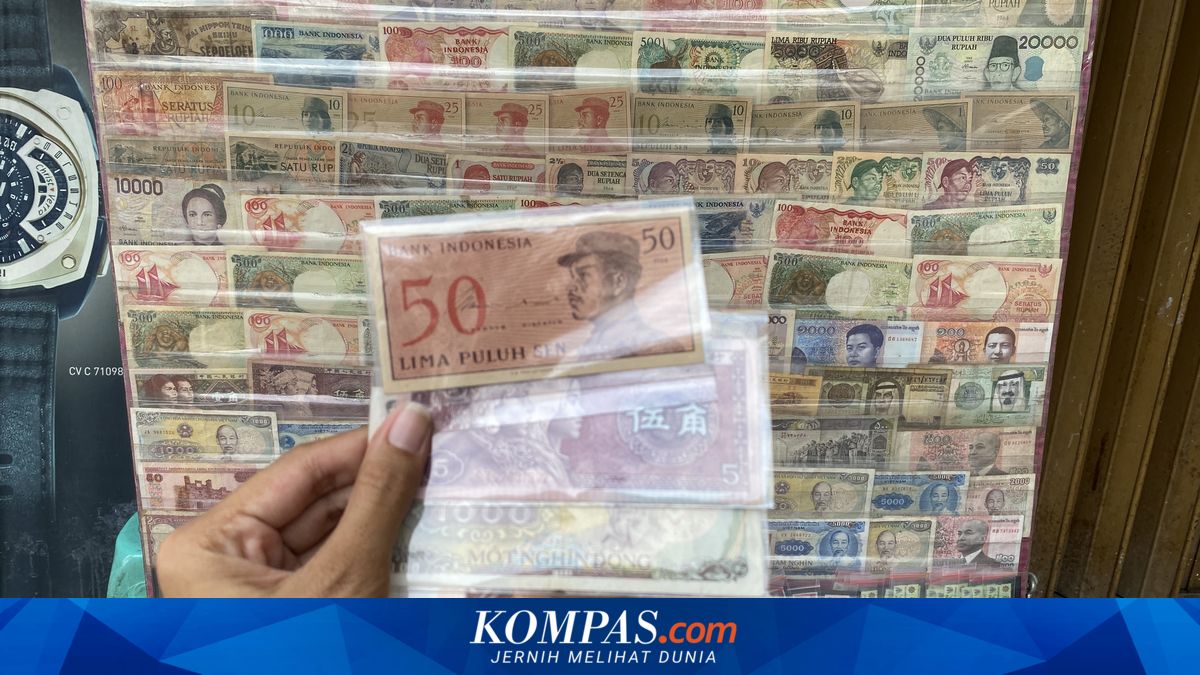
Amid the rows of faded old shophouses and narrow alleys in the Pasar Baru area of Central Jakarta, Indonesia’s history is preserved in an unusual form. There are worn-out banknotes, tarnished metal coins, and rupiah denominations that have been out of circulation for decades. In the midst of the busy flow of pedestrians seeking clothing, textiles, and household items, a simple stall laid out on a wooden table appears filled with old money from various eras. There sits Baharu (60), tending to his stall. Occasionally, he tidies up the scattered currency, then serves visitors who stop by just to look or ask about the prices of the collections. Piles of ancient coins fill clear plastic containers at the front of the table. Some appear tarnished by age, while others still clearly show the nominal values and national symbols. On the other side, foreign currencies from Vietnam, China, to Cambodia are arranged separately in small plastic packets. The atmosphere makes Baharu’s stall more akin to a small museum than an ordinary trading spot. The album already looks worn at the corners. However, its pages are full of images of old money, years of issue, and lists of emissions from various periods. Occasionally, he opens a particular page to show an old denomination to potential buyers. “This is from 1940,” he says while pointing to one image of old money in the catalogue. Baharu claims to have been trading in Pasar Baru since 1984. However, for ancient currency specifically, he has been focusing on it for about the last 15 years. Initially, his interest arose from his fondness for history. “Actually, at first I just liked it. I like history,” he says. Many of them are rediscovered after being stored for years in household cabinets. “People who sell usually come from deceased elderly relatives, with money stored in cabinets,” he states. At his stall, the ancient currency is not just treated as merchandise. Each note holds a story from the time when that money was used by Indonesian society. There are denominations from the Old Order era, Dutch colonial legacies, to 1998 issues that are now being sought by young collectors. He says the price of ancient currency is determined by physical condition, rarity, and year of issue. Some old money is sold starting from Rp5,000 up to tens of millions of rupiah. “Paper ones go for Rp25 million, Rp50 million,” he says. However, most of the collections displayed at his stall are sold at relatively affordable prices so that the general public can buy them. “This one is Rp5,000, this one Rp15,000,” he says while pointing to several old notes.