
The Tragic Fate of the President's Trusted Minister of the Republic of Indonesia, Imprisoned for 10 Years — 'Missing'
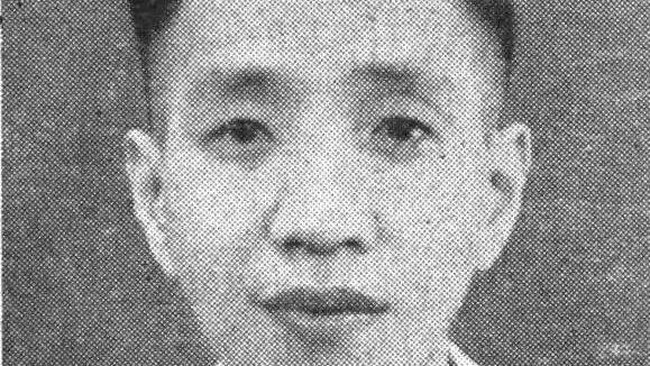
The tragic fate of Oei Tjoe Tat, one of Indonesia’s most steadfast loyalists and a trusted adviser to the country’s first president, Soekarno, illustrates how proximity to power can turn against you in volatile times. Before becoming a minister, Oei trained as a lawyer and earned a Meester in de Rechten in 1948, a Dutch law degree, and chose to stay in Indonesia to serve the newly independent nation.
In 1963, Soekarno asked him to become a State Minister to assist the government. Oei initially refused, saying he had no political ambitions. That refusal angered Bung Karno, who declared, “I am the one who determines when the Nation, the State, and the Revolution require you, not you yourself.” This statement, cited from the memoir Oei Tjoe Tat: Pembantu Presiden Soekarno (2018), underscored his standing as a close confidant who would take on special duties in social and diplomatic fields.
In 1964 he even led a secret mission as a spy to help end the war against Malaysia, a task that highlighted the trust placed in him during the early years of the Republic. However, the national political tremors following the 30 September 1965 movement marked a turning point in his fate.
According to historian Ricklefs in Sejarah Indonesia Modern (1999), the events destabilised Soekarno’s grip on power and set in motion major changes following the issuance of the Supersemar on 11 March 1966. Through that mandate, Soeharto gained the authority to restore security and order. As part of sweeping measures, several ministers deemed to be left-leaning and accused of involvement in the 30 September Movement were arrested.
Oei was among the victims. On 18 March 1966, he was arrested by the Army’s Military Police along with 14 other ministers. The arrest occurred amid a wave of intimidation that had already haunted him since the 30 September incident. It is known that after the events of 30 September, he often received anonymous calls, graffiti on walls, threat letters, and various other forms of intimidation.
Such treatment continued while he remained in office and carried out special tasks in the aftermath of the movement. In Salim Said’s account in Dari Gestapu ke Reformasi (2013), Oei was given a final assignment by Soekarno to investigate generals who remained loyal to the president.
Yet political change changed his course. Although accused of links with leftist groups and the 30 September Movement, those allegations were never supported by strong legal evidence. Even Oei’s defenders believed the charges were driven more by political considerations than by legal grounds.
However, that defence was ignored. Oei was tried on 9 February 1976 and a few weeks later sentenced to 13 years in prison. He was accused of collaborating with the PKI and having close ties with several PKI figures. Oei refused to accept the charges and described the trial as a rigged proceeding.
After almost ten years behind bars, he was finally released on 30 December 1977. Yet his name seems to have been forgotten by history.