
The Track Record of Hercules: From Jakarta's Preman Kingpin in the 1980s-1990s to New Labour Union Post
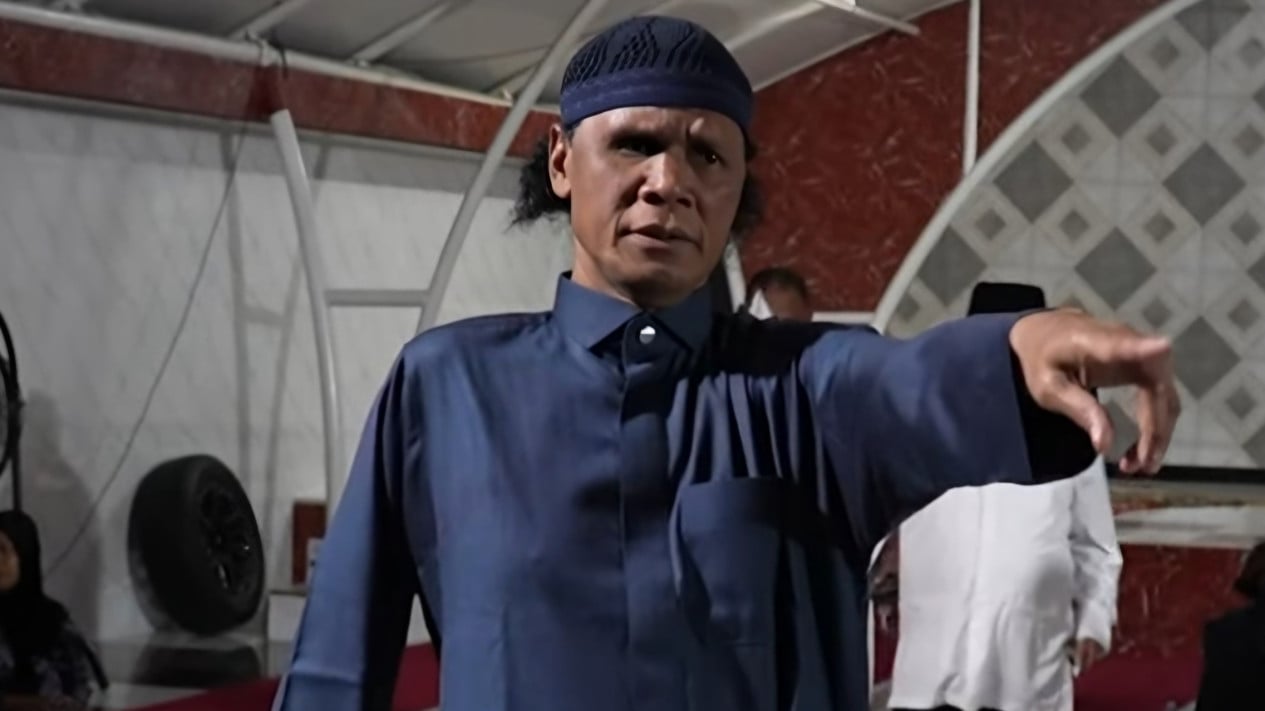
Hercules has returned to the public spotlight after being officially installed as a member of the Honorary Council of the National Indonesian Workers’ Union (SBNI) during the organisation’s second national congress and working meeting on Sunday, 12 July 2026. The chairman of the United People’s Movement of Jaya (GRIB Jaya) has now added another strategic position to the list of roles he has taken on in recent years. Long before he was known as the head of a community organisation and an active supporter of President Prabowo Subianto’s administration, the name Hercules was synonymous with the preman underworld of Jakarta. During the 1980s and 1990s, he was known as one of the most influential figures in the Tanah Abang area of Central Jakarta. The following traces the journey of Hercules from his past to becoming a figure who frequently captures public attention. Born Rozario de Marshall in Ainaro, East Timor, on 27 May 1968, his childhood was marked by tragedy. At around 12 years of age, he lost a hand in an attack on Ainaro in 1978, an incident that also claimed the lives of both his parents. Following the tragedy, Hercules was recruited by Zacky Anwar Makarim as an Operational Support Worker (TBO) and was subsequently brought to Jakarta along with several other young men from East Timor. Before becoming an influential figure in Jakarta, Hercules worked as a porter for the Indonesian Army during the integration period of East Timor. This experience helped him build an extensive network. After settling in Jakarta, he began to form his own group in the Tanah Abang area, which eventually grew into one of the most respected and feared groups of its time. Hercules’ name rose to prominence during the 1980s and 1990s, a period when Tanah Abang was known as a bustling economic centre as well as a territory rife with gangster groups. He was considered one of the most influential figures in Jakarta’s underworld, leading a group that held significant sway over various activities in the area, making his name synonymous with the capital’s preman culture.