
The Threat Behind Plans for Millions of Space Data Centres Without Environmental Review
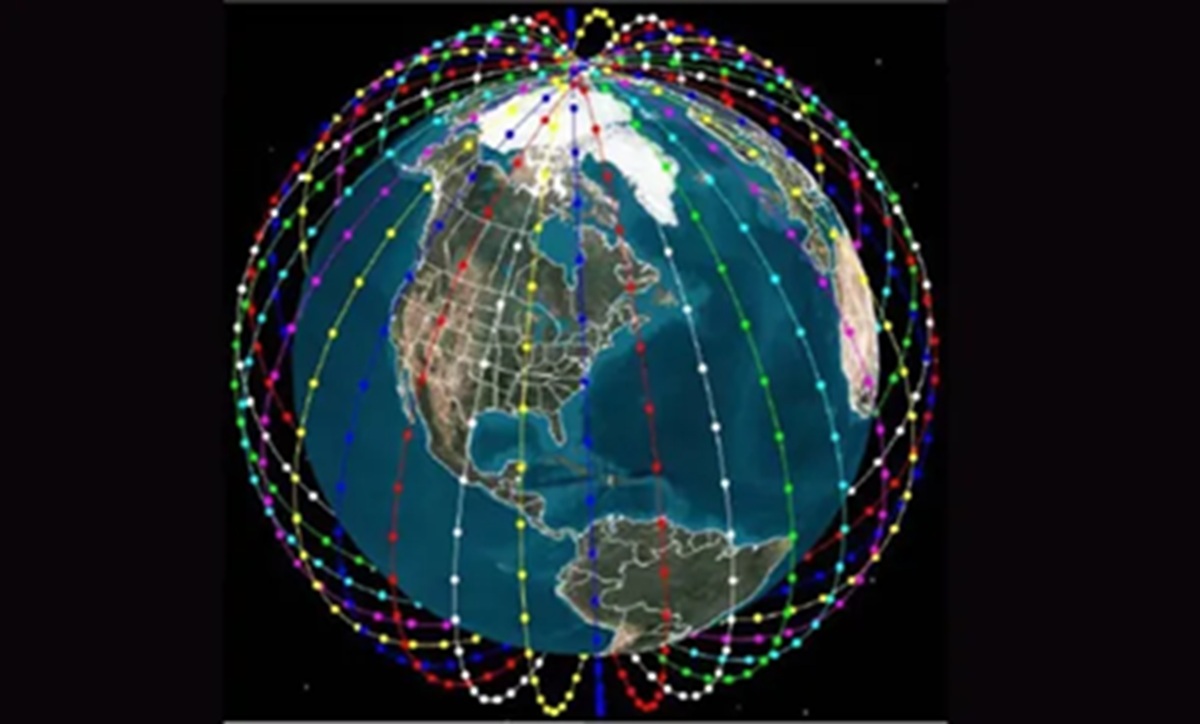
Ambitious plans by several technology companies to move data centres into outer space have sparked a wave of protests from the scientific community and environmentalists. A coalition of environmental organisations represented by the non-profit law firm Earthjustice is urging the US Federal Communications Commission (FCC) to conduct a thorough environmental review before granting any launch licences.
In recent months, the FCC has received a surge in licence applications for data centre satellites in low Earth orbit (LEO). The move is led by a massive proposal from SpaceX, which has applied for permission to launch up to one million satellites. Ironically, the FCC has so far approved these applications without requiring an environmental impact analysis, either for individual satellites or for their cumulative effects on the planet.
Tim Whitehouse, Executive Director of Public Employees for Environmental Responsibility, sharply criticised this policy. He argued that this laissez-faire approach contradicts the principles of global safety.
“Allowing one million data centres to orbit without an environmental review is not only irresponsible, it is reckless. The potential for these projects to damage the atmosphere with pollution and debris, and to harm wildlife, must be carefully considered before licensing these projects,” Whitehouse said in an official statement.
For comparison, there are currently only about 15,000 active satellites and 46,000 tracked objects circling the Earth. This number was already projected to soar to 58,000 active satellites due to SpaceX’s Starlink broadband mega-constellation. However, the advent of these space-based data centre projects is predicted to cause the population of man-made objects in orbit to explode uncontrollably.
Experts warn of dire systemic impacts from the overcrowding of the orbital technology ecosystem. Jan Hasselman, a senior attorney at Earthjustice, stressed that the law requires regulators to act firmly.
“The dramatic increase of satellites in space has a direct impact on people’s daily lives and the future of our planet. The agencies authorising companies that are eyeing space as the new frontier must still operate within the bounds of the law. The law requires the FCC to consider all the risks and impacts of these proposals. If we have to sue them to comply, we will,” Hasselman asserted.
The coalition’s main concerns focus on the potential for satellite collisions, which would generate millions of new pieces of space debris. Furthermore, greenhouse gas emissions from launch rockets and the release of heavy metals when defunct satellites burn up in the atmosphere also threaten the Earth’s air ecosystem.
Another impact is extreme light pollution, which will permanently alter the face of the night sky. This phenomenon not only disrupts astronomical observation but also wreaks havoc on the natural rhythms of wildlife. Light pollution can disrupt migration patterns and the feeding schedules of nocturnal predators such as bats and mountain lions, ultimately threatening the food chain.
Ruskin Hartley, Executive Director of DarkSky International, stressed the importance of preserving the natural night sky.
“These projects could permanently change the night sky as we know it. The FCC needs to take seriously its obligation to ensure these projects do not cause unnecessary harm to the naturally dark sky, or to our environment as a whole,” Hartley concluded.
Source: jawawa.id (https://jawawa.id/newsitem/the-threat-behind-plans-for-millions-of-space-data-centres-without-environmental-review-1783659037)
Originally published by Media Indonesia (https://mediaindonesia.com/teknologi/909460/ancaman-di-balik-rencana-jutaan-pusat-data-luar-angkasa-tanpa-tinjauan-lingkungan), translated from Indonesian