
The Terrifying Storm That Once Devastated a Superpower
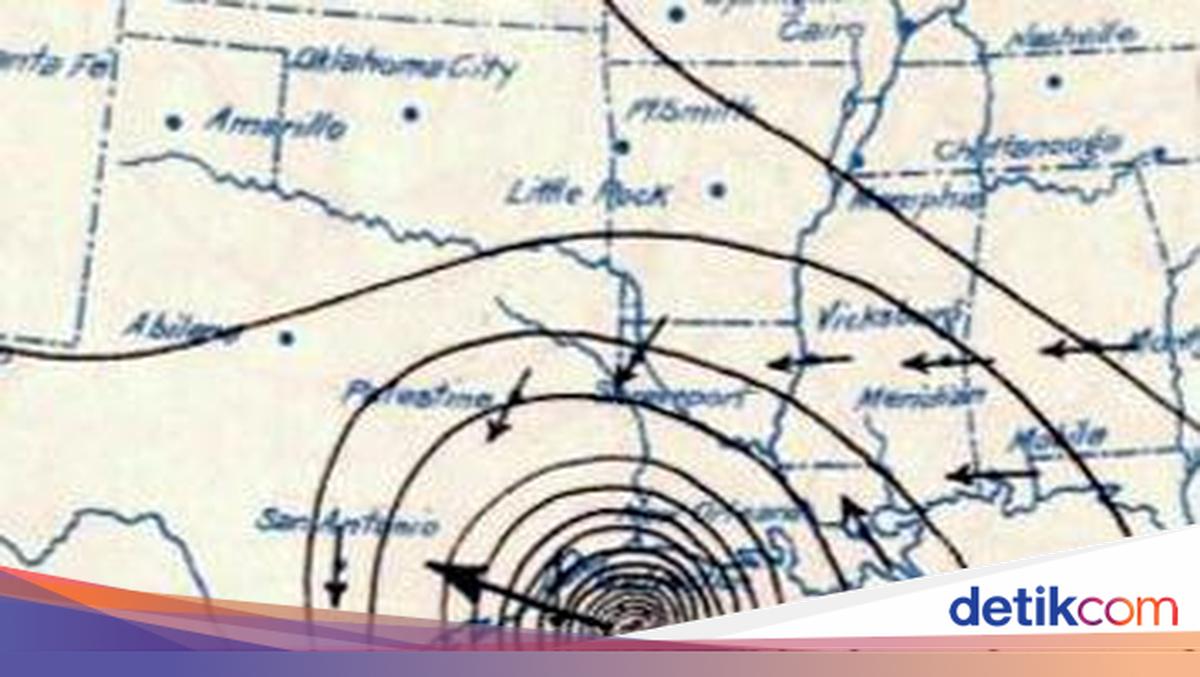
The United States was once struck by a powerful storm known as the Galveston hurricane. The 1900 hurricane devastated the superpower.
According to the US National Park Service (NPS), the 1900 Galveston hurricane was an estimated Category 4 tropical storm that hit the City of Galveston and Galveston Island, Texas, on 8 September 1900. It is recorded as the deadliest natural disaster in US history.
The storm was first observed near coordinates 15°N, 63°W on 30 August. On 4 September, Galveston residents learned that it was moving north across Cuba, but detailed information was very limited.
Then, on 8 September, the sea surged ahead of the storm’s vortex and rapidly flooded Galveston Island. The bridge connecting the island to the mainland collapsed before many residents had a chance to evacuate.
Strong winds and flying debris brought down homes, destroying two-thirds of the city. After striking Texas, the storm crossed Oklahoma and Kansas, turned north-east across the Great Lakes and Canada, and eventually dissipated over the North Atlantic on 12 September.
Between 6,000 and 8,000 people are recorded as having died in Galveston city. The total death toll across Galveston Island is estimated at between 10,000 and 12,000.
Property losses were estimated at between US$20 million and US$30 million at the time. A total of 2,636 homes were completely destroyed. The Galveston Island shoreline was also eroded by 91 metres (300 feet), and 16 ships in the harbour suffered severe damage.
Several factors contributed to the high death toll. The hurricane generated a storm surge 4.8 metres (15.7 feet) high, while the highest point on Galveston Island was only 2.7 metres (8.7 feet) above sea level, leaving almost the entire island submerged.
The collapse of buildings along the coast sent fragments of brick, timber and slate roofs flying into other buildings and striking residents.