
The Tale of Ulama and Umara
The azure sky over Ponorogo that morning showed no signs that a historical stage was being set. In the village of Gontor, more famous than the official name of its century-old boarding school, Pondok Modern Darussalam, the hum of thousands of students chanting sholawat accompanied by rebana drums could be heard. This melody accompanied the arrival of Indonesia’s top leader into a meeting hall already filled with thousands of attendees.
The holder of the highest power in the Republic of Indonesia, President Prabowo Subianto, attended the Thanksgiving Reception for the 100th Anniversary of Pondok Modern Darussalam Gontor on Saturday, 19 September 202<0xA0>6, under strict protocol and security.
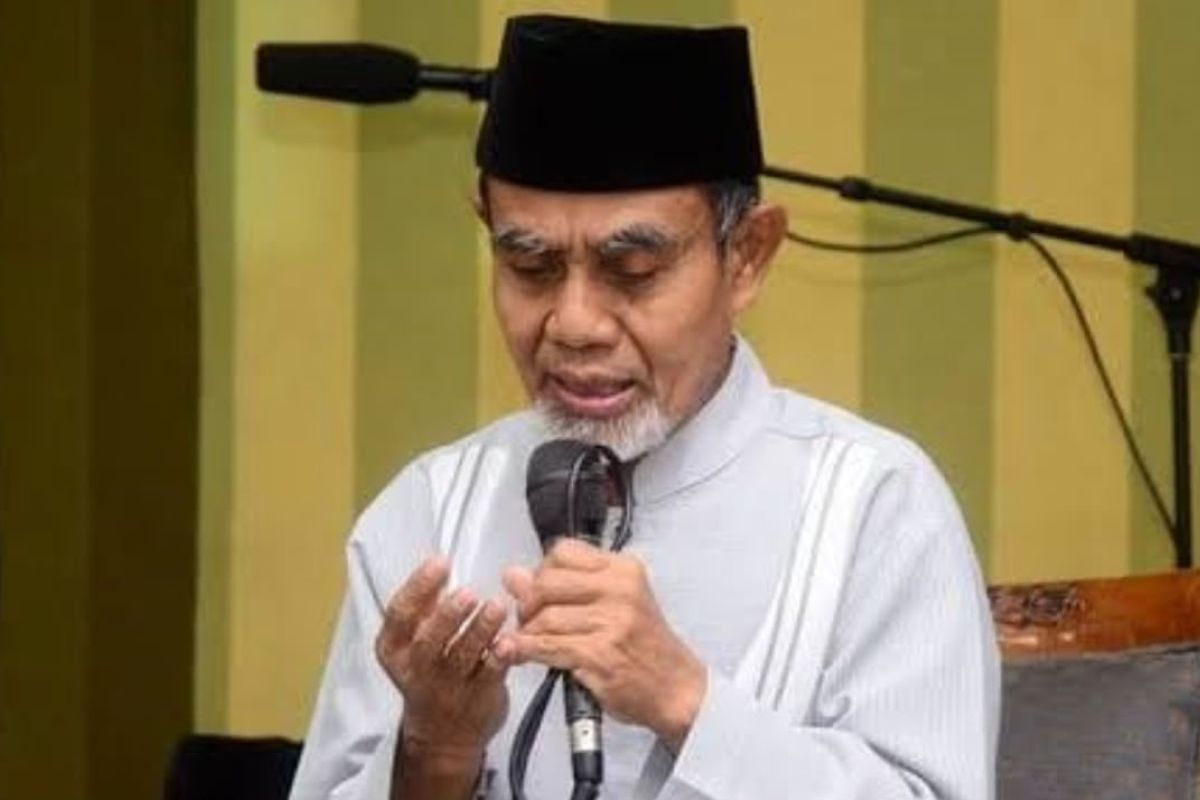
However, behind the bustle of state protocol and the tight formation of black-suited guards, there was something that political authority could not buy: the body language of a humble elderly man standing to welcome the President. He was Kiai Haji Hasan Abdullah Sahal.
His aged body remained upright, looking at the distinguished guest not with the gaze of a subordinate to a master, but with the gaze of a teacher to a student. As their fingers clasped, there was no excessive bowing from the Kiai. No anxiety shadowed his eyes.
The stiff atmosphere of state affairs shifted instantly as Kiai Hasan ascended the podium. Without artificial diplomatic pleasantries, he greeted the Head of State with a blunt jest.
“Mr President, I feel a bit awkward saying this, Sir. Sorry, yeah…” Kiai Hasan said simply. The sentence was met with laughter and applause from the audience, breaking down the barriers of protocol.
Yet, from that same podium, Kiai Hasan demonstrated how leadership is tested by equality and transparency. In front of the President, he revealed the fundamental philosophy of Gontor’s governance, which rejects elite luxury and places leaders on equal footing with those they lead. With a firm tone, he asserted the ethical boundaries applicable within the walls of the pesantren.
“The leaders of Gontor must not live more luxuriously than the students. If what I eat, or what I wear, exceeds that of the students—if my vehicle or my house is better than theirs—they are allowed to protest and demonstrate!”
This statement was not merely an internal rule of the institution, but a subtle yet sharp reprimand for the climate of public leadership, from the lowest levels to the highest in Indonesia.
Kiai Hasan delivered an open lecture on moral legitimacy, asserting that leaders, both in pesantren and in government, must not drift too far from the people they serve, while opening the doors wide for correction and self-criticism.