
The Stretcher Republic
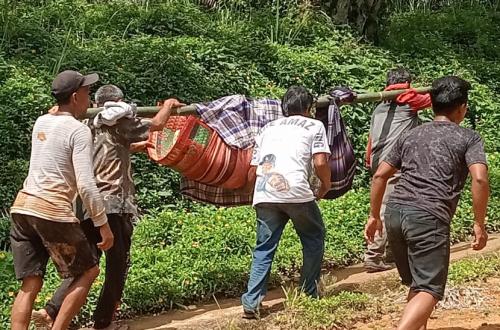
Amidst the clamour of speeches on equitable development, healthcare digitalisation, and national infrastructure progress, the incident of a pregnant woman being carried three kilometres in the remote Pasaman Barat region feels like a harsh slap to anyone’s conscience. Irhamni, a 38-year-old pregnant woman struggling to survive in an area long neglected by the state’s basic services, was carried alternately by locals to receive medical care. This incident reveals a stark irony in Indonesia’s development. On one hand, the state speaks of digital transformation, artificial intelligence, and healthcare modernisation. On the other, villages have gone 80 years without adequate road access for four-wheel vehicles. Ambulances exist but cannot reach residents. Healthcare workers are present but do not stay. This reality shows the state is present in symbolism but absent in actual function. Yet the constitution clearly states healthcare is a fundamental right that must be provided without geographical discrimination. Unfortunately, for remote communities like Rura Patontang, this right still feels like a luxury. Most distressingly, this is not a new occurrence. Locals say carrying the sick has been a generational tradition. This means the state is aware of public service isolation in the area but has failed to deliver sustainable solutions. It must be noted that broken roads are not merely a physical infrastructure issue. Unfinished roads symbolise delayed prioritisation, weak budget allocation, and bureaucratic insensitivity to the suffering of marginalised communities. Consequently, residents’ safety depends on community solidarity rather than functioning public services. Irhamni’s story also shows how geographic poverty often translates into social injustice. Healthcare access being distant, unstable communication signals, and hospitals dozens of kilometres from settlements reveal remote residents live in constant vulnerability. They fight not only illness but also the state’s delayed response. In such circumstances, medical delays pose a painful threat to citizens’ right to life. The government must not wait for fatalities before offering condolences and promises of improvement. ‘The Stretcher Republic’ has become a fitting yet bitter metaphor for Indonesia’s incomplete public service independence. For a nation’s progress is not measured by towering buildings, dazzling growth figures, or large-scale national programmes, but by how easily a pregnant woman in the remote areas can access medical help without being carried through mud.