
The Strategic Value and Economic Benefits of the Hajj Pilgrimage
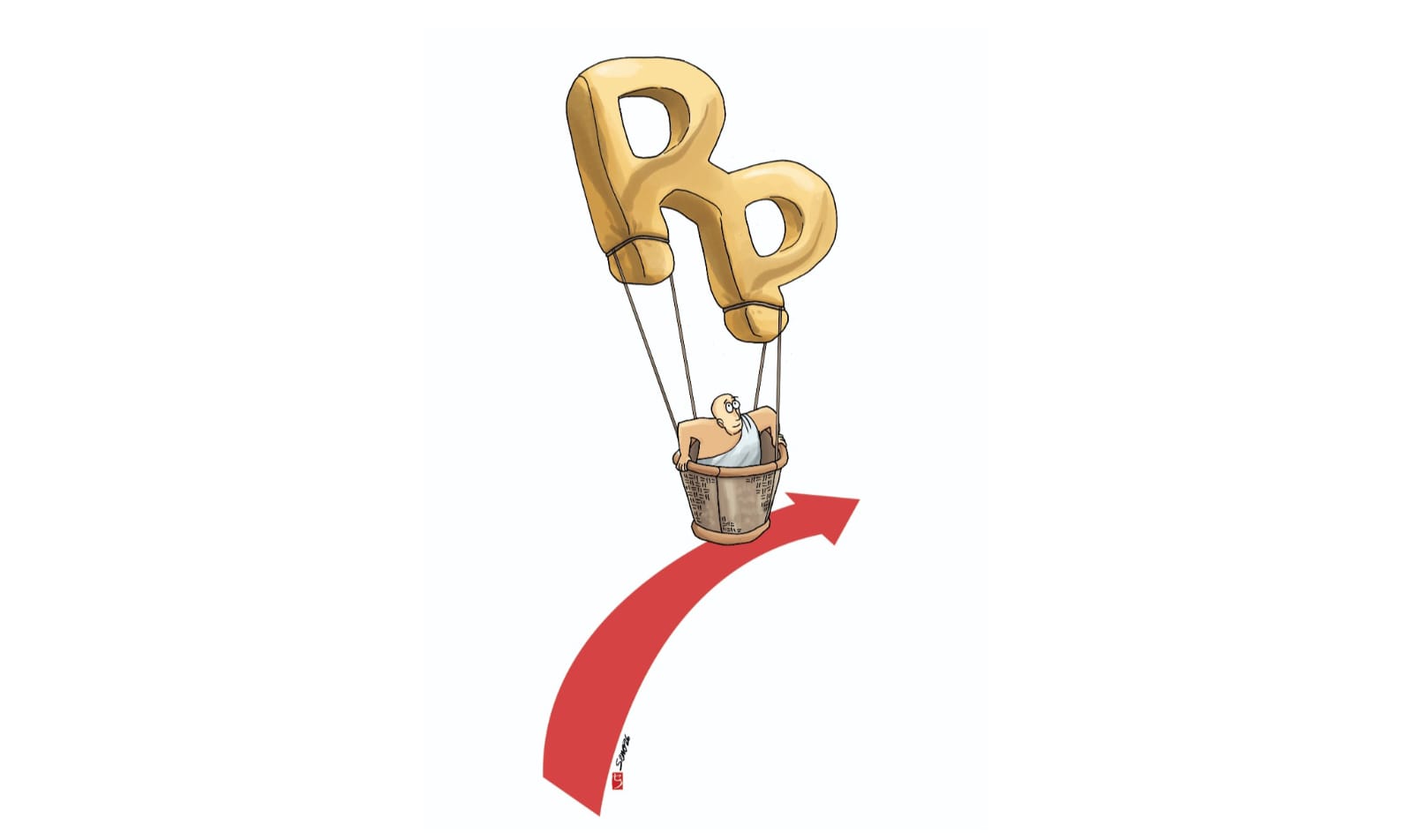
The Hajj pilgrimage is far more than an annual religious ritual for Muslims; it has evolved into a massive economic force, particularly for Saudi Arabia as the host nation. Every year, millions of pilgrims from across the globe descend upon Mecca and Medina, bringing with them enormous demands for consumption, transport, accommodation, healthcare, and logistics. This phenomenon not only supports Saudi Arabia’s Gross Domestic Product (GDP) but also demonstrates to the world, including Indonesia, that Hajj represents a tangible and vast economic market.
Since the launch of Saudi Vision 2030 by Crown Prince Mohammed bin Salman, the Kingdom has sought to reduce its dependence on oil. Hajj and Umrah have been positioned as key pillars of economic diversification. The ‘Guest of God’ programme is a flagship initiative aiming to increase service capacity from 8 million to 30 million pilgrims annually by 2030. This is not merely a spiritual target but an economic projection: each pilgrim spends thousands of dollars on airfare, hotels, transport, catering, and souvenirs. In essence, Hajj is an extraordinarily large service sector.
Quantitatively, Hajj contributes approximately 3%–5% of Saudi Arabia’s non-oil GDP and is projected to reach 10% by 2030. During every Hajj season, demand for hospitality surges drastically. Hotels around Al-Masjid al-Haram in Mecca and Al-Masjid an-Nabawi in Medina can reap fantastic revenues within weeks. Air traffic increases by up to 300% during the peak season, stimulating land transport, mass catering, temporary healthcare facilities, and equipment rentals.
Saudi Arabia also benefits from Value Added Tax (VAT) and revenues from immigration services, visas, and pilgrim protection. Even after the Hajj season ends, the flow of Umrah pilgrims continues throughout the year, creating a stable circular economy. With the average cost for regular international pilgrims reaching US$5,000–US$10,000 per person, the total direct economic value of Hajj and Umrah is estimated at US$12 billion–US$15 billion per year. This economy also creates seasonal and permanent jobs for both Saudis and expatriates, driving massive infrastructure investments such as the expansion of the Grand Mosque and new international airports in Taif and Jeddah.
ECONOMIC AND BUSINESS OPPORTUNITIES FOR INDONESIA
As the country with the world’s largest Muslim population, with an annual Hajj quota of approximately 221,000 pilgrims, Indonesia holds a highly strategic position. Unfortunately, for decades, Indonesia has primarily acted as a provider of pilgrims and a consumer of Saudi services, rather than an active player in the Hajj economic value chain. To reap economic benefits, Indonesia must transition from a consumer to a producer.
First, Indonesia must utilise its Hajj quota as bilateral bargaining power. Currently, much of the Hajj funds collected from pilgrims flow to Saudi Arabia for hotels, catering, and transport. Indonesia could negotiate Government-to-Government (G2G) agreements so that some services are provided by Indonesian companies. The Indonesian Hajj Financial Management Agency (BPKH), which manages approximately Rp170 trillion in Hajj funds, should more optimally invest a portion of these funds to build assets in Saudi Arabia, such as hotels or logistics centres in Mecca and Medina. By owning assets, Indonesia would not only secure services for its pilgrims but also secure long-term rental income.
Second, Saudi Arabia imports nearly 80% of its food and consumption needs, including for the Hajj season. Indonesia has a massive capacity to export halal products, ranging from instant noodles and seasonings to coffee and health products like herbal medicine (jamu) and honey. During Hajj, the demand for ready-to-eat meals, bottled water, and snacks is extremely high. Indonesian producers could establish partnerships with Saudi catering companies serving the camps in Mina and Arafat. Similarly, there is great potential in apparel: ihram clothing, sarongs, songkok, and Indonesian souvenirs are in high demand. Currently, this market is dominated by products from China, India, and Turkey. Indonesia needs to establish product showcases in Jeddah and Mecca through annual trade exhibitions (Indonesia Expo) and encourage cross-border e-commerce.
Third, logistics and supply chain services. Shipping goods from Indonesia to Saudi Arabia for Hajj needs requires a reliable supply chain. Indonesia has a significant opportunity to become a Hajj logistics hub for the Southeast Asian region. By developing international airports in Sumatra or Kalimantan closer to Hajj flight paths, Indonesia could offer cargo services for the needs of pilgrims from Malaysia, Brunei, the Philippines, and even Australia.
Fourth, skilled and professional labour. The demand for skilled labour in Saudi Arabia during Hajj is very high: nurses, doctors, chefs, air conditioning technicians, and cleaning staff who understand the language and culture of Indonesian pilgrims. Indonesia can develop a specialised Hajj vocational training and certification system (such as Hajj caregiver certification) recognised by Saudi authorities. Through bilateral labour agreements, Indonesia could deploy seasonal workers with proper legal protection.
Source: jawawa.id (https://jawawa.id/newsitem/the-strategic-value-and-economic-benefits-of-the-hajj-pilgrimage-1780958567)
Originally published by Media Indonesia (https://mediaindonesia.com/opini/898345/nilai-strategis-dan-manfaat-ekonomi-ibadah-haji), translated from Indonesian