
The Story of the Israeli Spy Who Almost Became Deputy Minister
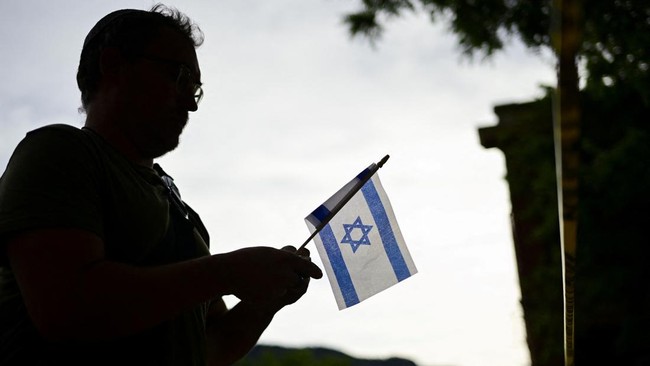
The story of Israeli secret agent Eli Cohen is known for his success in infiltrating the Syrian government, nearly securing a position as Deputy Minister of Defence. Using the alias Kamel Amin Thaabet, Cohen is recorded as one of the most influential Mossad agents in intelligence history. Cohen was born in Egypt and joined Mossad in 1954. He was later sent to Syria with the identity of a successful textile businessman. To make his cover convincing, he used a false background as a Syrian national who had lived in Argentina to run a family business. According to the book Our Man in Damascus, Cohen entered Syria after building a relationship with General Amin al-Hafez in Argentina. He told the general that he wished to return to his homeland to help rebuild Syria, which was then facing corruption problems. Al-Hafez believed he was a nationalist businessman wanting to restore Syria’s honour. That trust opened wide doors for Cohen. He was introduced to high-ranking officials and the Syrian military elite. His name became increasingly well-known after he frequently hosted gatherings for the elite, allowing him to collect various strategic information without arousing suspicion. Author Samantha Wilson noted in Israel (2011) that the Syrian elite’s habit of gathering at social events was one of the loopholes Cohen exploited to obtain important information. In 1963, Amin al-Hafez became President of Syria and their relationship grew even closer. Cohen was even invited several times to visit sensitive military sites. From these visits, he gathered detailed information about Syria’s defences, which he then sent to Israel via Morse code. The operation lasted for more than three years. The trust he built reached its peak when he was reportedly offered the position of Deputy Minister of Defence. He initially hesitated to accept the offer, but Mossad encouraged him to continue the operation. However, his luck turned in 1965. One night, the Syrian military detected a suspicious Morse code signal coming from Cohen’s house. After an intensive investigation, he was arrested as a spy. President al-Hafez was reportedly furious over the intelligence leaks that caused Syria to repeatedly lose in conflicts against Israel. Cohen was tortured and eventually sentenced to death by public hanging on 18 May 1965. His body was never returned to Israel. Despite his execution, the impact of Cohen’s operation endured. The information he leaked helped Israel win the Six-Day War in 1967. He is perhaps the most influential figure in the history of Middle Eastern intelligence, illustrating how profoundly his operation affected regional dynamics. To this day, the name Eli Cohen is remembered as a symbol of Israeli intelligence success in the Middle East. His story of disguise remains an example of how intelligence operations can influence the course of conflict and relations between nations for years.