
The Story of the Ambulance Boat: A Silent Witness to Childbirth During a Journey Through Segara Anakan
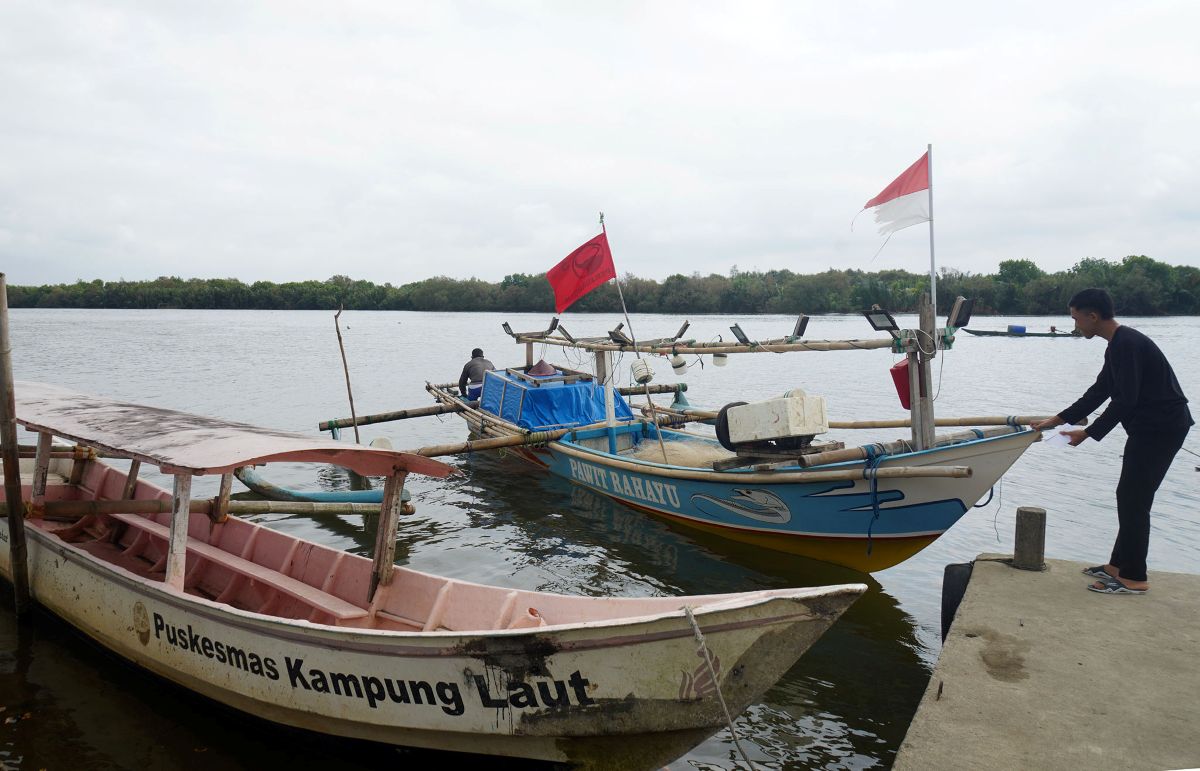
In the middle of the night, the sound of a small boat engine, measuring approximately 1.5 metres by 9 metres, broke the silence at Klaces Pier, Kampung Laut District, Cilacap Regency, Central Java. This vessel, functioning as a water ambulance, was transporting a pregnant woman prepared for childbirth.
The passenger, identified as Warsi, had reached four centimetres of dilation during her fourth pregnancy by the time she arrived at the Kampung Laut Community Health Centre (Puskesmas). Midwife Rosi Eka Prastiwi, who was familiar with the patient, decided not to take any risks and immediately requested the water ambulance to transport Warsi to a hospital in Cilacap City.
All emergency medical equipment was brought along, as the journey across the Segara Anakan waters from Klaces to the Sleko Pier in Cilacap takes approximately 1.5 to 2 hours. Navigating through the darkness amidst dense mangrove forests, the boat relied solely on headlamps for illumination. However, about 30 minutes into the journey, labour could no longer be delayed, and Warsi gave birth aboard the water ambulance. Although both mother and baby survived, the journey to the hospital continued.
“The mother still required further treatment due to very high blood pressure. Upon arrival at the hospital, her condition was much more severe than we had anticipated. The medical team discovered heavy bleeding that was not visible during the journey, and the patient nearly went into shock,” Rosally stated when interviewed at the Kampung Laut Health Centre on Thursday.
For Rosi, this was not an isolated incident. While serving in Kampung Laut, she has assisted in two other births aboard boats during hospital referrals. She noted that such incidents often occur around the Sapu Regel waters, where larger waves can intensify contractions. Despite the anxiety, Rosi maintains her composure, aided by the fact that patients are covered by the National Health Insurance (JKN), which alleviates the mental burden of medical costs.
The Head of the Kampung Laut Health Centre, Dr Oktaryan Eko Arrianto, stated that the water ambulance is the lifeline for healthcare in remote areas, particularly in Kampung Laut. This specialised transport is on standby 24 hours a day to transport referral patients to Cilacap, especially for emergencies, and is covered by BPJS Kesehatan. He noted that most referrals involve high-risk obstetric cases.
Local residents, such as 28-year-old Heriyani, expressed relief that JKN coverage removes the fear of medical expenses. The health centre serves approximately 16,000 residents across four villages, acting as the sole healthcare facility in the area surrounded by the Segara Anakan waters. Over 90 per cent of patients are JKN participants.
To improve accessibility, BPJS Kesehatan recently implemented the ‘Layanan di Ujung Negeri’ (Lanuri) programme, bringing administrative services directly to the district. This initiative saves residents from the costly and time-consuming three-hour round trip to Cilacap City to manage their insurance administration, such as updating data or changing primary healthcare facilities.
Source: jawawa.id (https://jawawa.id/newsitem/the-story-of-the-ambulance-boat-a-silent-witness-to-childbirth-during-a-journey-through-segara-anakan-1785491494)
Originally published by Media Indonesia (https://mediaindonesia.com/nusantara/916857/cerita-kapal-ambulans-yang-jadi-saksi-bisu-persalinan-saat-perjalanan-di-segara-anakan), translated from Indonesian