
The Story of Salim's Frequent Visits to Mount Kawi on His Path to Becoming an Indonesian Conglomerate
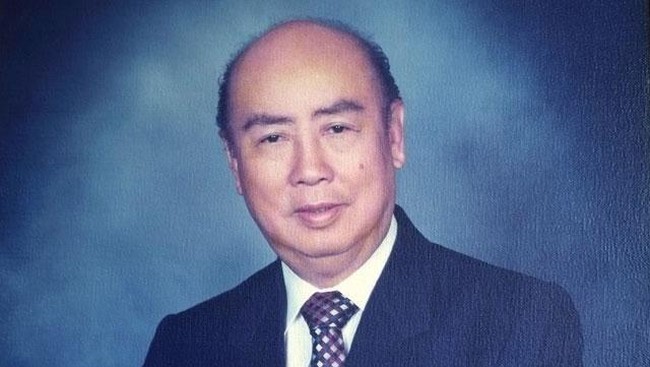
In 1975, an unplanned encounter occurred between Sudono Salim (Liem Sioe Liong) and Mochtar Riady during a flight to Hong Kong. During their conversation, Riady expressed his ambition to establish a new bank, while Salim revealed he was searching for someone capable of managing Bank Windu Kencana, Bank Dewa Ruci, and BCA. Recognizing Riady’s capacity, Salim invited him to collaborate, a shared vision that became the foundation for the growth of BCA. Under Riady’s leadership, BCA has developed into Indonesia’s largest private bank from the 1980s to the present day. This pivotal decision was not merely based on economic calculations but was also influenced by guidance from a fortune teller.
According to the book ‘Liem Sioe Liong and Salim Group: Soeharto’s Business Pillar’ (2016) by Richard Borsuk and Nancy Chng, upon returning from Mount Kawi after consulting a fortune teller, Salim expressed confidence, stating, ‘I will be the Tang Sheng for Mochtar.’ Mount Kawi is well-known as a location visited by many for spiritual purposes, including seeking prophecies. For Salim, these visits had a specific purpose. Borsuk and Chng note that Salim regularly travelled from Surabaya to Mount Kawi, a three-hour journey, approximately three to five times a year. He would typically spend time in a Chinese temple. Before embarking on any large-scale business project, Salim would first seek guidance from a fortune teller and perform various rituals.
In the temples where he prayed, Liem often relied on mystical methods to help him decide his next steps. One common method involved shaking a bamboo tube containing sticks with specific inscriptions until one fell out, the text on which would then be interpreted by a monk or fortune teller. Salim placed full trust in the advice provided by the fortune teller, believing that ignoring such guidance could lead to erroneous decisions and significant losses. This belief applied not only to starting businesses but also to selecting buildings or locations believed to bring good fortune.
One story often linked to this belief occurred in 1968. At that time, Salim, alongside a group of conglomerates known as the ‘Gang of Four’—consisting of Sudwikatmono, Djuhar Sutanto, and Ibrahim Risjad—was preparing to launch a joint venture. Rather than choosing a spacious and comfortable office, Salim insisted on using a narrow room equipped only with one desk, one telephone, and two chairs, without air conditioning. He believed the location possessed excellent feng shui that would bring prosperity. Ultimately, this conviction appeared to be proven correct, as the business run with the ‘Gang of Four’ expanded rapidly, serving as the foundation for Salim’s subsequent business expansions. This reliance on mystical elements and feng shui is frequently cited as a factor that shaped Salim’s business decisions as his empire grew into one of the largest conglomerates in Indonesia.
Source: jawawa.id (https://jawawa.id/newsitem/the-story-of-salims-frequent-visits-to-mount-kawi-on-his-path-to-becoming-an-indonesian-conglomerate-1785570760)
Originally published by CNBC Indonesia (https://www.cnbcindonesia.com/market/20260801101334-17-755653/cerita-salim-rutin-bolak-balik-gunung-kawi-hingga-jadi-konglomerat-ri), translated from Indonesian