
The Story of NASA Astronauts Saving Indonesia's Palapa Satellite in Outer Space
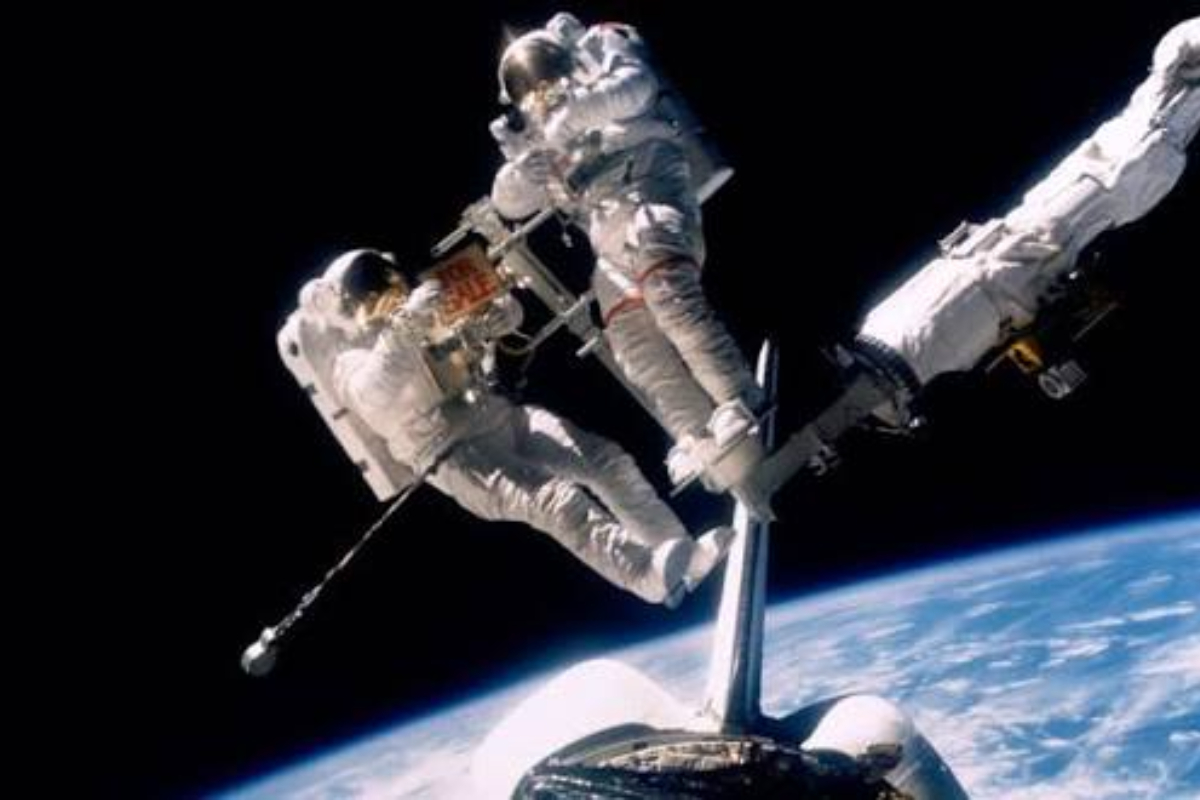
Life in outer space is fraught with significant risks that can threaten astronaut safety, ranging from limited oxygen and the physiological effects of zero gravity to the threats of radiation and dangerous space debris. These risks intensify during unexpected emergencies, such as the situation faced by NASA astronauts Dale Gardner and Joseph Allen in 1984 during a mission to rescue a communication satellite that had drifted out of orbit.
One of the satellites requiring rescue was Indonesia’s Palapa communication satellite. Launched in 1976 from Cape Canaveral, Florida, USA, Palapa was Indonesia’s first communication satellite and served as a vital milestone in connecting various regions across the Indonesian archipelago. However, a few years after its launch, the satellite encountered orbital issues due to a failure in the booster rocket, which prevented it from reaching its intended trajectory. This left the satellite at risk of drifting uncontrolled through space.
NASA subsequently launched a highly dangerous rescue mission: manually capturing the satellite outside the spacecraft. According to IFL Science, Dale Gardner and Joseph Allen had to don specialised spacesuits and perform an extravehicular activity to approach the Palapa satellite in the darkness of space and zero gravity. NASA reported that Allen and Gardner ventured into the weightless environment to begin the satellite capture phase of their journey.
During the mission, Joseph Allen was tasked with approaching the Palapa satellite using safety tethers connected to the spacecraft. Once he reached the satellite, he installed hooks and cables so that Palapa could be pulled back. Meanwhile, Dale Gardner remained stationed at the spacecraft to ensure the satellite was successfully captured and securely locked into the payload bay, while other astronauts monitored the process from within the vessel.
Despite the immense risks, the mission was a success. After working for 5 hours and 42 minutes in outer space, both astronauts successfully captured and secured the Palapa satellite without significant hindrance. This achievement remains a historic moment in NASA’s space missions and was instrumental in saving Indonesia’s essential communication satellite.