
The Story of Jakarta's Sacrificial Butchers: From Emotional Bonds to the Risk of Being Gored by Cattle
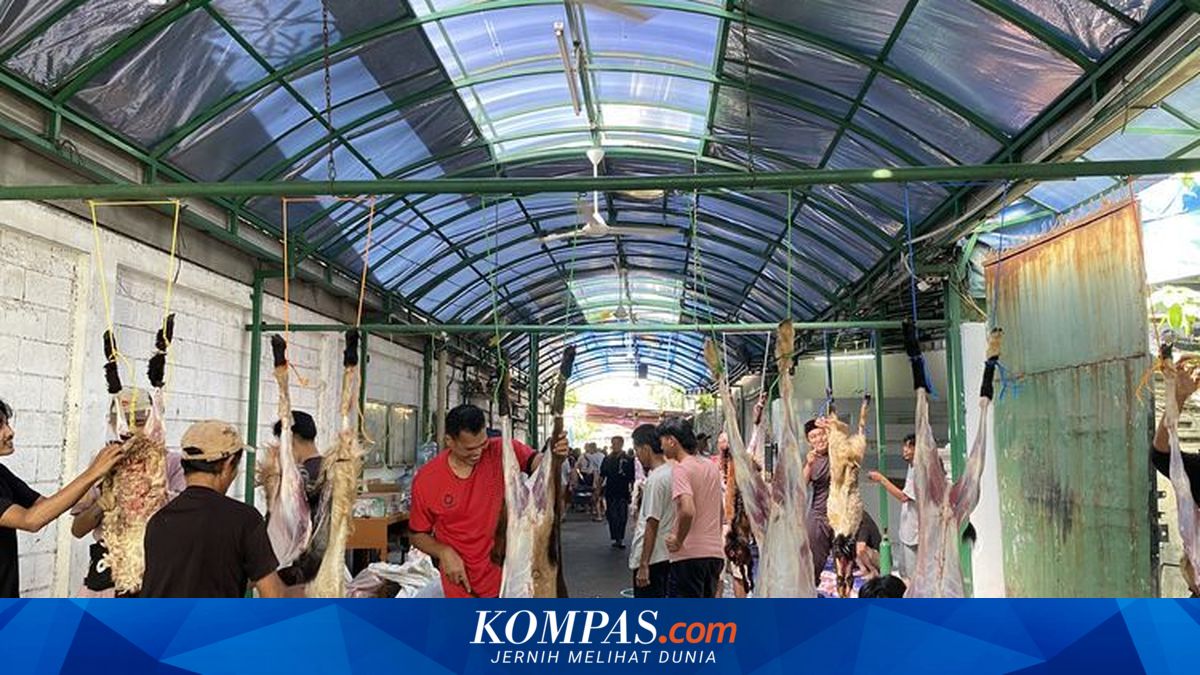
The sound of takbir and the smell of damp straw mingling with the distinctive odour of sacrificial animals fills mosque areas across Jakarta and its surroundings ahead of the 1447 Hijriah Eid al-Adha. Behind the bustling slaughter process are the butchers who have dedicated decades to a job many find gruelling and tense. Take Supardihan, known as Eko (53), for instance. The Bogor native has worked as a butcher since 1998, initially learning the basics of slaughter by helping his father with small goats. Over time, Eko grew accustomed to handling knives, managing cattle and goats, and understanding the temperament of sacrificial animals. For him, being a butcher is not merely a job but a religious duty performed with sincerity. At nearly 54, Eko admits he once considered quitting. Yet, whenever called upon for Eid or aqiqah slaughter, he finds it hard to refuse. He views the role as a trust and an honour not granted to everyone. “It’s no different from regular work, but this is an honour, a duty from the Almighty,” Eko says. For Eko, the relationship between butcher and sacrificial animal goes beyond technical slaughter. He believes cattle and goats sense the sincerity of those handling them. Thus, before slaughter, he strives to establish a spiritual connection with the animals to keep them calm. “We must love the animal we are to slaughter. So that it feels our sincerity,” Eko says. “It’s like saying, ‘This is your duty now, it’s your time’. Humans care for each other too. ‘Perhaps this is your task, and insha’Allah you’ll meet again there’,” he adds. Eko says that without calmness and emotional approach, sacrificial animals may resist slaughter. In Kebon Sirih, Central Jakarta, senior butcher Iyung (64) remains busy moving between slaughter sites. A Tanah Abang native, he has been a butcher since age 17, inheriting the trade through generations. Daily, he slaughters between 50 to 150 animals. Years of experience have made him aware of various risks when handling cattle and buffalo. Bali cattle, he says, are particularly feared. “I’m scared of Bali cattle. There was an incident where an ustadz was gored,” he says.
Source: jawawa.id (https://jawawa.id/newsitem/the-story-of-jakartas-sacrificial-butchers-from-emotional-bonds-to-the-risk-of-being-gored-by-cattle-1779929805)
Originally published by Kompas (https://megapolitan.kompas.com/read/2026/05/28/07111151/kisah-para-jagal-kurban-di-jakarta-dari-ikatan-batin-hingga-risiko?utm_source=ABC&utm_medium=rss), translated from Indonesian