
The Story of Glodok, Indonesia's Largest Chinatown Rooted in Dutch Colonialism
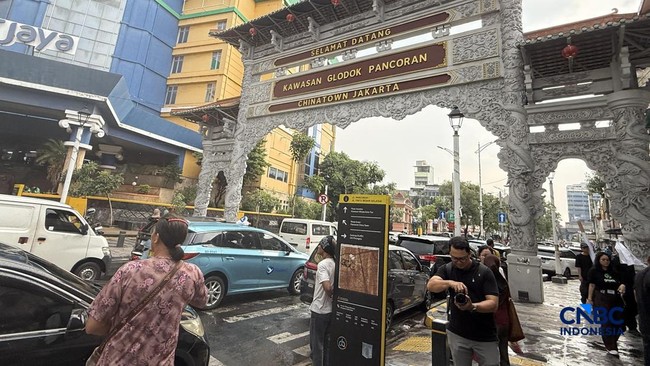
The Glodok Chinatown area in Tamansari, West Jakarta, is inseparable from the scent of incense, old temple architecture, and the distinctive bustle of trade. Yet as the largest Chinatown in Indonesia, Glodok holds a long historical narrative rooted in the urban planning policies of the Dutch colonial era.
Co-Founder of SANA Kenal Kota, Abimantra Pradhana, recounted that Glodok’s history cannot be separated from the development of Batavia during the VOC administration. According to him, this area became a crucial point in the journey of the Chinese community in Jakarta and a meeting space for various cultures that later gave birth to the city’s distinctive identity.
‘Glodok is not just a trading area. It is a historical space that shows how the Chinese community adapted, built a life, and interacted with the local community for hundreds of years. From here we can see the process of cultural acculturation that shaped modern Jakarta,’ said Abimantra during the Media Experience: Jalan Jajan Petak ke Petak from Gojek event on Thursday (25/6/2026).
According to Abimantra, Glodok began to be known as a Chinatown after the Dutch colonial government designated the area as a settlement zone for ethnic Chinese in the 18th century. This policy emerged following a major incident involving the community in Batavia in 1740.
Since then, Glodok developed into a centre for trade, settlement, and the social and cultural activities of the Chinese community. The selection of Glodok as a new settlement was not without reason. The area was traversed by rivers and canals that served as the logistical transport arteries.
‘At that time, Glodok was close to waterways, which made it easier for the Chinese community to carry out loading and unloading activities. When isolation occurred, the community built a strong independent trading ecosystem, ranging from traditional markets and herbal medicine shops to culinary outlets,’ he explained.
Abimantra noted that the Glodok area is a living visual laboratory. Here, hybrid architecture combining Southern Chinese and colonial styles can still be found in its narrow alleys, such as in the Petak Sembilan and Gang Gloria areas.
Therefore, it is important for the younger generation not only to see Glodok as a centre for electronics shopping or a culinary destination, but as an important part of the mosaic of Jakarta’s identity. He considers this area a living heritage that still performs social, cultural, and economic functions to this day.
‘Glodok teaches us that Jakarta was built by many community groups with different backgrounds. The history of this area serves as a reminder that diversity is an important part of the city’s identity,’ he said.