
The Story of Fatema Obaid: A Survivor of the 1948 Nakba Amidst the Gaza Genocide
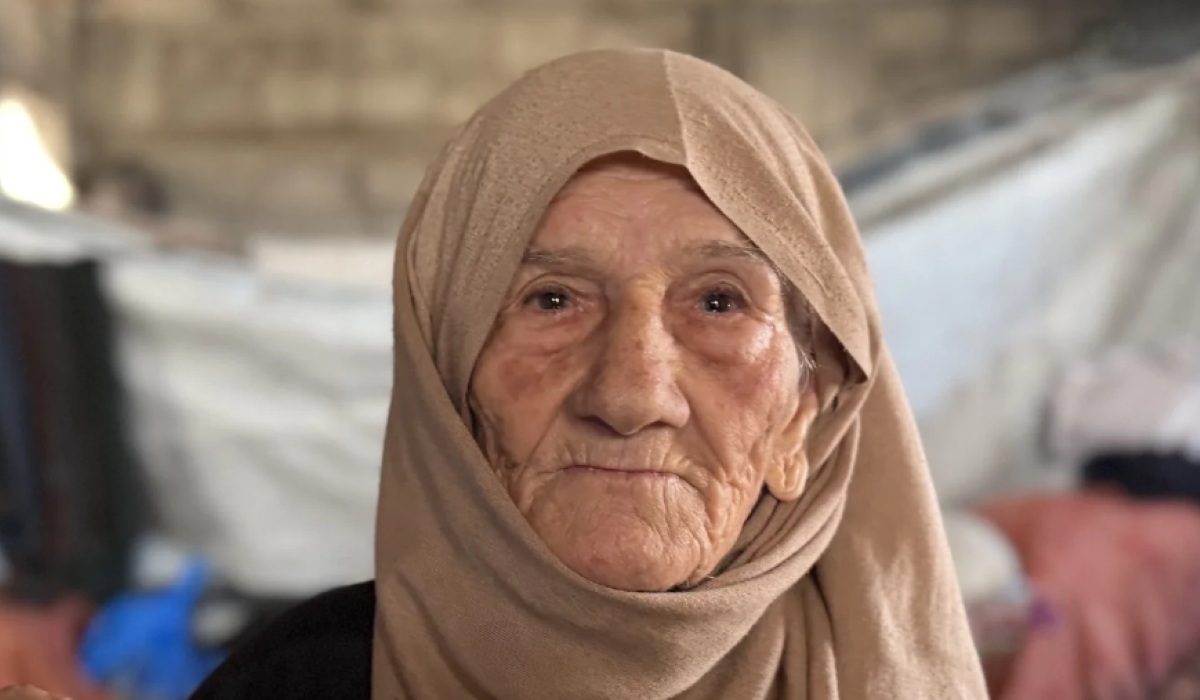
At the age of 95, Fatema Obaid should be spending her twilight years in peace. However, a harsh reality has struck her. This elderly Palestinian woman has to survive amidst daily Israeli bombardments, severe hunger, and profound grief after losing 70 members of her family.
As one of the living witnesses who survived the 1948 Nakba, Obaid strongly rejects the Israeli military’s order to leave Gaza City during the large-scale attacks since 2023. For her, fleeing for the second time would only mark the beginning of a more brutal Nakba, a tragedy that she refuses to experience again.
Obaid comes from the Shujaiya neighborhood in Gaza City. She was displaced for several months during the 1948 Nakba when Zionist militias attacked Palestinian cities. However, she managed to return to Shujaiya after the 1949 ceasefire. Now, more than 75 years later, she is experiencing the same trauma with a much greater level of brutality.
Here is a comparison of the scale of the tragedy based on the collected data:
Since October 2023, Obaid has moved to more than 10 different places of refuge. Her house in Shujaiya has been reduced to rubble. The most heartbreaking tragedy was when an Israeli airstrike killed more than 70 members of her extended family, including her son, grandchildren, and nephews.
“They bombed our house and killed more than 70 members of my family. Now, people laugh when I say that only one and a half of my sons are still alive; one survived, and the other was seriously injured and can no longer walk,” she said sadly.
When Israel issued a mass evacuation order towards the south, Obaid chose to stay in Gaza City despite the area being besieged and experiencing systematic starvation. Famine was officially declared in Gaza City in August 2025 by the IPC, which is supported by the UN.
“There were days when we couldn’t find a single drop of water. We counted every sip, barely found any food, and were forced to flee from one place to another. My health has deteriorated, but I don’t want to die in a refugee camp outside of Gaza City,” she insisted.
All of Obaid’s belongings, including her white wedding dress that she had kept for 80 years and her late husband’s clothes, were destroyed and buried under the rubble. The only item that remains is a pair of earrings that her father gave her when she was little.
“I never took them off. That’s why these earrings survived with me. These are the only items that remain from before the 1948 Nakba. These earrings have survived two Nakbas, while so many members of my family have been killed. These earrings are still ‘alive’,” Obaid concluded.
The story of Fatema Obaid is a portrait of the steadfastness (sumud) of the Palestinian people. Amidst efforts to erase their history and identity, living witnesses like Obaid continue to speak out, reminding the world that their roots run deeper than the destruction caused by the occupation. (MEE/I-2)
Palestine urges the international community to recognize the 1948 Nakba as an ongoing ethnic cleansing that continues to this day in Gaza and the West Bank.
Source: jawawa.id (https://jawawa.id/newsitem/the-story-of-fatema-obaid-a-survivor-of-the-1948-nakba-amidst-the-gaza-genocide-1780581026)
Originally published by Media Indonesia (https://mediaindonesia.com/internasional/890676/kisah-fatema-obaid-penyintas-nakba-1948-di-tengah-genosida-gaza), translated from Indonesian