
The Story of Cikotok: How 30,000 Tonnes of Gold Enriched the Dutch Colonial Government
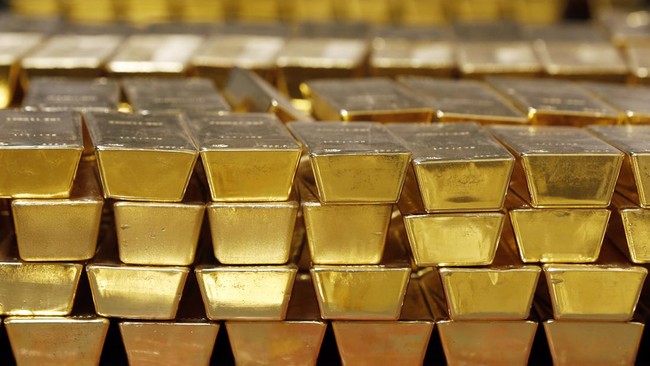
Gold remains a highly sought-after investment instrument, valued for its ability to preserve wealth over the long term, especially during times of global economic and geopolitical uncertainty.
In Indonesia, the history of modern gold mining began with a staggering discovery in Cikotok, Banten. The colonial government had long heard rumours of a gold source in the region, located roughly 200 kilometres from Batavia (now Jakarta). To verify these claims, a geological survey was launched in 1919, led by Dutch researcher W.F.F. Oppenoorth. The team journeyed from Sukabumi, cutting through forests and building access roads and tunnels in anticipation of a major mining operation.
The research confirmed the rumours. Cikotok held an immense deposit of gold. By 1928, 25 tunnels had been constructed, carving through steep hills, highlands, and narrow valleys. The investment was substantial, costing the colonial government 80,000 guilders annually, a sum equivalent to billions of rupiah today. The effort paid off when, in March 1928, the true scale of the find was revealed: 30,000 tonnes of gold were hidden beneath the ground.
The discovery caused a sensation. The colonial government granted operational rights to NV Mijnbouw Maatchappij Zuid Bantam, and massive exploitation began. Transport routes were expanded beyond Sukabumi to include Rangkasbitung and Pelabuhan Ratu. A processing plant with a capacity of 20 tonnes per day was built, but it could not handle the sheer volume of gold being extracted. During operations, workers frequently found gold nuggets of varying weights, with the largest recorded at 126 grams. By 1933, the mining area spanned 400 square kilometres, and total revealed reserves were estimated at over 61,000 tonnes of gold, valued at 3.68 billion guilders.
Despite this enormous wealth, the benefits flowed exclusively to the colonial government, which grew richer while the local population remained impoverished. Promises of welfare for the native people never materialised. After Indonesia’s independence, the Cikotok gold mine was taken over by the state-owned NV Perusahaan Pembangunan Pertambangan and later, in 1974, by PT Aneka Tambang. The mine’s history came to an end in 2005 when its gold deposits were finally exhausted, though its legacy of large-scale mining was continued by even bigger operations such as Freeport in Papua.
Source: jawawa.id (https://jawawa.id/newsitem/the-story-of-cikotok-how-30-000-tonnes-of-gold-enriched-the-dutch-colonial-government-1781322676)
Originally published by CNBC Indonesia (https://www.cnbcindonesia.com/market/20260613075155-17-742523/emas-30000-ton-ditemukan-di-banten-hasilnya-dirampok-asing), translated from Indonesian