
The Story of Chacha Batik: Fostering Productive Spaces for Women in Rejang Lebong
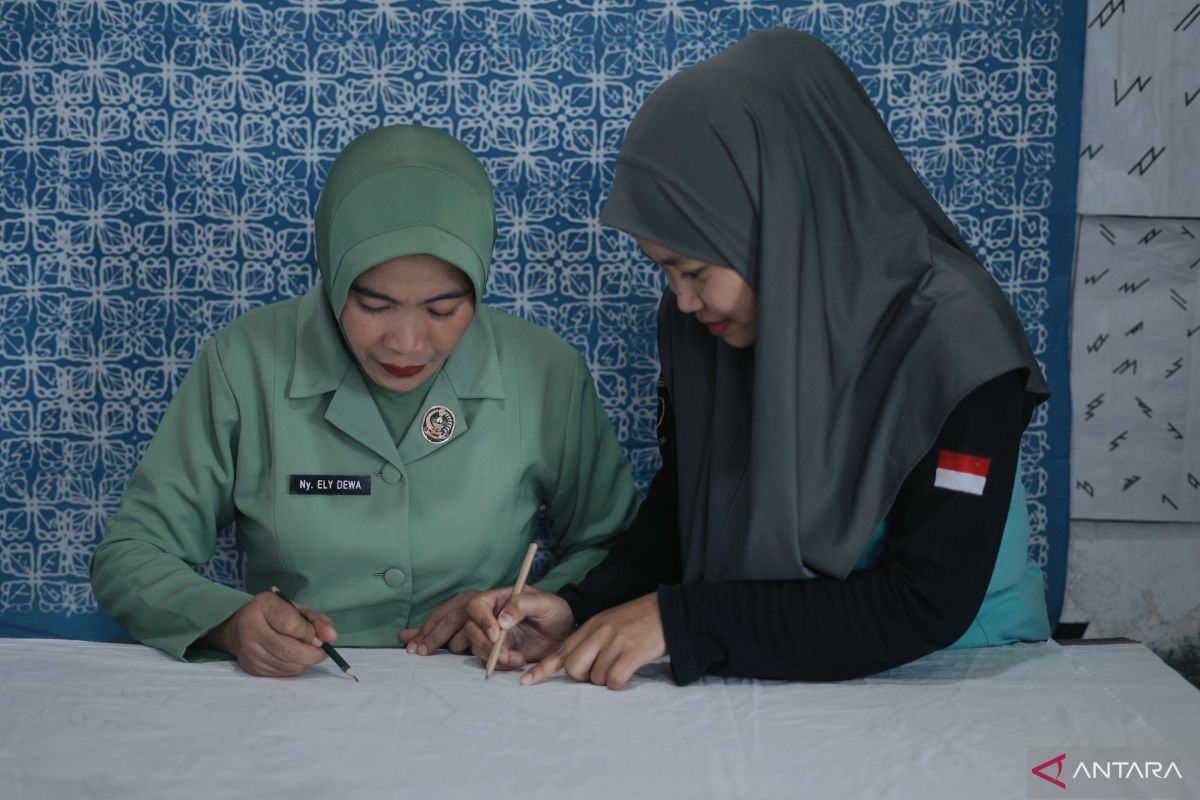
The business pioneered by Ny. Ely Dewa serves as an example of how small-scale economic activities can drive society towards greater productivity and financial independence.
Bengkulu (ANTARA) - Amid the development of the creative industry based on local culture, micro-entrepreneurs are beginning to explore regional potential as a broader source of economic opportunities for the community.
The creative industry rooted in local culture not only produces marketable products but also opens up greater spaces for community participation in both creative and economic processes.
One sector showing significant development is batik craftsmanship. This creative enterprise is no longer confined to specific regions but is growing in various areas with their own distinctive characteristics and identities.
In Bengkulu Province, batik forms part of efforts to preserve culture while strengthening regional identity through the development of unique local motifs. Rejang Lebong Regency is one area with such potential through batik based on the Kaganga script, which is rich in historical value.
Kaganga is the traditional script of the Rejang tribe, still used by communities in several regencies in Bengkulu Province, with one of the main bases of the Rejang people located in Rejang Lebong Regency.
The existence of the Kaganga script not only served as a communication tool in the past but now also forms part of the cultural identity continuously maintained by the local community.
In historical records, Kaganga is known as one of the oldest scripts used by communities in southern Sumatra. Despite rapid technological and informational advancements, the use of this script can still be found in community life, particularly among traditional elders.
In Rejang Lebong, North Bengkulu, Lebong, and Kepahiang regencies, this script is still recognised and used in various cultural contexts.
The Customary Council Body (BMA) of Rejang Lebong Regency notes that in southern Sumatra, there are several local scripts that have developed among indigenous tribes. These scripts are used by the Rejang, Serawai, Lembak, and Pasemah tribes in various forms of traditional writing.
Research from the Dutch colonial era to the post-independence period has also documented the existence of these scripts.
Researchers such as William Marsden, through his work History of Sumatra (1785), recorded the use of scripts by local communities. Similar studies were conducted by Van Hasselt in Midden Sumatra (1881), as well as M.A. Jaspan through Folk Literature Southwest Sumatra (1964), which changed the designation of the ancient local script from the term Ulu script to the Ka-Ga-Nga script.
The name Kaganga itself is derived from the first three letters in the script’s arrangement, which was later agreed upon in a meeting of customary leaders in Bengkulu.
Source: jawawa.id (https://jawawa.id/newsitem/the-story-of-chacha-batik-fostering-productive-spaces-for-women-in-rejang-lebong-1774943662)
Originally published by Antara (Indonesian) (https://www.antaranews.com/berita/5502582/cerita-batik-chacha-tumbuhkan-ruang-produktif-perempuan-rejang-lebong), translated from Indonesian