
The Story of Blacksmith Production in Teratak That Has Increased Tenfold
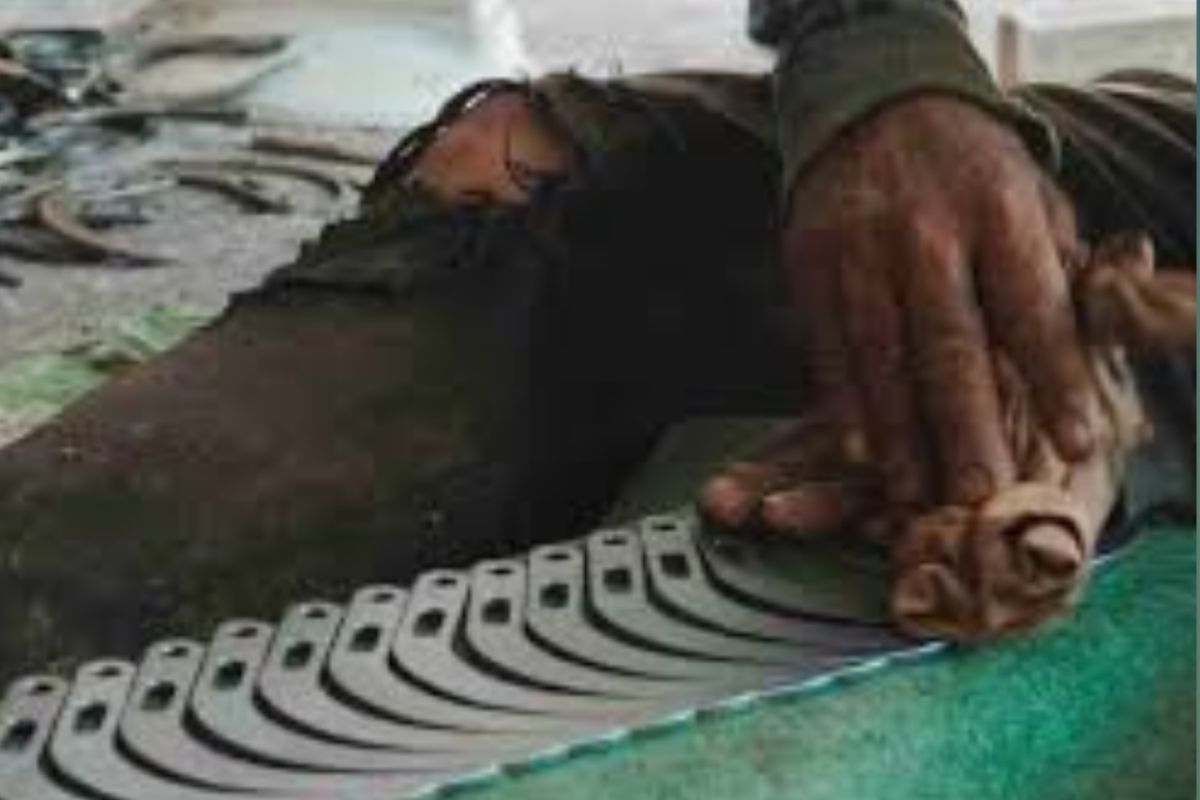
From the embers forged every day, not only plantation tools are born, but also hope.
Pekanbaru - In Desa Teratak, Rumbio Jaya Subdistrict, Kampar Regency, Riau Province, the clanging of iron against hammer is not merely the sound of work, but a song of life.
The rhythmic pounding, combined with sparks from forged iron and the hum of grinding machines and cutting lasers, signals that the village’s economic wheel is turning, even accelerating.
Behind that sound lies a major change underway. Dozens of blacksmiths who once worked in limitations are now looking to the future with new confidence. This change did not come suddenly but grew through a long process, one key point of which is the presence of the Social and Environmental Responsibility (TJSL) programme from PT Perkebunan Nusantara IV PalmCo.
Under the auspices of CV Mola Maju Basamo (MMB), these artisans have transformed from scattered small workshops into an organised production centre.
The latest assistance worth Rp115 million in the form of an air hammer machine and automatic grinder has become a catalyst accelerating this leap. Production capacity, previously only around 3,000 units of plantation tools per month, has now surged dramatically to 30,000 units. Tenfold, a figure that was almost unimaginable before.
The presence of this entity, part of Holding Perkebunan Nusantara III (Persero), is not sudden. It is sustainable and woven in a spirit of togetherness. Together to grow and strengthen each other.
Behind it is a long story of revival, collaboration, and trust that has grown since difficult times.
The leader of CV Mola Maju Basamo, Desrico Apriyus, still vividly remembers how that turning point began in 2020, when the COVID-19 pandemic halted many businesses, even causing them to collapse.
“At that time, the economy was paralysed. But that’s when PTPN stepped in. They absorbed our products, guided us, and helped us continue producing,” he said.
From there, the relationship that initially was just a business partnership developed into a deeper collaboration. In the following year, PTPN not only acted as an offtaker but also provided capital support through a partnership programme worth Rp800 million.
This capital injection became fuel for a larger transformation. Small workshops began to be consolidated, business management improved, and development direction became clearer. From merely a Joint Business Group (KUB), they transformed into a more solid and professional business entity.
Products that were previously overlooked have now become a source of village pride. Not only because of their improved quality, but also because they have obtained national certification. A recognition that opens wider market opportunities.
Changes also occurred in the way of working. Technology began to play an important role, replacing conventional methods that had long limited productivity. The presence of modern machines like the air hammer allows the forging process to be faster and more precise.
“Without PTPN’s presence, it’s hard to imagine we could produce up to 1,000 products per day,” said Desrico.
In the workshop standing under the shade of mahogany trees, there are now four air hammer units ready to operate. Some are grant assistance, others from a revolving financing scheme. This combination of support has become a strong foundation for business growth.
The impact is tangible, especially in job creation. Previously only a dozen people were involved; now the workforce has reached 23 people, and in the near future is projected to increase to 33 people. Not only that, around 100 village youths are also involved as marketing partners, both through online platforms and direct sales to markets and farmers.
The ripple effect of increased production is starting to show. Unemployment rates have decreased, economic activity has increased, and community purchasing power has slowly improved.
“The multiplier effect is clear. Production increases, labour needs grow, and the community feels the impact,” said Desrico.
Worker welfare has also seen a significant increase. Previously, income was relatively limited; now the average employee can earn around Rp7 million per month. With increased efficiency and production capacity, this figure is projected to continue rising, even reaching Rp10 million to Rp15 million per month.
However, the changes are not limited to economic aspects. The vibrancy of this business also brings strong social impacts. Part of the business profits are now allocated to support community social activities, strengthening solidarity and community bonds that form the foundation of village life.
On the other hand, the President Director of PTPN IV PalmCo, Jatmiko Santosa, emphasised that the company’s approach is indeed designed to create long-term impacts. The TJSL programme, according to him, is not just about providing assistance but building an economic ecosystem capable of growing independently.
“We believe that the company’s sustainability must go hand in hand with the sustainability of the surrounding community. Therefore, the TJSL programme is directed to create added value, open job opportunities, and encourage economic independence,” he said.
He also added that partnerships with business groups like the blacksmiths in Kampar are part of efforts to strengthen an inclusive plantation industry supply chain. Thus, economic benefits are not only centred on the company but also spread more widely to the community.
Now, in Desa Teratak, that change is no longer just hope. It has become a reality that can be seen and felt. The clanging of iron that once was just part of work routine has now become a symbol of revival.
From the embers forged every day, not only plantation tools are born, but also hope.