
The Story of an Indonesian Official's Child Who Lived in Poverty
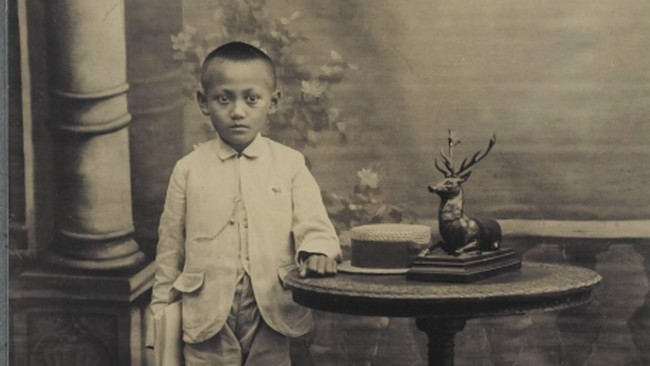
Amid widespread scrutiny of the lavish lifestyles of some elite circles, a different story comes from Soesalit. Despite being the child of an influential figure in Indonesia, he consciously chose a path far removed from the glitter of power and instant privilege. Soesalit suddenly drew public attention for his steadfast principles. He refused to flaunt or exploit his parents’ famous name to smooth his way in life or gain special advantages. Instead, he willingly embraced simplicity and endured economic hardship.
Soesalit’s name is not as well known as that of his mother, R.A. Kartini. However, the obscurity of his name stemmed from his own decision not to climb the ladder of success on the back of his mother’s reputation. In his time, Soesalit was a fortunate child. He was born into an official’s family, as his father, Raden Mas Adipati Ario Djojadiningrat, served as Regent of Rembang. History also records that his mother, Kartini, became a great figure for her visionary thinking ahead of her time.
Nevertheless, Soesalit refused to rely on his parents’ famous name to make his way in life. Wardiman Djojonegoro, in Kartini (2024), recounts that Soesalit was actually entitled to succeed his father as regent. However, he firmly declined. Many relatives repeatedly urged him to take up the position, but his answer was always a refusal. Instead, he chose to join the military in 1943. He was trained by the Japanese army and later joined the Pembela Tanah Air (PETA) volunteer force. When Indonesia gained independence, Soesalit became part of the People’s Security Army of the Republic of Indonesia. From there, his career gradually flourished.
According to Sitisoemandari Soeroto in Kartini: Sebuah Biografi (1979), Soesalit was involved in several battles against the Dutch, which led to rapid promotions and growing renown. The peak of his military success came in 1946, when he was appointed Commander of Division II Diponegoro, leading the most important troops tasked with guarding the national capital in Yogyakarta. He also held several civilian posts, including as an adviser to the Minister of Defence in the Ali Sastro cabinet in 1953.
At the time, few people knew that Soesalit was the child of the great Indonesian figure R.A. Kartini. He deliberately did not trade on his mother’s name. Throughout his life, Kartini’s story repeatedly served as an inspiration and was retold across generations about a woman who demanded equality through her letters. Even then, the song ‘Ibu Kita Kartini’ by W.R. Soepratman was already popular and widely sung.
Soesalit’s superior, General Nasution, witnessed how he never flaunted his parentage. Nasution observed that after leaving active duty, Soesalit chose to live in poverty as a veteran. He did not claim his veterans’ rights. Nasution, quoted from Kartini: Sebuah Biografi (1979), said Soesalit could easily have avoided poverty by stating that he was Kartini’s only son. Many people would have shown sympathy, potentially changing the life of the two-star general. However, Soesalit held fast to the principle instilled in him from the start: he would not reveal that he was Kartini’s descendant. As a result of this principle, the man born in Rembang remained poor until his death on 17 March 1962.
Source: jawawa.id (https://jawawa.id/newsitem/the-story-of-an-indonesian-officials-child-who-lived-in-poverty-1787377855)
Originally published by CNBC Indonesia (https://www.cnbcindonesia.com/market/20260822074232-17-761450/ada-anak-pejabat-ri-hidup-melarat-begini-kisahnya), translated from Indonesian