
The story of a woman from Nabire on the front lines against malaria
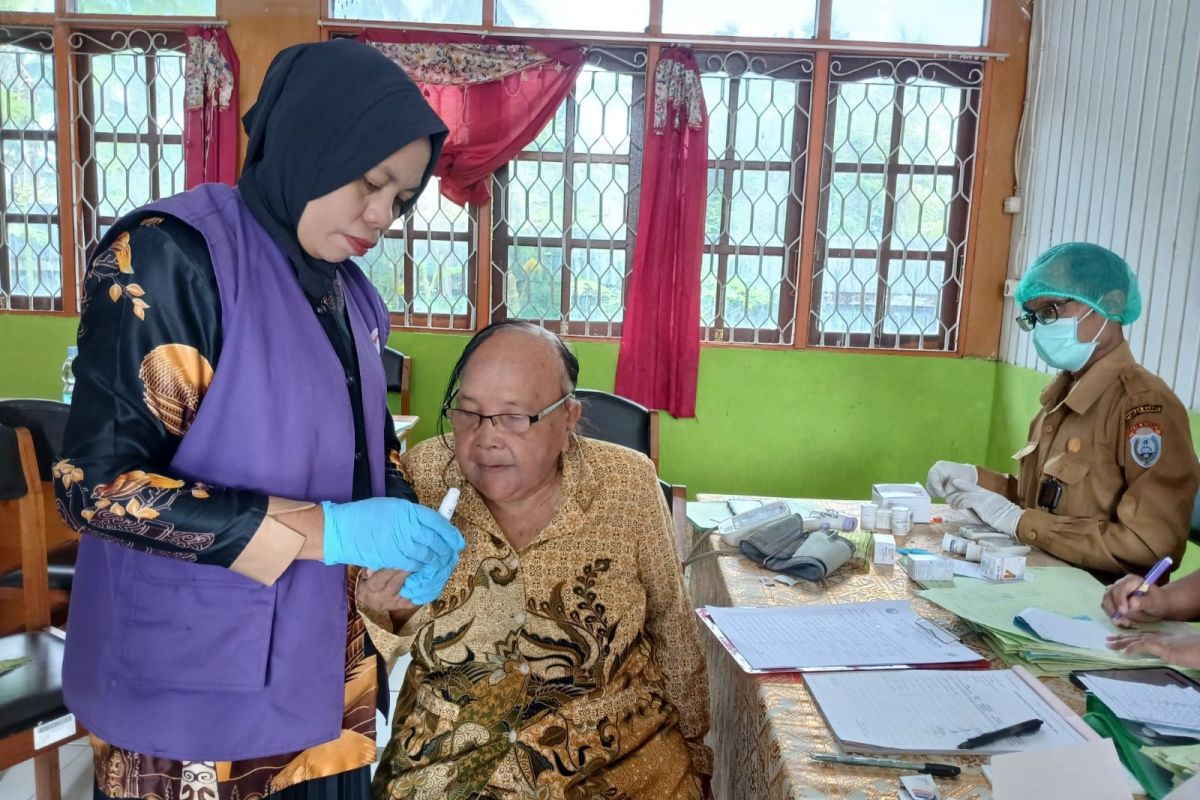
This morning in Kalisusu Village, Nabire Regency, a woman in a purple vest emblazoned with “Kader Perkasa” walks along a narrow alley towards a wooden house. Her name is Siti Ismawati Made. She carries no sophisticated equipment, just a small bag containing simple supplies and the knowledge she gained from training. At the door, she is greeted by the anxious family of the house owner. One family member is ill. Without much ado, Siti enters the room. A resident lies under a blanket. “Fever? Chills?” Siti asks softly. Those simple questions mark the initial step. She then advises the patient to be taken to the community health centre immediately, suspecting malaria symptoms. Before leaving, Siti reminds the family to maintain cleanliness around the home. For Siti, such visits are part of her routine. If there is no schedule at the integrated health post, she makes time to visit homes when receiving reports from residents. Frontline woman Born in Nabire on 23 March 1979, she is now known as a health cadre in her community. She lives on Ambon Street, Kalisusu Village, Nabire District, Nabire Regency, Central Papua Province. Siti’s dedication began after the COVID-19 pandemic, when she attended malaria cadre training in Nabire. Over time, her role has expanded. “We used to be just malaria cadres. Now we’ve become Kader Perkasa, focusing on malaria, TB, and HIV/AIDS,” she said, when met by ANTARA at her home, coinciding with World Malaria Day on Saturday (25/4/2026). In Kalisusu, she is not alone. There are three cadres working together. They monitor eight neighbourhood units in the area, coordinating with Karang Mulia Community Health Centre. If there is a malaria case report from the health centre, they immediately go out to check the patient’s surroundings. Not just treating, but also seeking sources of transmission. Challenges The path Siti treads is not always smooth. At the beginning, not all residents accepted the presence of cadres. Some rejected them, even disbelieved. However, Siti’s consistent dedication gradually changed that stigma. Now, trust is growing, and as a result, residents’ understanding of malaria is improving, but other challenges arise. “For HIV/AIDS, many are afraid to report. They feel ashamed,” Siti said. Yet, according to her, education and treatment are vital to prevent disease spread. She noted that TB and HIV/AIDS cases in Nabire remain quite high. Nevertheless, Siti continues to work in the field. She believes change does not come in a day. A few days earlier, she examined a gold panner in the Kali Harapan area. Initially, the person claimed no malaria symptoms. But after examination, the result was positive for tropical malaria. She advised the patient to undergo a health check at the community health centre to determine the severity. Behind her enthusiasm, Siti admits there are still limitations. Field equipment is not yet adequate, especially for follow-up examinations. She hopes the government continues to provide more support for health cadres.