
The State of Oman and Middle Eastern Silent Diplomacy
This phenomenon raises an interesting question: why is Oman so trusted by two parties that have been hostile towards each other for more than four decades? The answer lies in Oman’s unique position within the Middle Eastern geopolitical landscape. Unlike many other countries in the region that are often involved in regional political and security competitions, Oman has chosen a path of moderation and balance.
In international relations studies, such an approach is often referred to as balanced diplomacy—a strategy of maintaining good relations with various opposing parties without becoming trapped in a specific political bloc. Through ‘shuttle diplomacy’, Oman acts as a communication bridge, allowing both sides to exchange messages, proposals, and responses without direct confrontation. This role has been vital since the 1979 Iranian Revolution, as direct communication between Washington and Tehran has often been difficult.
Oman has consistently built a reputation as a neutral and non-confrontational nation. While countries like Saudi Arabia, the United Arab Emirates, or Qatar are often perceived to have specific geopolitical agendas in regional conflicts, Oman tends to take a more cautious stance. This reputation was strengthened when it was revealed that the secret negotiations forming the foundation of the 2015 Iran nuclear deal took place in Muscat. Since 2012, Oman has facilitated a series of closed-door meetings between US and Iranian officials, paving the way for the Joint Comprehensive Plan of Action (JCPOA).
For Iran, Oman is viewed as a neighbour that does not threaten its national security. Conversely, the United States maintains a strong relationship with Oman, viewing it as a key security partner in the Gulf. This rare diplomatic capital—being trusted by both Iran and the US—is driven not only by idealism but by clear national interests. Regional stability is a strategic necessity for Oman’s economy; any major conflict in the Gulf would directly impact Oman through disruptions to trade, investment, and domestic stability.
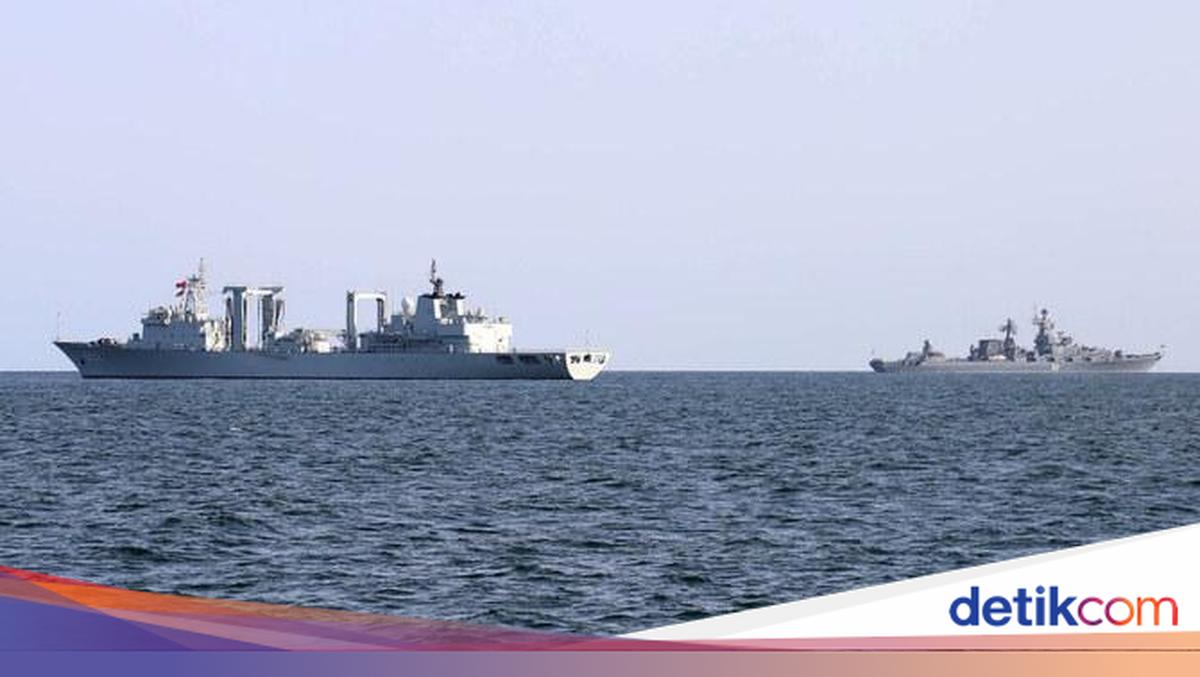
Geographical factors further reinforce this interest. Oman sits at the entrance of the Strait of Hormuz, one of the world’s most strategic maritime chokepoints. Alongside Iran, Oman plays a crucial role in monitoring the sea lanes that serve as the lifeblood of global energy trade, with approximately one-fifth of the world’s oil trade passing through this strait daily. Any tension in Hormuz immediately impacts international markets, energy prices, and global financial stability.
Consequently, Muscat is often dubbed the ‘capital of Middle Eastern silent diplomacy’. Unlike international conferences filled with media scrutiny and grand political statements, Oman’s approach relies on ‘quiet diplomacy’—resolving conflicts through calm, closed-door communication with minimal publicity. This pattern remains evident during periods of heightened Iran-US tension, where Muscat provides a space for dialogue when military threats and political rhetoric dominate global headlines. Oman’s case demonstrates that in international relations, power is not always defined by military or economic might, but by the invaluable asset of trust.