
The Sound of Sewing Machines and New Hope in a Former Red-Light District
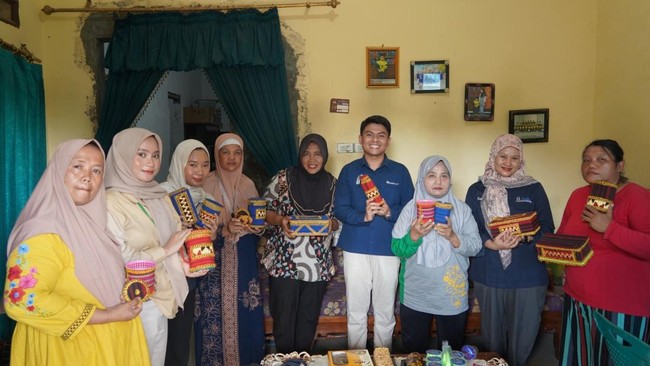
The sound of sewing machines is now heard more frequently in the outskirts of Panjang District, Bandar Lampung. Behind the rhythmic noise, women’s hands are weaving something more than just fabric. The area, previously known as PMD or Pemandangan and long stigmatised as a red-light district, is slowly transforming. This change did not come from outside; it grew from the hands of around 30 women in the Tapis Melati group. Within this community, they learn, endure, and slowly find their way back. With their own hands, they weave tapis cloth—a traditional Lampung fabric rich in cultural significance and passed down through generations. For them, tapis is more than fabric. Each embroidered thread tells a story of patience, perseverance, and hope for a better life. Amidst the stigma that has long shadowed their homes, these women choose to fight back through their craft. However, the journey has not been easy. Limited production tools pose the main challenge. Some sewing processes are still done in rotation with makeshift equipment, slowing production as demand grows from events and exhibitions across Bandar Lampung. When Their Struggle Was Seen The Tapis Melati group’s efforts reached PT Bukit Asam (Persero) Tbk (PTBA). Through its Tarahan Port division, the company provided four sewing machines to support the group’s production activities. For Tapis Melati, this support goes beyond mere tools—it is a symbol that their struggle is seen and valued. For PTBA, backing the tapis craft centre in the former red-light district is part of the company’s commitment to fostering community economic independence through the creative economy sector. “We see the spirit of change emerging from the community, particularly women, to rise and build more positive, productive, and dignified livelihoods. Through skill development, production support, and promoting locally-based cultural enterprises like tapis cloth, we hope to create new economic opportunities that sustainably improve community welfare,” said PTBA Corporate Secretary Eko Prayitno in a statement on Tuesday (26/5/2026). He stressed that collaboration and community empowerment are key to inclusive social transformation, as well as preserving local cultural heritage to maintain its economic value. From Thread to Hope The production house now feels more vibrant. New machines hum, speeding up tapis and derivative product creation. Group members’ confidence is growing as they innovate with fresh, marketable designs. Their hope is simple: for these handwoven tapis to gain wider recognition and pave the way for better economic lives for their families. For Lampung’s people, tapis holds cultural value, life philosophy, and symbols of local honour and pride. Preserving it means safeguarding a heritage that has thrived long before their birth. In an area once looked down upon, this heritage has become a path for social change. Women who once lived under the shadow of stigma are slowly rebuilding their future with threads of hope. Each piece of tapis sewn, these women weave back their dignity and future.
Source: jawawa.id (https://jawawa.id/newsitem/the-sound-of-sewing-machines-and-new-hope-in-a-former-red-light-district-1779924212)
Originally published by CNBC Indonesia (https://www.cnbcindonesia.com/news/20260526170831-4-738204/suara-mesin-jahit-dan-harapan-baru-di-kawasan-eks-lokalisasi), translated from Indonesian