
The Significant Role of Pesantren, Before and After Independence
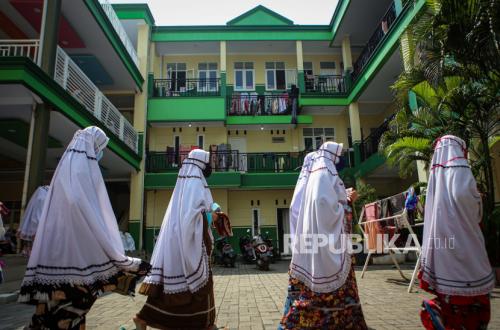
At the age of 81 years of independence of the Republic of Indonesia, we are reminded once again: this independence was not born from a vacuum. There was blood, prayer, and upbringing. And one of the wombs of civilisation that has most consistently produced fighters, scholars, and statesmen is the pesantren.
Therefore, the commemoration of Indonesian independence essentially affirms the undeniable and significant contribution of pesantren to nation-building, from before and after Indonesian independence until now and beyond.
Moreover, pesantren serve as a bastion of the nation’s moral defence. Pesantren are likened to nails, to pegs anchoring the earth for the mountains, without which the earth would shake. Likewise, without pesantren, a nation would become fragile.
For this reason, it is only proper that the stewards of this nation give special attention to the existence of pesantren. Thus, when there are parties who discredit pesantren, the government is obliged to be at the forefront in providing defence, and it is fitting for the state to allocate funds from the national budget for pesantren. Consequently, a television station that has discredited pesantren should not merely be boycotted, but more than that, its licence should be revoked.
The development of education plays a very important and strategic role in nation-building, so much so that from the outset the nation’s founders outlined it as one of the goals of the state in the preamble to the 1945 Constitution, namely to educate the life of the nation and promote the general welfare. Even before this nation became independent, Ki Hajar Dewantara, as the Father of Education, stated that it is through education that Indonesians can become advanced and civilised, enabling them to associate, stand equal, and be recognised among the nations of the world.
Pesantren are the oldest Islamic educational institutions in Indonesia, and they have made a significant contribution to the development of national education. Their birth also came from the grassroots (read: from, by, and for the community). This is unlike most other educational institutions, which typically arise from government initiatives. The existence of pesantren, besides serving as a centre for religious and moral education, is also a bastion of national defence in upholding the values of goodness.