
The Secret of the 'Lindy Effect': Why Warren Buffett Invests in 60-Year-Old Businesses
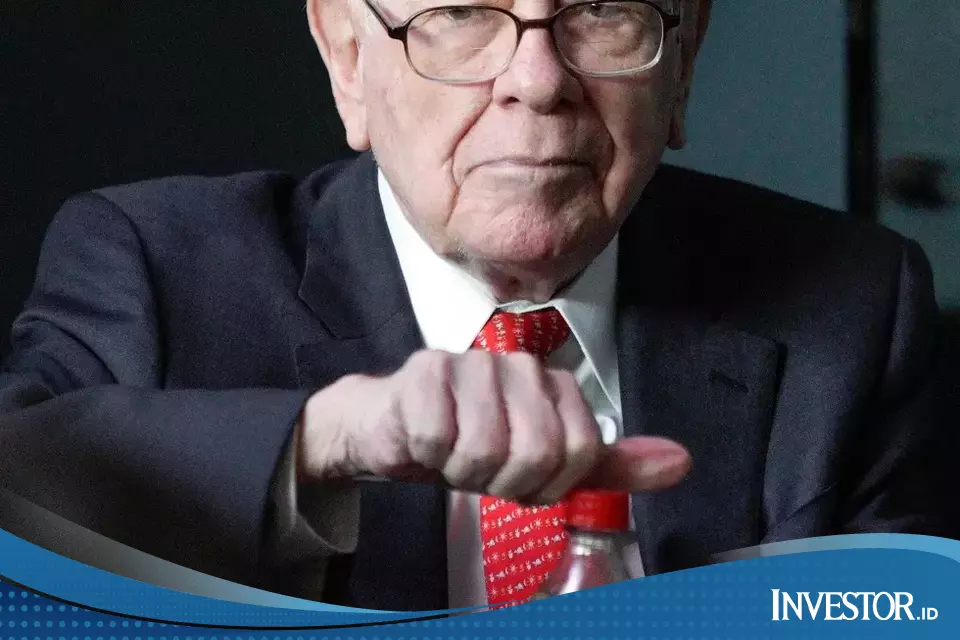
At a Broadway deli called Lindy’s in the 1960s, a group of comedians held a unique theory. They believed that a comedian’s career which had lasted 10 years would most likely last another 10 years. This simple rule later became known as the ‘Lindy Effect’. Who would have thought that the philosophy from these comedians’ late-night chats would become the foundation of success for one of the world’s greatest investors, Warren Buffett. For 60 years, Buffett has consistently applied this principle to build his wealth.
The Lindy Effect reverses common assumptions in the modern business world. We often fall into the trap of thinking that new things, such as the latest technology or viral start-ups, are the safest choices. However, for something that will not ‘rot’—like an idea, a book, or a company—age is proof of resilience. Each additional year a business successfully navigates is new evidence that the company is difficult to ‘kill’. While perishable goods (like food) get closer to their expiry date as they age, a strong business becomes more robust over time.
If you examine Buffett’s portfolio, you will find a pattern: he favours long-established companies. Coca-Cola (since 1886), the chocolate company See’s Candies, and even the railway and furniture industries. For Buffett, a great business is one that has a ‘moat’. He seeks a competitive advantage that can withstand recessions, wars, and changing times. ‘Time is the friend of the wonderful business, the enemy of the mediocre,’ Warren Buffett wrote in his shareholder letter. Buffett’s investment strategy is very simple. He prefers to pay a fair price for a truly quality company rather than get trapped in ‘cheap’ stocks that lack long-term resilience. For Buffett, patience is the main strategy. He often does nothing (lethargy bordering on sloth) while other investors are busy moving in and out of the market. He argues that if you are not willing to own a stock for 10 years, do not even think about owning it for 10 minutes. By allowing quality companies to continue compounding, time works for the investor, not against them.
In the era of 2026, where instant information and investment tips flood mobile phone screens, many individual investors (particularly in derivative trading such as futures and options) suffer losses from chasing short-term trends. Instead of chasing the next big thing, investors are advised to use the Lindy Effect lens, asking themselves, ‘How long has this business survived?’ A business that has weathered various economic cycles has provided valuable information about its resilience, something a newly listed company that debuted on the exchange yesterday afternoon cannot offer. Amidst the rapid digitalisation of capital market access, there has been a surge in retail investor participation in various countries, including India and Indonesia. However, the ease of transacting is often accompanied by an instant investment culture that ignores long-term fundamental analysis. Many novice investors get trapped in high-risk, high-frequency trading. The Lindy Effect concept serves as a reminder to the public that amidst wild market fluctuations, calmness, patience, and the ability to distinguish between fleeting trends and enduring businesses remain the best compass for safeguarding the health of future financial portfolios.