
The Secret Behind Putin's Sudden Decision to Halt the War for Easter
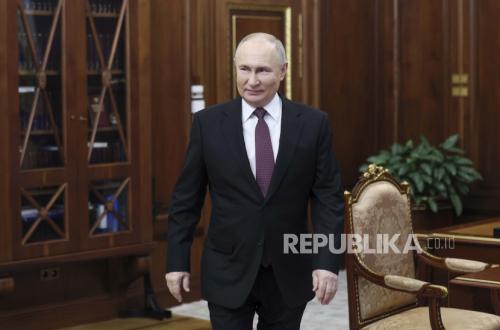
When combat equipment began to dominate the defensive trenches, a surprising order came down from the Kremlin’s desk. Vladimir Putin called for the weapons to fall silent. But is this purely for the sanctity of Easter, or part of a larger geopolitical checkmate? Russian President Vladimir Putin has directly ordered the temporary suspension of military operations across the Northern Military District in observance of Orthodox Easter. The instruction was conveyed to Defence Minister Andrei Belousov and Chief of the General Staff Valery Gerasimov as part of a measure claimed to be humanitarian in nature. “In connection with the upcoming Orthodox Easter holiday (the Radiant Resurrection of Christ), a ceasefire is announced from 4:00 PM on 11 April until the end of the day on 12 April,” the Kremlin reported, as covered by RT and RIA Novosti. However, behind the reassuring statement lies a high level of vigilance. Moscow stated that this step is taken on the assumption that the Ukrainian side will comply. At the same time, Russian forces have been ordered to remain fully on alert to anticipate any possible provocations on the ground. This announcement comes amid conflict dynamics that have not fully subsided. The day before, Ukrainian President Volodymyr Zelenskyy had called for a broader ceasefire, in line with evolving global context, including the easing of tensions between the United States and Iran. The Kremlin responded in a firm tone, stating that Kyiv should not merely call for a combat pause but demonstrate seriousness in the peace negotiation process. Past experience provides an unavoidable backdrop. The previous year, Russia also announced an Easter ceasefire, which was said to have been accepted by the Ukrainian side. However, after that period ended, the Russian Ministry of Defence reported more than 4,900 violations attributed to the Ukrainian side. This record casts a shadow of scepticism over this year’s ceasefire.