
The Ruling on Performing Hajj Multiple Times According to the Four Schools of Islamic Law
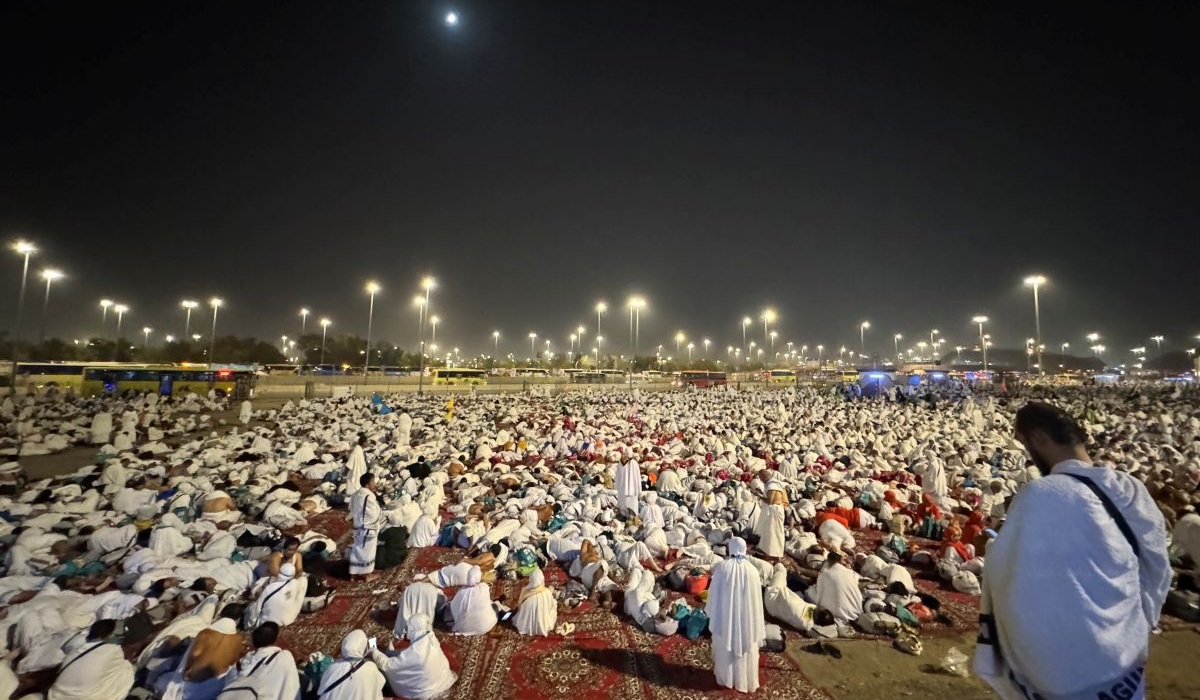
Pilgrims are advised to reduce activities outside the Arafah tents. Hajj is the fifth pillar of Islam, obligatory once in a lifetime for every Muslim who is able (istitha’ah). However, questions arise regarding the ruling on performing Hajj a second, third, or subsequent time. Generally, scholars agree that the obligatory Hajj is only once, with subsequent pilgrimages being voluntary (tathawwu’). The legal basis for Hajj being obligatory only once is derived from a hadith narrated by Imam Muslim. When the Prophet Muhammad (PBUH) instructed Hajj, a companion asked, ‘Is it annually, O Messenger of Allah?’ He replied, ‘If I said yes, it would become obligatory every year and you would not be able to comply. Hajj is once; the rest is voluntary.’ The Maliki school considers multiple Hajj a virtuous act, but notes important social conditions. In regions experiencing famine or urgent needs for Muslims (such as jihad or public welfare), donating the cost of a voluntary Hajj is deemed more meritorious than undertaking a second pilgrimage. However, the Shafi’i school also stresses the importance of considering others’ rights. If a voluntary Hajj causes neglect of more pressing obligations, it may become disliked (makruh) or even prohibited (haram). They state that if the poor person is a relative or in dire need, charity is preferable. Otherwise, Hajj is more meritorious as it involves both physical and financial devotion.
Source: jawawa.id (https://jawawa.id/newsitem/the-ruling-on-performing-hajj-multiple-times-according-to-the-four-schools-of-islamic-law-1780040961)
Originally published by Media Indonesia (https://mediaindonesia.com/humaniora/894541/hukum-naik-haji-berkali-kali-menurut-empat-mazhab-penjelasan-lengkap), translated from Indonesian