
The Romance of Paris and the Arithmetic of Prabowo's Diplomacy
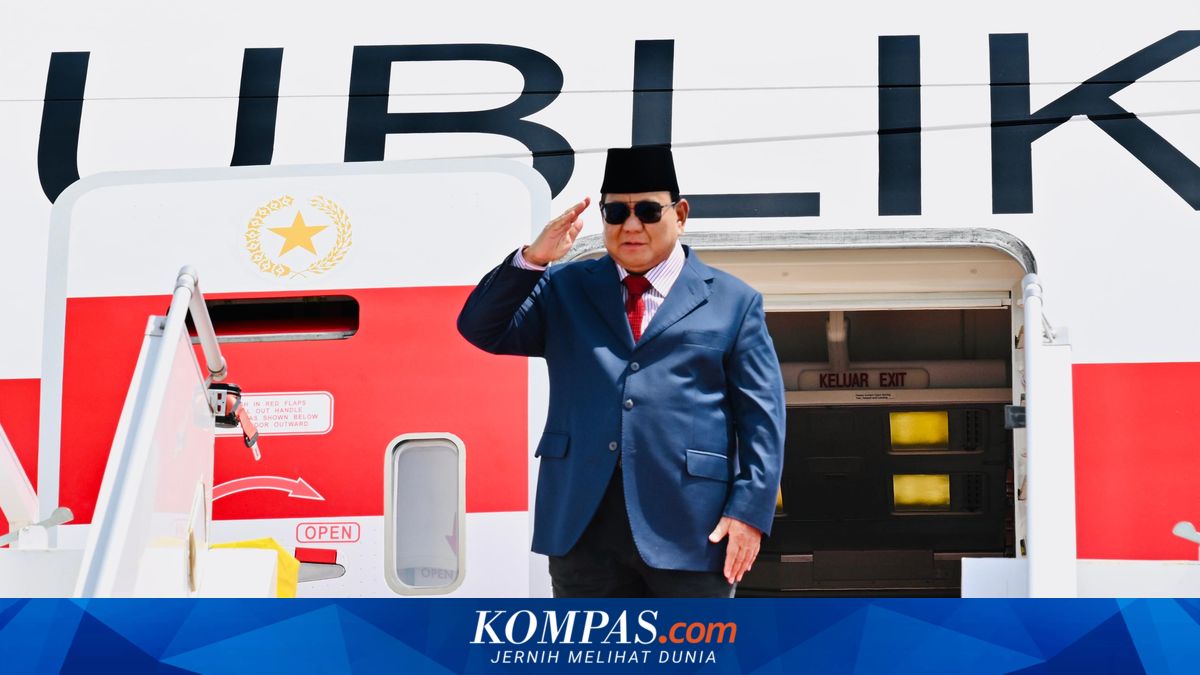
President Prabowo Subianto’s state visit to France in late May 2026 has drawn significant public attention. Interestingly, this scrutiny is directed not at France itself, but at the frequency of the President’s overseas trips, which are perceived as excessive.
Senior diplomat Dino Patti Djalal noted that since his inauguration on 20 October 2024, one out of every six days of Prabowo’s term has been spent abroad, a pattern he described as unusual and beyond the bounds of normalcy. By the end of May 20lar 2026, the President had reportedly visited approximately 28 countries across 49 trips, accumulating roughly 95 days abroad—an average of nearly three visits per month throughout his nineteen months in office.
The question arises: is the domestic public criticism, and even critiques from foreign media such as The Economist, which labels Prabowo as “too extravagant,” justified? And what is actually being gained from all these journeys?
Critics are not wrong to question the costs. According to Dino, a single head-of-state trip can cost tens to hundreds of billions of rupiah, covering advance teams, aircraft rentals, hotels, logistics, security, and daily allowances for delegations. Amidst a weakening rupiah and sluggish purchasing power, such figures naturally spark questions regarding national priorities.
However, evaluating diplomacy solely through the lens of budget or style is an oversimplification. There are at least four layers of meaning inherent in a head-of-state’s visit, all of which are useful when weighing the benefits of the visit to France.
First, the symbolic-protocol meaning: the physical presence of a president serves as a political signal that a relationship is considered important. Second, the substantive-transactional meaning: visits serve as a stage for signing agreements, securing investments, and strategic procurement. Third, the geopolitical meaning: visits position a nation within the global power map. Fourth, the personal-leadership meaning: the rapport established between leaders often acts as the lubricant for future cooperation.