
The Role of the Ministry of Transportation in Supporting National Economic Growth
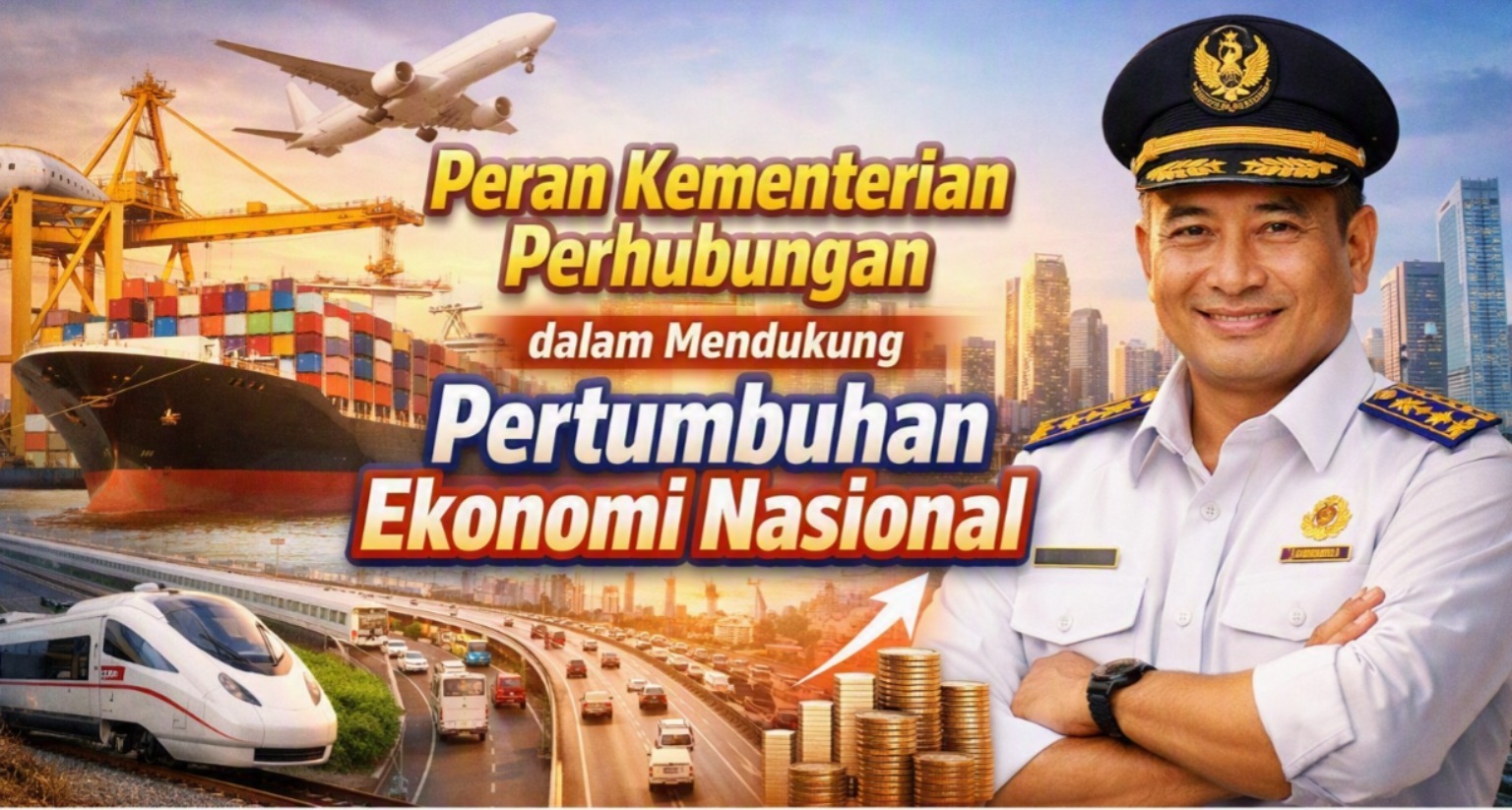
The Ministry of Transportation plays a crucial role in supporting national economic growth through the provision of safe, integrated, and efficient transportation systems. The mobility of people and the distribution of goods cannot function optimally without adequate transport infrastructure. Consequently, various policies and programmes implemented by this ministry have a direct impact on trade, investment, tourism, and regional development. Improved transport connectivity increases the opportunities for community welfare and Indonesia’s global competitiveness.
Increasing Inter-regional Connectivity
One of the primary tasks of the Ministry of Transportation is to enhance connectivity between regions through the development of land, sea, air, and railway transport. Interconnected transport infrastructure facilitates the movement of people, goods, and services across various areas. This condition can reduce distribution barriers, making economic activities faster and more efficient. Previously hard-to-reach areas also gain opportunities for economic development.
In addition to accelerating mobility, good connectivity also promotes equitable development. Remote areas can more easily access markets, education, healthcare, and other essential services. This opens new business opportunities for local communities while increasing investment attractiveness. Thus, transport development does not only support major cities but also strengthens economic growth throughout Indonesia.
Driving Smooth Goods Distribution and Logistics
An efficient transportation system is a key factor in smoothing the distribution of goods across Indonesia. The Ministry of Transportation continues to improve the quality of ports, airports, roads, and railways to ensure that the delivery process is faster and more punctual. Smooth distribution helps businesses meet market demands more effectively, leading to increased productivity in the trade and industrial sectors.
Lower logistics costs also provide benefits to both producers and consumers. Goods prices become more competitive as shipping costs can be suppressed. This condition enhances the competitiveness of domestic products in both national and international markets. Therefore, strengthening the logistics system is a strategic step in bolstering national economic growth.
Supporting Tourism Sector Growth
Comfortable and safe transportation is a vital factor in the development of the tourism sector. Through the construction of airports, ports, terminals, and other transport networks, the Ministry of Transportation helps tourists reach various destinations more easily. Improved access increases the number of both domestic and international tourist arrivals, which has a positive impact on regional revenue.
The growth of the tourism sector also encourages the development of supporting businesses such as hotels, restaurants, local transport, and micro-enterprises. As more tourists arrive, the opportunity for new job creation increases, and the economic activity of communities around tourist destinations rises. Thus, transport development serves as a primary driver for the development of Indonesia’s tourism industry.
Improving the Investment Climate and Business World
The availability of modern transportation provides confidence to investors to inject capital into Indonesia. The Ministry of Transportation continues to develop infrastructure to create more efficient and reliable transport networks. Investors tend to choose regions with good transport access because it can reduce operational costs, leading to the further development of various industrial zones.
In addition to attracting new investment, high-quality transport supports the smooth running of daily business activities. Companies can transport raw materials and finished products more quickly. This efficiency increases productivity and strengthens the competitiveness of Indonesian companies. Ultimately, increasing investment will contribute to national economic growth.
Maintaining Safety and Quality of Transport Services
Transport safety is a top priority in every policy of the Ministry of Dispt. Various regulations, supervision, and improvements in operational standards are implemented to reduce the risk of accidents across various modes of transport. Safe transportation increases public confidence in travel and business activities. Security is also a vital factor for investors and tourists.
Beyond safety, the quality of public services continues to be improved through the digitalisation of services and human resource development. Fast, transparent, and professional services ensure a better transportation experience for the public. The continuous improvement in service quality will strengthen the effectiveness of the national transport system, leading to sustainable economic productivity.
Conclusion
The Ministry of Transportation makes a significant contribution to supporting national economic growth through infrastructure development, enhanced connectivity, the strengthening of logistics systems, and the development of safe and efficient transport services. The various programmes implemented not only facilitate public mobility but also strengthen the trade, tourism, investment, and industrial sectors. With an increasingly modern and integrated transport system, Indonesia has a greater opportunity to increase its competitiveness on a global level. Therefore, the role of the Ministry of Transportation will continue to be a vital foundation in achieving inclusive and sustainable economic development.