
The Role of SPHP Rice in Mitigating Food Price Volatility
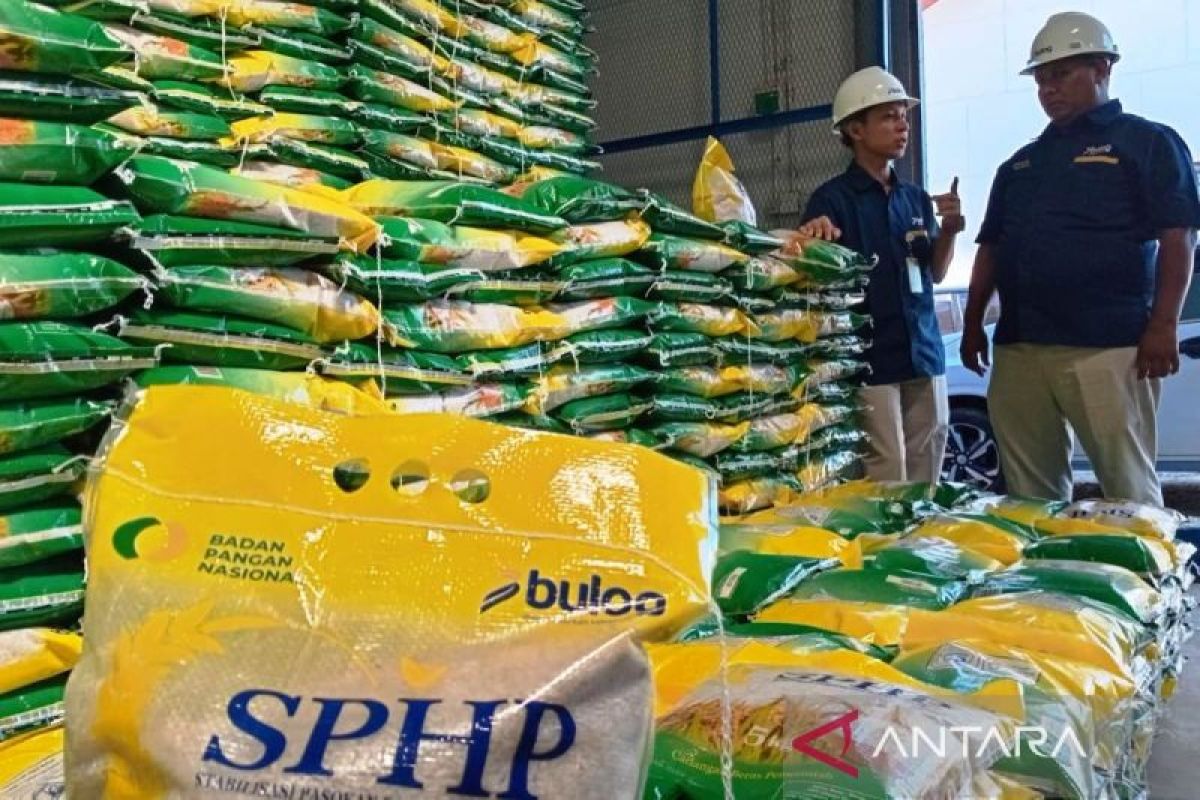
Jakarta (ANTARA) - SPHP rice (Food Supply and Price Stabilisation) emerges as a solution amid food price volatility. The introduction of this programme thus becomes one of the policy instruments that is not only technocratic but also rich in meaning of supportiveness. The programme is indeed designed to maintain rice price stability while ensuring that low-income groups still have access to decent and affordable staple food. With a reference price of around Rp13,500 per kilogram, SPHP acts as a bridge between public needs and the state’s responsibility in maintaining market balance. However, understanding SPHP cannot be limited to numbers and distribution alone. This programme is actually a reflection of the complex dynamics of the national food system. It operates amidst market price fluctuations, inter-regional supply imbalances, and distribution challenges that are not always smooth. Therefore, the dynamics are not merely changes, but interactions between various factors that determine whether the policy truly reaches those in need. The objectives of SPHP are very clear and strategic. First, to control rice prices to keep them stable. Second, to improve food access for low-income communities. Third, to strengthen national food security. And fourth, to reduce dependence on imports by ensuring domestic rice availability is maintained. If these four objectives are implemented consistently, they will form the foundation of an economy that is more resilient to shocks, especially in the highly sensitive food sector. Managed by Bulog A key question that often arises is whether SPHP rice is the same as Bulog rice? This is where the public needs clearer understanding. SPHP rice is part of the price stabilisation programme that can be sourced from rice reserves managed by Bulog, but not all Bulog rice automatically becomes part of SPHP. In other words, there is an overlap, but they are not identical. This understanding is important to avoid simplification that could obscure the function of each instrument in the national food system. In practice, SPHP dynamics are heavily influenced by several key factors. Changes in market prices, for example, can directly affect the programme’s effectiveness. If the price difference between SPHP rice and commercial rice is too wide, distortions will arise, both in terms of demand and distribution.