
The Role of Hajj in Igniting the Anti-Colonial Spirit
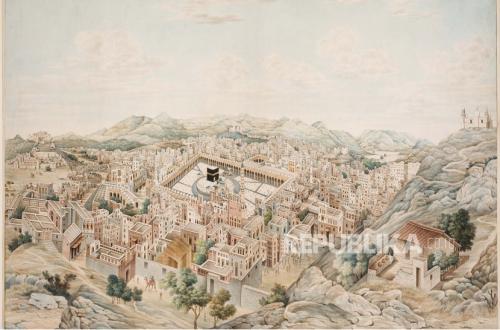
Makkah al-Mukarramah is not only the location of Masjidil Haram, which houses the qibla for Muslims worldwide: the Ka’bah. The birthplace of Prophet Muhammad SAW also played a transformative role. It was here that learned ulama from various corners of the world gathered to exchange information and develop religious sciences.
According to Prof Azyumardi Azra in his book, Jaringan Ulama Timur Tengah, nearly all Nusantara ulama who played a central role in the intellectual and social transformation of Indonesia since the 17th century AD were alumni of Makkah. Some of them also studied in Madinah al-Munawwarah. Thus, the Haramain as a whole can be seen as the trigger point for the birth of movements that awakened the ummah and the Indonesian nation in general.
The grip of Dutch colonialism strengthened in the 18th and 19th centuries AD. At the same time, the idea of pan-Islamism, calling for solidarity among Muslims worldwide, gained strength in Makkah. Nusantara hajj pilgrims helped spread this understanding upon returning from the Holy Land to their home regions. Unsurprisingly, during this period the Dutch faced considerable resistance in the archipelago, driven by hajj pilgrims and mursyids of various tarekat.
Of course, discussing Makkah is inseparable from the ritual of the fifth pillar of Islam. Every Muslim yearns to perform the hajj, at least once in a lifetime. This is the case for Muslims in Indonesia. For Indonesian Muslims, the desire to perform the hajj has always been immense, including during the Dutch colonial era. The enthusiasm to carry out this pillar of Islam grew in number year after year. This became a fact, especially after the Suez Canal in Egypt opened in 1869 and the subsequent arrival of steamship technology. This mode of transport greatly assisted the journey from Indonesia to the Arabian Peninsula—and vice versa. The hajj journey, which previously had to take months or years by sailing ship, could now be completed in just over a month.
Source: jawawa.id (https://jawawa.id/newsitem/the-role-of-hajj-in-igniting-the-anti-colonial-spirit-1781837750)
Originally published by Republika (https://khazanah.republika.co.id/berita/tguuvi458/peran-haji-dalam-gelorakan-semangat-antikolonial), translated from Indonesian