
The Rise of TOD Projects in Jakarta: Understanding Their Significant Impact
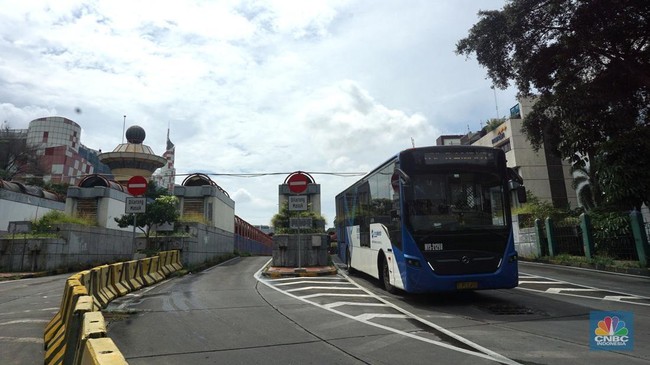
The Head of Research & Consulting at CBRE Indonesia, Anton Sitorus, views the growing prevalence of Transit-Oriented Development (TOD) projects in Jakarta as a vital development for the government, private sector, consumers, and property developers. While TOD has previously been viewed merely as a transport infrastructure initiative, the concept holds the potential to create new economic and urban growth by integrating public transport with residential areas, office buildings, shopping centres, and commercial zones into a single, interconnected district.
Currently, the role of TOD has evolved beyond offering transport integration; it has become a key mechanism for creating added value for districts and increasing property values. “Given current market conditions and trends, we see that TOD will not only serve as transport infrastructure but can act as a driver or factor in shaping property value. It is a transition from transportation infrastructure to property value creation, a phenomenon already observed in developed nations such as Singapore and Hong Kong,” Sitorus stated.
Beyond creating new growth centres, TOD is believed to support government programmes aimed at improving housing affordability. To this end, the government provides various incentives for developers undertaking TOD projects, such as increasing the Floor Area Ratio (FAR). This allows developers to construct taller buildings, thereby increasing the number of residential units and improving project efficiency.
Sitorus noted that TOD is also seen as a solution to Jakarta’s development challenges, specifically addressing the issue of urban sprawl. Denser urban development is expected to reduce traffic congestion and pollution levels. Furthermore, the benefits of TOD extend beyond the residential sector to include office buildings and retail centres. Office buildings connected to public transport are more likely to attract human resources, particularly the younger generation who frequently utilise public transit.
“Companies looking to target Millennial or Gen Z employees are increasingly considering this; rather than driving through traffic, they prefer access to public transport. TOD gives an advantage to office buildings within the CBD, as better accessibility attracts talent,” he added.
Additionally, shopping centres integrated into the TOD concept have the potential to see increased footfall, adding value to the surrounding area. Sitorus predicts that property appreciation in Jakarta will increasingly be driven by the quality of transport access rather than mere location. Areas with superior transport connectivity are poised to become new growth centres and magnets for investment in the property industry. “In short, we are talking about mixed-use developments—work, play, shop, eat, and sleep, all in one place. While economic and business growth remains intact, mobility is becoming more valuable, and this is where TOD can enhance Jakarta’s position in future urban development,” he concluded.