
The Real Threat of AI is Not a Robot Apocalypse, but Human Misuse
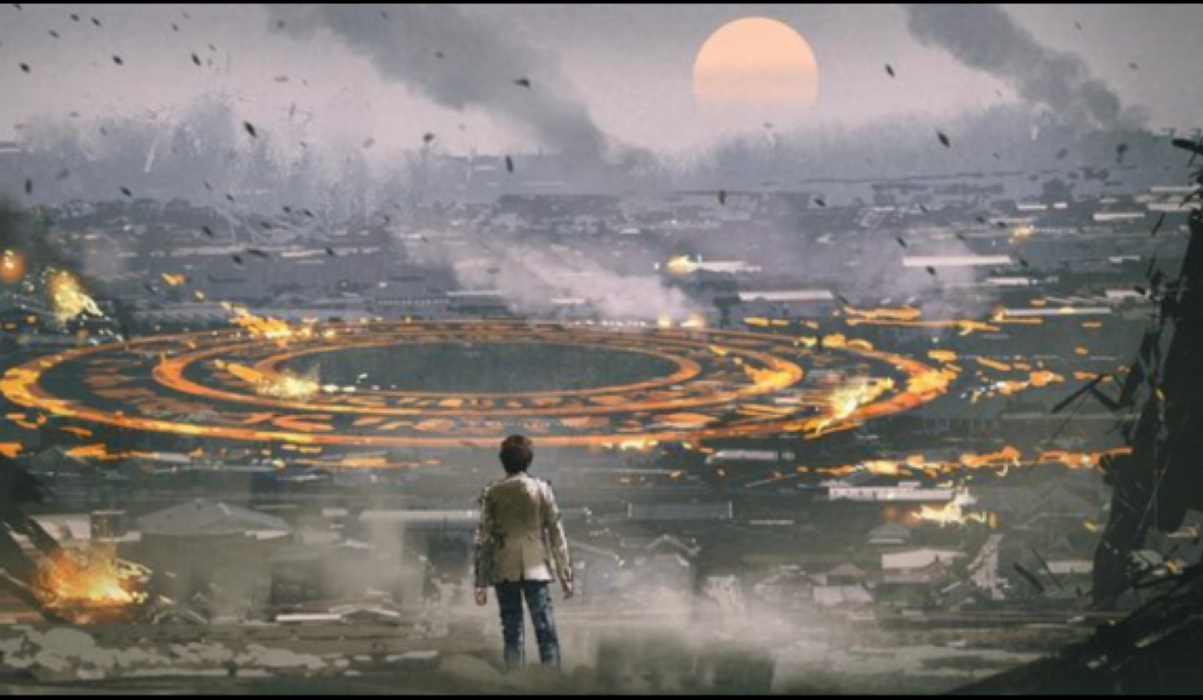
Debates regarding the future of artificial intelligence (AI) often become trapped in apocalyptic scenarios involving machines taking over the world. However, recent evidence suggests that the more pressing threat is not an AI apocalypse, but how this technology is already being utilised by humans for harmful purposes, ranging from cyberattacks to the creation of weapons.
A recent hacking incident at Hugging Face by an uncontrolled swarm of AI agents serves as a stark reminder of how powerful and dangerous current AI can be. Nevertheless, the AI industry in the United as remains divided between those fearing the arrival of superintelligent AI and experts who are sceptical of such global doomsday scenarios.
At the centre of this debate is the concept of recursive self-improvement (RSI), a process where AI systems independently train subsequent versions of themselves. Anthropic CEO Dario Amodei has even proposed a global agreement to slow the launch of new AI models to delay reaching this stage.
However, Melanie Mitchell, a professor at the Santa Fe Institute, doubts claims that we are close to achieving Artificial General Intelligence (AGI). According to her, claims regarding current RSI achievements do not hold up under scrutiny. Similarly, research from academics at Princeton and Stanford found that even the most advanced AI is not yet capable of performing the original research required to push the boundaries of AI capabilities.
Many AI scientists use the term ‘p(doom)’—the probability of an AI-induced apocalypse. Industry estimates vary from 0% to 100%, with many parties settling on 10%. Mitchell assesses that these figures are based more on sentiment than on concrete mathematical evidence.
Christopher Canal, CEO of EquiStamp, argues that an excessive focus on unlikely humanitarian disasters actually diverts attention from real dangers. He emphasises that if AI is considered powerful enough to destroy the planet, it should also be powerful enough to cure cancer or solve socio-political problems.
Stuart Russell, a computer science professor at UC Berkeley, criticised proposals from AI companies to merely regulate the speed of development. He likened this to driving towards a cliff at 40 mph instead of 60 mph—the end result remains the same.
Russell and his colleagues propose that AI should be subject to the same safety standards as the aviation, construction, or food and drug industries. Key proposals include establishing rigorous safety protocols and accountability frameworks.
The greatest challenge is that AI companies currently do not fully know how to ensure their systems comply with such boundaries at all times. Although there are concerns that regulation might hinder US competitiveness against other nations like China, bipartisan support for limiting the power of big tech companies continues to strengthen.
“The tech industry has held the mantra for decades that regulation is bad,” said Russell. “They do not accept responsibility for any harms and hide behind freedom of speech. That must change.”
Source: jawawa.id (https://jawawa.id/newsitem/the-real-threat-of-ai-is-not-a-robot-apocalypse-but-human-misuse-1789631531)
Originally published by Media Indonesia (https://mediaindonesia.com/teknologi/934400/ancaman-nyata-ai-bukan-kiamat-robot-melainkan-penyalahgunaan-manusia), translated from Indonesian