
The Real Test of the New Criminal Code: When Indonesian Law Prepares to Try International Crimes
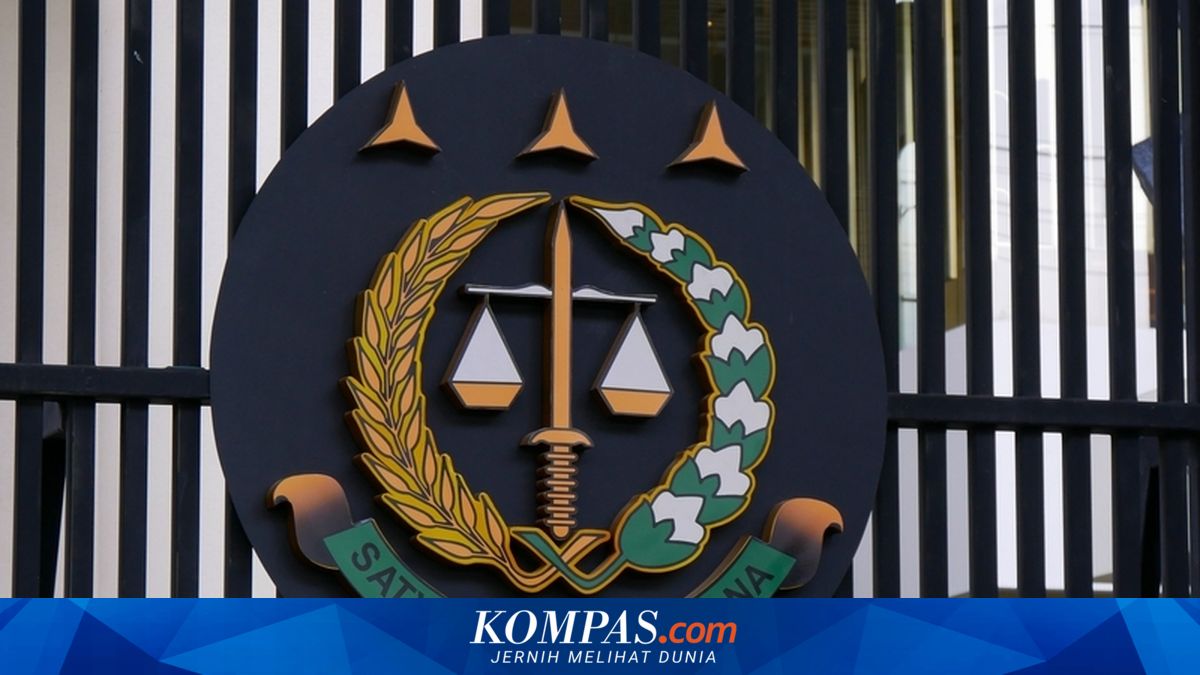
Since the enactment of the new national Criminal Code (KUHP), issues of international crimes have begun to appear on the desk of the Attorney General’s Office (Kejagung). At least two reports have emerged, namely allegations of international crimes in the Gaza-Palestine conflict, as well as accusations of genocide against the Rohingya ethnic group by Myanmar’s leader, Min Aung Hlaing. Criminal law expert from Trisakti University, Albert Aries, explained that the new KUHP indeed expands the scope of Indonesian criminal law through the introduction of the universal principle in Articles 6 and 7. These provisions normatively enable Indonesia to reach criminal acts that occur outside its territory, particularly crimes recognised as part of international law. He gave examples that crimes such as genocide and crimes against humanity have been adopted into the national KUHP and are sourced from the Human Rights Court Law. Thus, under Indonesian law, there is indeed legitimacy to act against the perpetrators of such crimes, even if the acts occurred abroad. However, Albert warned that the application of the universal principle cannot be viewed simply. According to him, the principle of reciprocity means that the application of universal jurisdiction not only protects Indonesia’s legal interests but also opens opportunities for other countries to do the same. “So other countries could also question, for example, what if other countries interfere with what is happening in Papua with similar demands against Indonesia?” he said. In addition, although reporting to the Attorney General’s Office is the right of activists and campaigners, Albert emphasised the importance of understanding that the legality principle in Indonesian criminal law does not only serve a protective function but also has an instrumental dimension. “Activists need to understand that the legality of prosecution in Indonesia does not adhere only to a protective function but also an instrumental one, meaning the state is authorised to prosecute a criminal act but is not always obligated to do so,” he stated. In this context, the role of the Attorney General’s Office becomes very determining.
Source: jawawa.id (https://jawawa.id/newsitem/the-real-test-of-the-new-criminal-code-when-indonesian-law-prepares-to-try-international-crimes-1776149482)
Originally published by Kompas (https://nasional.kompas.com/read/2026/04/14/13281641/ujian-nyata-kuhp-baru-ketika-hukum-indonesia-bersiap-mengadili-kejahatan?utm_source=ABC&utm_medium=rss), translated from Indonesian