
The Real Test Begins When the Container Arrives at the Project Site
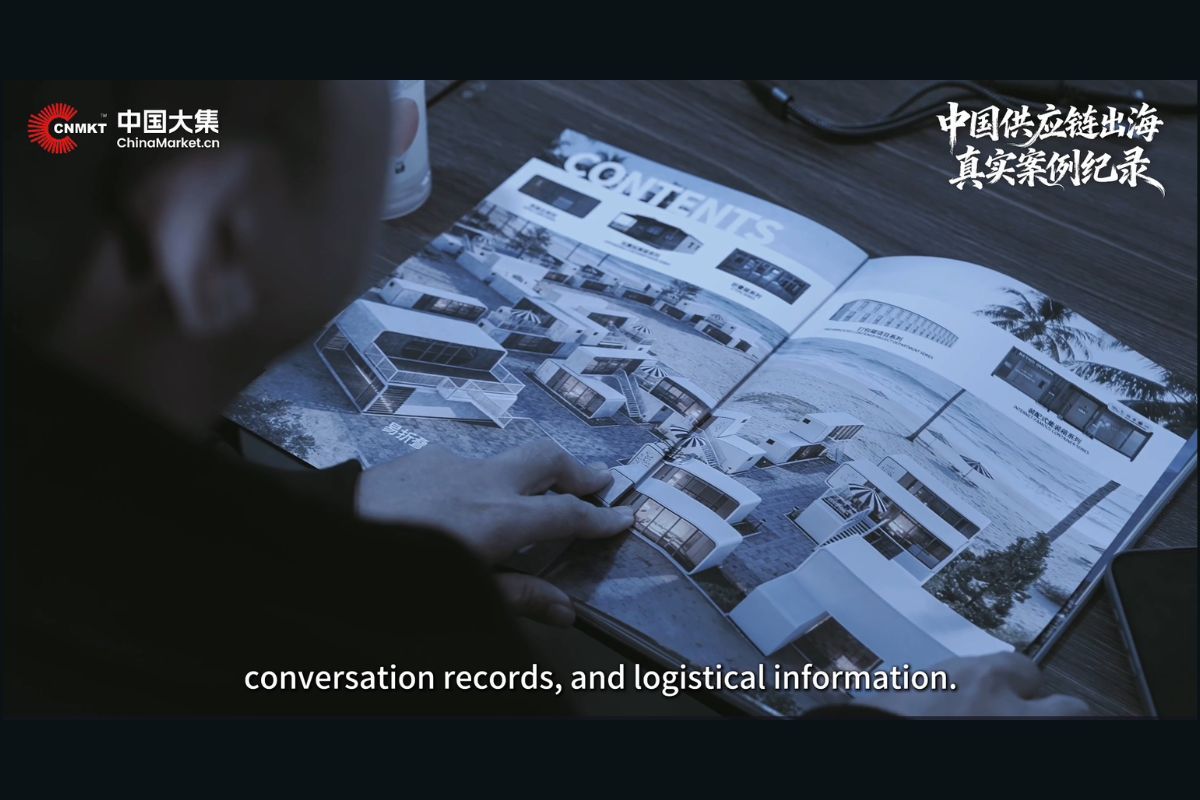
In cross-border modular building projects, the greatest risk is often invisible when the contract is signed. The risk only emerges when the container arrives at the project site. Across various sectors in Indonesia, such as mining, infrastructure, construction, and industry, demand for prefabricated and modular building systems continues to rise. Many project owners are beginning to seek overseas suppliers to accelerate procurement timelines while reducing capital expenditure requirements. However, experienced procurement teams understand one fundamental truth: a contract does not guarantee the project will proceed as planned. Shipment does not guarantee project success. Production does not always guarantee the reliability of the delivery process. Once the order leaves the factory, various uncertainties arise. Will the shipped products arrive on time amidst the complexities of international logistics? Will all structural components match the agreed technical drawings? Will critical materials remain in good condition after a long journey? And most importantly, did the supplier actually deliver the products as committed during negotiations? In many global-scale modular building projects, these questions are only answered when the container doors are opened at the project site.
Recently, a prefabricated building project in Indonesia reached this crucial stage. After undergoing production, export packaging, customs clearance, and cross-border shipping, the first container finally arrived on site. The next phase was not a ceremony, but a verification process. The engineering team and project managers immediately conducted a thorough inspection of the structural steel frames, wall and cladding systems, connection components, and installation accessories and supporting parts. Every component was meticulously examined and cross-checked against the technical drawings, packing lists, and established specifications. At this stage, the assessment is no longer about product appearance or document completeness. On-the-ground execution capability becomes the decisive factor. In cross-border construction projects, delivery success is not determined by what was shipped, but by what is actually verified in the field. After the inspection was declared successful, the project moved into the installation and implementation phase. In many modular construction projects, the actual performance of the products begins to reveal itself. Industry players assess that the greatest risk of failure in international construction projects does not stem from pricing factors. The risk generally arises from poor coordination, discrepancies during the installation phase, and the ability to resolve problems that emerge on site. Consequently, procurement patterns are now shifting. Project owners no longer select suppliers based solely on production capacity or unit price. They are beginning to seek partners who can guarantee project execution reliability from start to finish. This capability includes engineering alignment before production, quality control during the manufacturing process, cross-border logistics coordination, and technical support during installation and implementation. In Indonesia, modular buildings are widely used for mining complexes, worker dormitories, temporary offices, industrial facilities, and infrastructure expansion projects. For these applications, the ability to manage all these stages often becomes the determining factor between project success and delay. In this context, cross-border procurement is undergoing a more fundamental change. Project success is no longer measured by the goods that arrive inside the container. The benchmark is instead seen in what happens after the container is opened: whether all components can be properly assembled and integrated, whether the installation process can proceed without obstacles, and whether the project can operate as planned without avoidable risks.
This change is also influencing how ChinaMarket operates. ChinaMarket has built a supply chain network that ensures project execution by connecting qualified manufacturers in China with the implementation needs of projects in Southeast Asia. Rather than merely acting as a trade intermediary, ChinaMarket serves as a partner that helps ensure the success of cross-border project execution. This business model encompasses four main tiers: supplier qualification and engineering alignment, production monitoring and quality verification, logistics coordination and shipment management, and on-site installation support through local partners. By integrating all these stages into a coordinated system, ChinaMarket reduces uncertainty throughout the project cycle, from factory production to on-site installation. For project owners, this approach provides several key benefits: reducing the gap between commitments and on-the-ground realisation, increasing project schedule certainty, and strengthening confidence in the results of cross-border procurement.