
The Preacher of a Million Followers
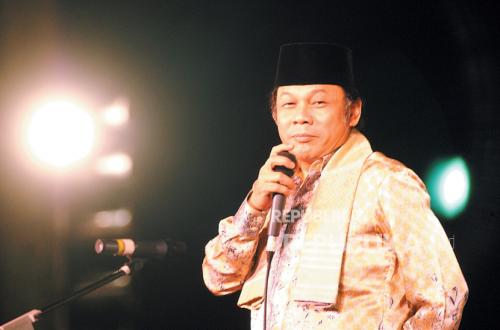
In the world of Islamic propagation in Indonesia, the figure of KH Zainuddin Hamidy Turmudzi is legendary. The mass media of his time crowned this ulama as the ‘Dai of a Million Followers’. He is more popularly known as KH Zainuddin MZ, with the final two letters referring to his father, Turmudzi. As explained in the book ‘Dakwah & Politik Dai Berjuta Umat’ (1997), KH Zainuddin MZ came from a native Betawi family. Born on 2 March 1952, he was the only child of Turmudzi and Zainabun. The family home was located in Gang Cemara, Kramat Pela, Kebayoran Baru, South Jakarta. Initially, KH Zainuddin MZ was a preacher known only in the Jakarta area and its surroundings. This changed when he was approached by the United Development Party (PPP). Ahead of the 1977 General Election, the PPP courted him to become a campaigner. At that time, Zainuddin was a close friend of Ridwan Saidi, the PPP’s campaign coordinator. From that election onwards, he frequently appeared on stage to campaign for the party. The audience could reach tens of thousands, especially with performances by the King of Dangdut, Rhoma Irama, whose focus on Islamic outreach further attracted the masses. It was here that KH Zainuddin MZ began to realise the immense potential of the Muslim community in the country. He recalled thinking about how these tens of thousands of people could be guided towards goodness, awakened from their neglect of devotion to Allah, and brought together to realise Islamic brotherhood. A year after the 1982 election, he began to leave the political stage. His reason was simply a desire for greater freedom in delivering religious messages. Since his association with the PPP, he had begun to be suspected of carrying certain practical political messages, especially as the predominantly green party was an opposition force against the government. The path to expanding his preaching reach remained wide open. A recording company offered him a collaboration, allowing his lectures to be documented on cassette tapes. As a result, all levels of society, both at home and abroad, could get to know him. Private radio stations began broadcasting recordings of his sermons. Some time later, television stations also invited him for live broadcast grand tabligh events.