
The Populist Commitment of the Student Movement
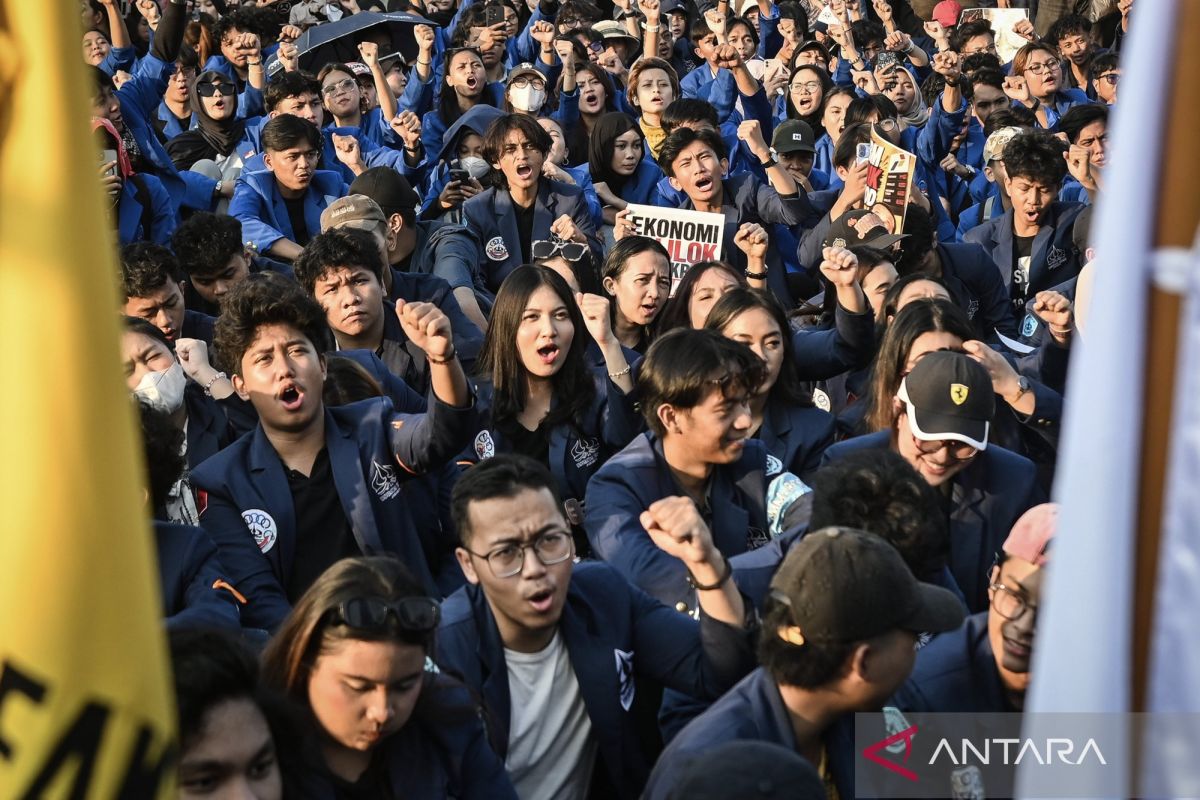
In a democracy like today’s, the government is open to receiving various inputs, even the harshest criticism, including from the student movement. One of the principles of democratic governance is providing space for citizens’ freedom of expression. This space has been demonstrated by the Prabowo-Gibran administration through its willingness to accept input from the student movement. The government appears to be fully aware that the student movement holds a strategic position, as it is always based on a commitment to the people. The populist commitment of student movement activists is a necessity, including when conveying criticism of the government’s populist programmes, such as the free nutritious meal (MBG) initiative. This is the strategic significance of the student movement, where the intelligence and intellect of students are always utilised to ease the people’s burdens, as experienced by the author during the New Order era. Every generation faces its own challenges. Today’s student movement activists also confront different challenges from previous generations. However, one thing remains the same: the foundation of their struggle is a commitment to the people’s interests. The populist commitment of student movement activists has proven to be a pillar of today’s civil society movement. They engage across a range of issues, from internal campus matters, labour, to human rights, and so on. One example is the involvement of the younger generation in the Kamisan Action, a peaceful movement held routinely every Thursday in front of the Merdeka Palace to voice human rights issues. Every student demonstration is born from a concern for policies deemed not to favour the people or that have the potential to cause social inequality. Criticism is part of democracy. When criticism is delivered through open dialogue, argumentation, and the exchange of ideas, it will produce more substantial solutions for the nation. Appreciation must be given to students who choose to discuss and debate directly with the leaders of state institutions. When several student elements convey their aspirations through dialogue and open debate, this step is considered to reflect the maturity of the student movement while reviving the intellectual tradition that has been the foundation of the Indonesian student struggle.