
The Politics of War: A Message from P.K. Ojong
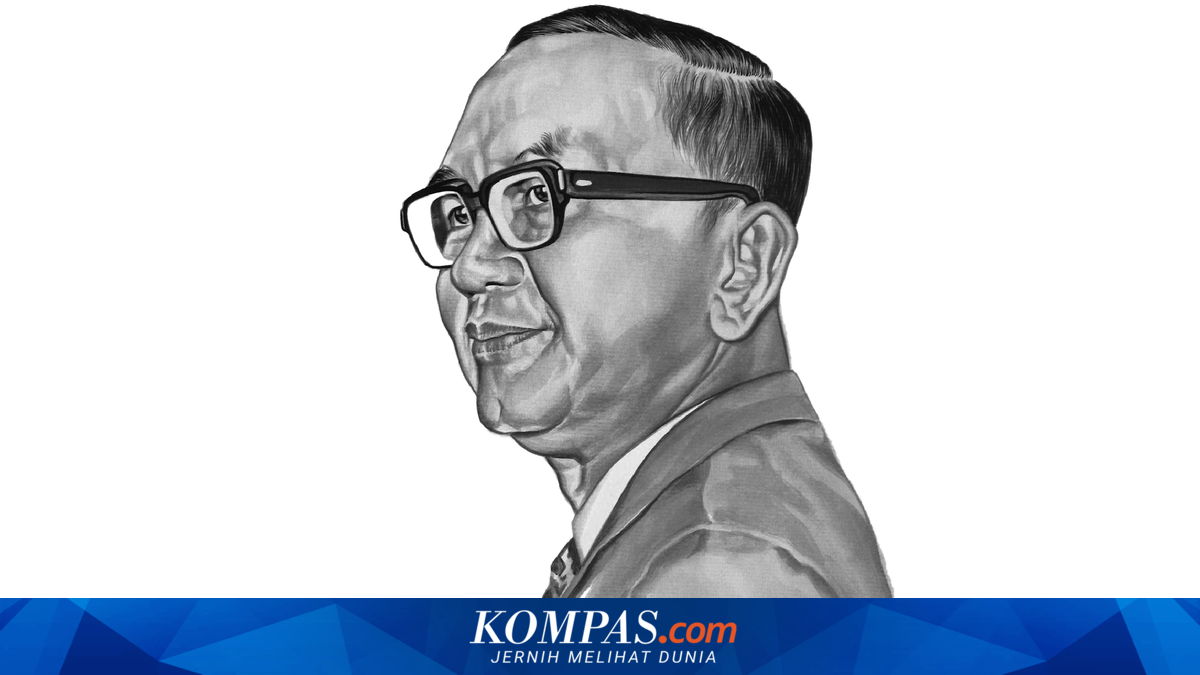
There is a significant insight in P.K. Ojong’s book Perang Eropa that mirrors our current era. When Ojong meticulously reconstructed how European nations were drawn into the two world wars of the 20th century, he was addressing something more profound than mere battle chronicles: the arrogance, miscalculations, and failure to read shifts in global power that can destroy civilisation within years. Ojong, co-founder of Kompas and an intellectual with acute historical sensitivity, wrote the book not merely as historical scholarship but as a warning. That warning is now more urgent than ever amid US-China rivalry, the ongoing war in Ukraine, tensions in the South China Sea, and a multilateral order increasingly eroded by unilateral power logic. One of Ojong’s deepest theses in his study of European wars is that major conflicts do not arise from rational decisions but from accumulated miscalculations shrouded in nationalism, fictitious alliances, and illusions of superiority. Major powers build antagonistic blocs, each convinced the other will not go further—until all act simultaneously. New alliances such as AUKUS, Quad, and I2U2 are emerging, while older frameworks like the G7 lose their global cohesion. Most concerning, as Ojong noted for pre-1914 and pre-1939 Europe, middle powers have little room to manoeuvre. They are forced to choose sides, submit to the pull of one power bloc, or—should they be slow—be excluded from the most critical negotiations. This is where Indonesia stands today. Since formally assuming the presidency in October 2024, Prabowo Subianto has demonstrated diplomatic moves that, when taken seriously, reflect an understanding that Indonesia can no longer afford passive adherence to the traditional ‘free and active’ foreign policy formula. The founding fathers’ ‘bebas-aktif’ meant freedom from bloc domination and active engagement in global peace-building. However, ‘active’ today cannot merely mean attending multilateral forums while avoiding substantive positions. Prabowo appears to grasp this; his visits to Washington, Beijing, Moscow (within humanitarian frameworks for Ukraine), and repeated trips to Paris reveal a deliberate architectural plan, albeit not yet fully transparent to the public.