
The Philosophy of Gudeg Jogja: A Reflection of Javanese Life Values
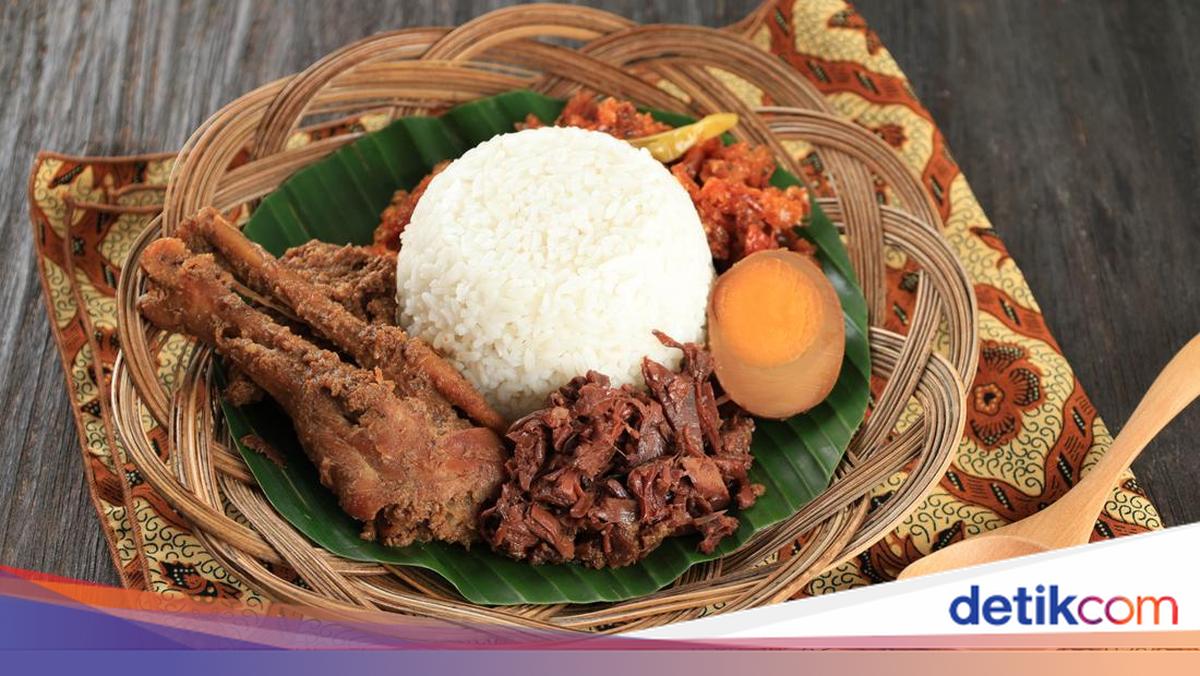
A city’s identity does not always take the form of a logo or slogan; sometimes it presents itself in clothing motifs or even a plate of food. Jogja, for instance, is inseparable from gudeg, which has become its most famous label.
In every corner of the city, gudeg can be found easily and at various prices. This dish, made from young jackfruit, can be enjoyed for breakfast, lunch or dinner.
Its reddish-brown colour reinforces Jogja’s identity as a region on Java renowned for sweet-tasting cuisine. Alongside the dish itself is embedded a philosophy that represents the Javanese way of life and the long history that has made its name.
Born in the Alas Mentaok Area
Gudeg is now more than five centuries old. According to the journal Gudeg and Yogyakarta: Traditional Food as an Instrument of Indonesian Cultural Diplomacy by Elvinatun Nadhiroh, its history is recorded as far back as the 15th century.
At that time, the people of the Mataram Kingdom in the former Alas Mentaok area were surrounded by abundant jackfruit trees but struggled to find side dishes. The plentiful jackfruit prompted the community to process it into a dish using young jackfruit, known as gori, as the raw ingredient.
During the colonial era, jackfruit was not a primary commodity because of its low market value. Although supplies were abundant and easily obtained, jackfruit was of no interest to the colonisers. Ironically, this condition drove the local people to be creative with jackfruit and start making gudeg.
Gudeg then developed into food for ordinary folk, soldiers and labourers. It was only in 1819 that gudeg became widely known and was served alongside other dishes.
Around the 1970s and 1980s, a gudeg centre took shape on Wijilan Street in Yogyakarta. Today, the Wijilan Gudeg Centre has become a destination for tourists and locals alike seeking an easy gudeg fix.
Its Preparation Is an Art
The name gudeg is believed to derive from the Javanese word hangudeg, meaning “to stir”. As explained in the journal Gudeg and Kimchi: Exploring the Uniqueness of Traditional Javanese and Korean Cuisine by Indah Puspita Sari and the Visit Indonesia website, the term relates to its preparation, which involves intensively stirring the ingredients for hours on end.
Cooking young jackfruit together with palm sugar, coconut milk and distinctive spices into gudeg takes roughly four to six hours. This range applies to wet gudeg, whereas dry gudeg requires an even longer process of around 12 hours.
The book Gudeg: Philosophy and Culinary Traditions of Yogyakarta by Vanesa Adisa explains that cooking gudeg is full of patience, care and sincerity. Patience, because the ingredients must be stirred over a long period.
This arduous preparation is akin to an authentic culinary art possessed by the people of Jogja. Even when using the same recipe, different hands produce gudeg with different flavours.
A Symbol of Identity and Life Philosophy
The complexity of gudeg does not end with its cooking procedure, but extends to the philosophical meaning contained within it. Its lengthy preparation represents the patience every person needs in living their life.
The extraordinary diligence and calm required during hours of cooking also serve as a reminder for people to remain self-aware in a world that moves ever faster. This aligns with the Javanese life philosophy alon-alon asal kelakon, meaning slowly but surely, as long as the goal is achieved.
Gudeg cooks must be careful, as each spice must be added to the pot gradually. On the other hand, they must also be sincere, because the finished gudeg may not turn out as hoped.
The care and sincerity needed to prepare each component of gudeg likewise represent detailed attention to every aspect of daily life, and wisdom when encountering things that do not go according to plan.
Moreover, gudeg’s frequent role as a dish at family gatherings and special celebrations makes it a symbol of togetherness. Its preparation by families can also be interpreted as an expression of cooperation and mutual assistance between individuals.
Gudeg is typically served with telur pindang (braised eggs), tahu/tempe bacem (sweetened tofu and tempeh), chicken, areh and krecek (crispy cattle skin stew), representing a diversity of entities meeting in a single mouthful. Each component has a different flavour — salty, sweet, savoury and spicy — all building a harmony that creates the distinctive taste of Jogja’s gudeg.
Gudeg in Tradition
Nowadays, gudeg is better known as a substantial everyday dish. However, beyond the domestic setting, gudeg is also frequently included as fare at various community events.
As explained in the journal Gudeg and Yogyakarta: Traditional Food as an Instrument of Indonesian Cultural Diplomacy by Elvinatun Nadhiroh, gudeg features in traditional ceremonies, religious celebrations and major family festivities such as mitoni (a seventh-month pregnancy ritual), weddings and thanksgiving gatherings.
Its use across these various aspects of life strengthens its position as a food that forms part of the social identity and cultural character of Javanese society.
Its Role as a Medium of Diplomacy
In 2021, gudeg was recognised by UNESCO as an Indonesian Intangible Cultural Heritage. This recognition expanded gudeg’s role, from a delicious dish born of adaptation during crisis to a medium of diplomacy between nations.
Gudeg has played an active part as a representation of Javanese and Indonesian cultural identity on the world stage, featuring in various diplomatic events organised by Indonesian embassies abroad.
Its expansion into the global industry has further strengthened its position as a signature dish amid the onslaught of contemporary snacks and an endless influx of foreign cuisine.
Gudeg is known as a food rich in philosophy, particularly patience and wisdom. This identity is perhaps gudeg’s strength in facing the instant foods that continue to proliferate as the times evolve.
Source: jawawa.id (https://jawawa.id/newsitem/the-philosophy-of-gudeg-jogja-a-reflection-of-javanese-life-values-1785833486)
Originally published by detikJogja (https://www.detik.com/jogja/kuliner/d-8603882/filosofi-gudeg-jogja-cerminan-nilai-hidup-orang-jawa), translated from Indonesian