
The Phenomenon of This Photo Displayed in Many Padang Restaurants
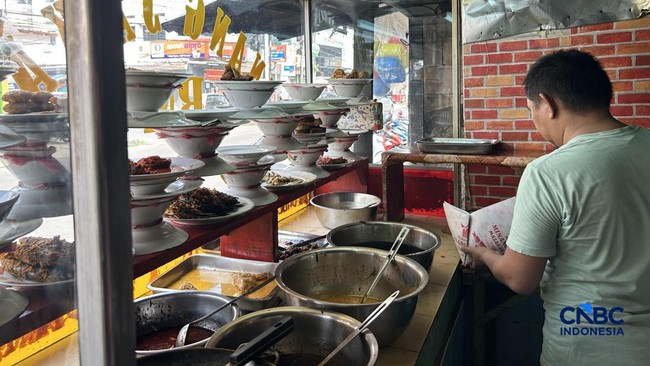
Amidst rising raw material prices that force many traders to find ways to survive, there is an interesting sight almost always found in Padang restaurants.
In one corner of the wall, a photograph of an elderly man wearing a black songkok is usually displayed. For the Minangkabulate people, this figure is no ordinary person, as he is believed to possess supernatural powers. He is Syech Kiramatullah, more commonly known as Ungku Saliah, a charismatic cleric from Padang Pariaman who lived from 1887 to 1974.
According to research titled “Tracing the Footsteps of Tuanku Buya Saliah in Padang Pariaman: An Islamic Archaeological Study” (2022), Ungku Saliah is known as a religious figure who mastered Islamic sciences and led the Syattariyah tariqa in West Sumatra.
However, what makes Ungku Saliah’s name so famous among the community is not just his role as a cleric, but also the various tales of supernatural prowess attached to him.
In the book “The Spirit of Islam During the Indonesian Revolution” (2020), historian Kevin W. Fogg writes that many stories claim Ungku Saliah was able to heal illnesses, ward off magic, break the influence of spells and black magic through prayer, and even predict future events.
One of the most frequently told stories is when he suddenly asked the community to disperse from the market because rain was about to fall. At that time, the weather was clear and it was not the rainy season. Later, the “rain” he referred to turned out not to be water from the sky, but a Dutch aerial attack that bombarded the market area.
These various stories continue to spread by word of mouth, making the figure of Ungku Saliah increasingly respected. After his passing, stories about him actually expanded even further.
According to research titled “Between the Myth of ‘Ungku Saliah’ and ‘Haji Saleh Enters Hell’” (2009), these stories eventually evolved into myths within the Pariaman community.
The photograph of Ungku Saliah is believed to bring blessings, act as a ward against misfortune, and serve as a charm to attract customers. Based on this, his photo is widely hung in homes, stalls, ‘lapau’ (small shops), and various businesses owned by Minangkabau migrants, such as Padang restaurants, satay carts, and souvenir shops.
“What is highlighted from the photo is that Ungku Saliah is sacred, powerful, and his prayers are answered; through his prayers, business can become prosperous and it also serves as a ward against misfortune,” the study notes.
For this reason, the photograph of Ungku Saliah can still be easily found in many Padang restaurants today. For some, it is simply a form of respect for a great Minangkabau cleric. However, for others, the photograph is a symbol of hope that their business will remain busy, avoid disaster, and always receive blessings.